— Ideas & inspiration
Beach composition
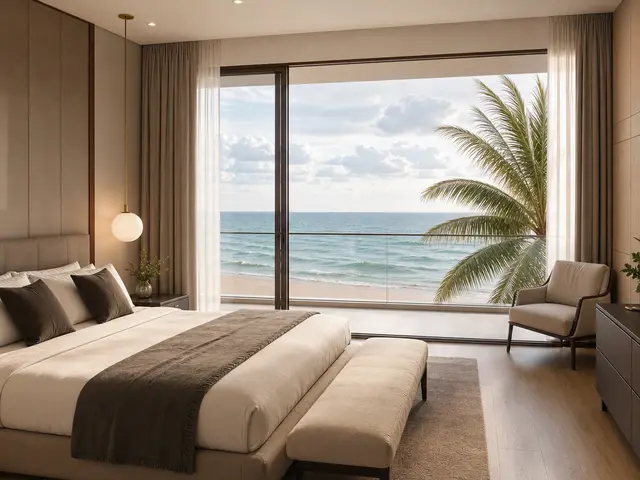
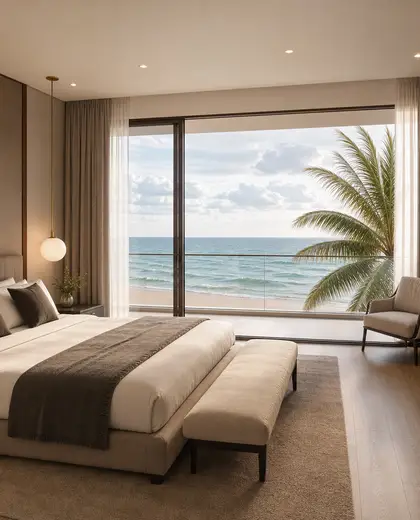
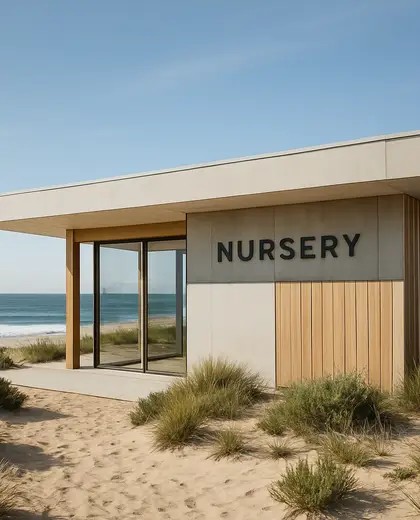
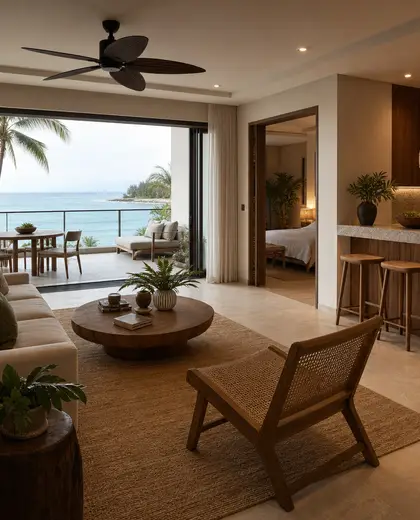
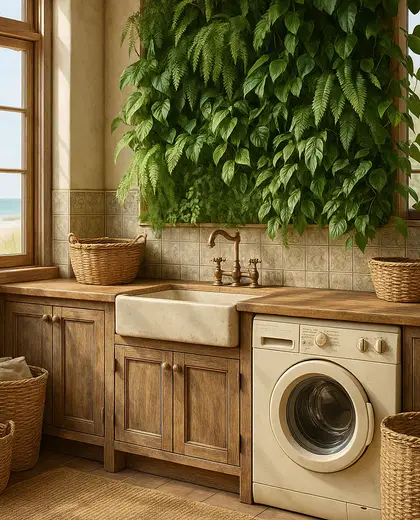
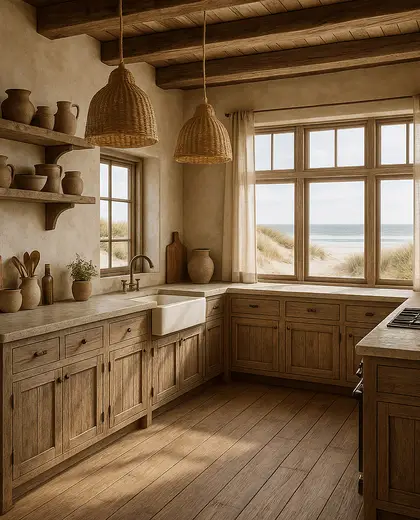
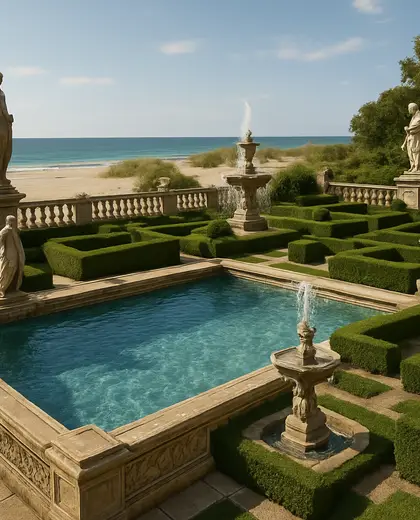
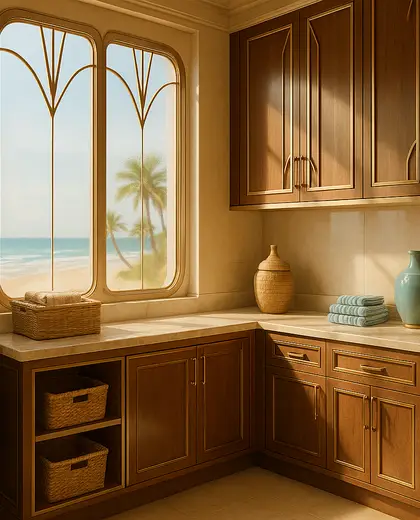
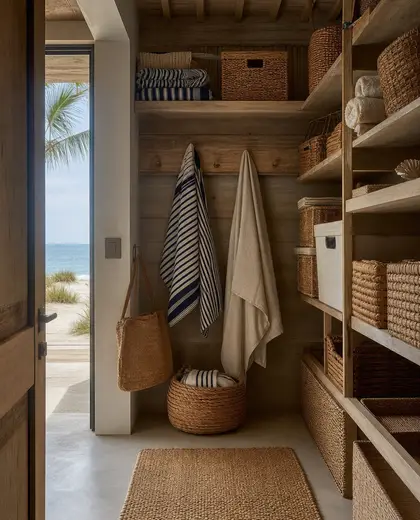
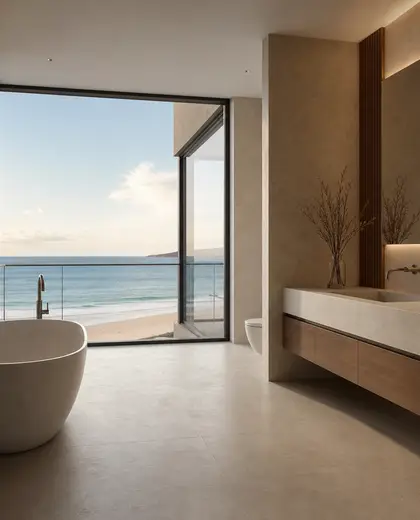
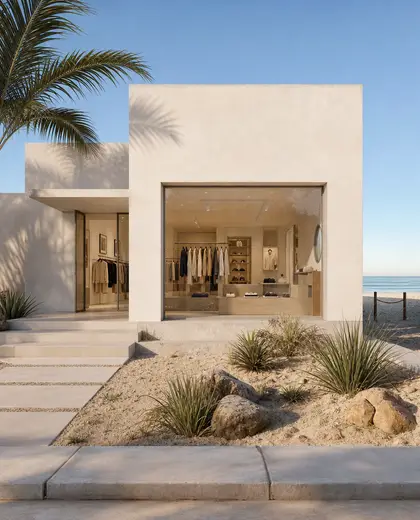
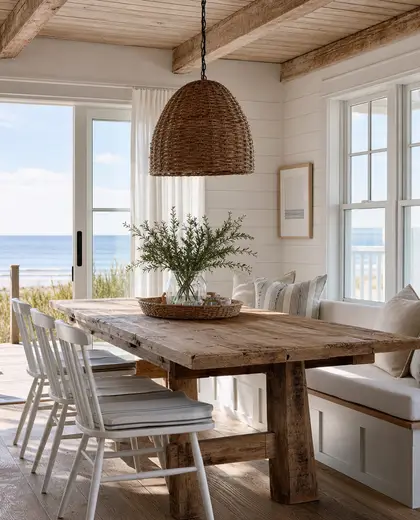
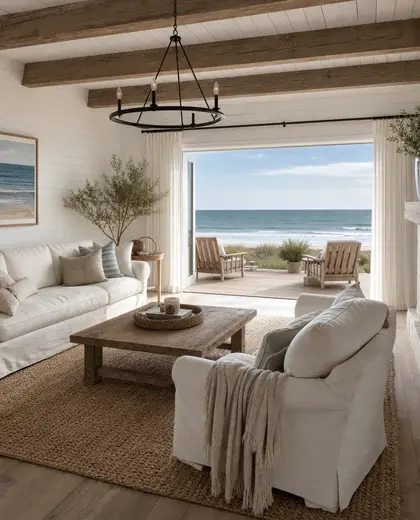
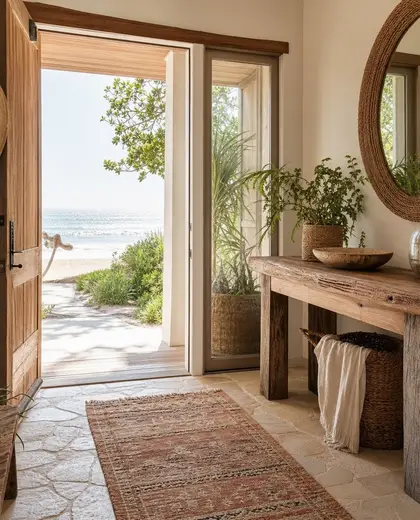
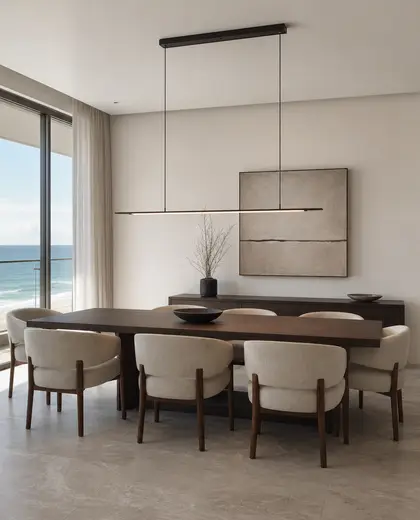
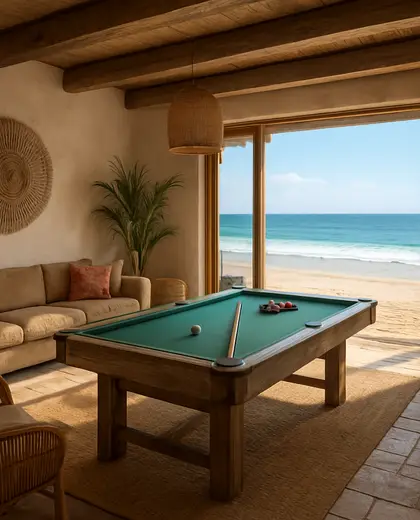
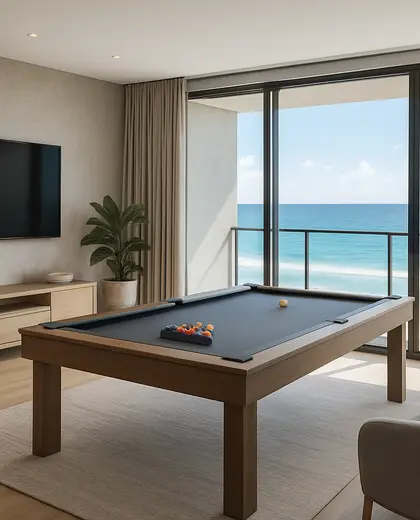
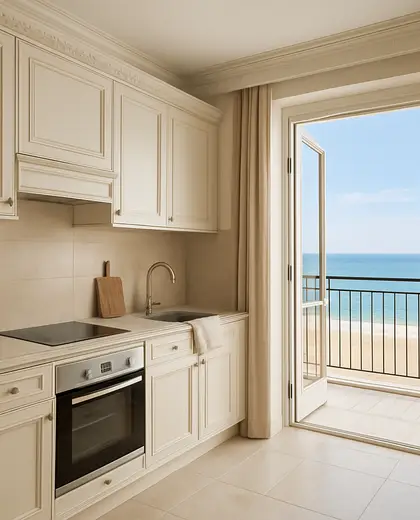
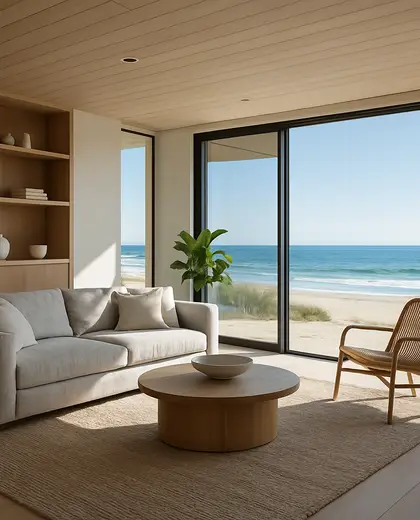
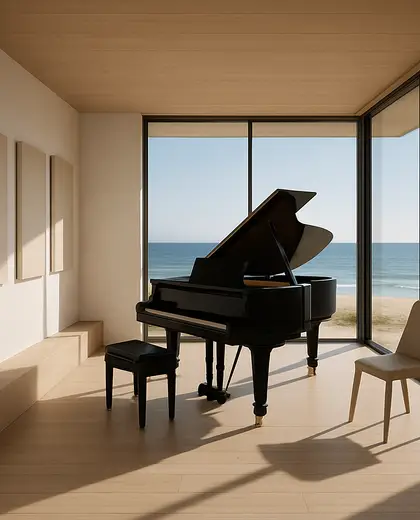
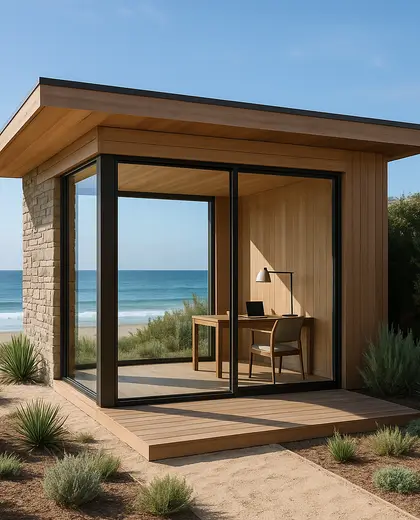
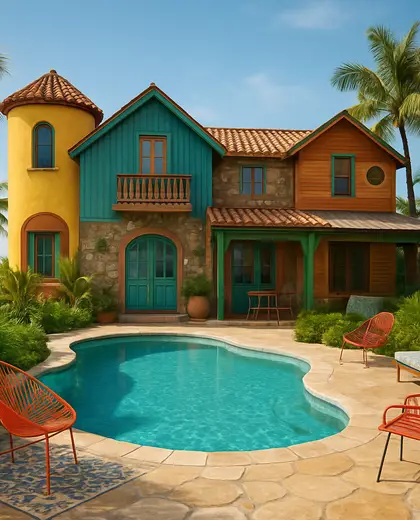
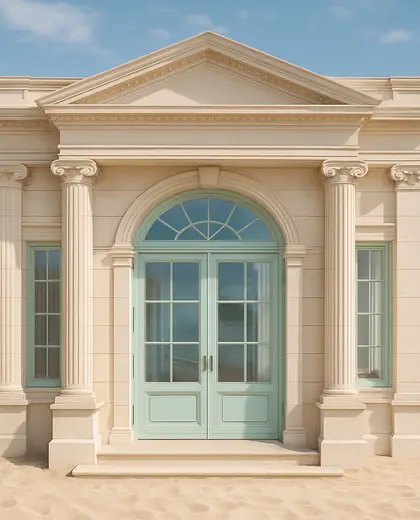
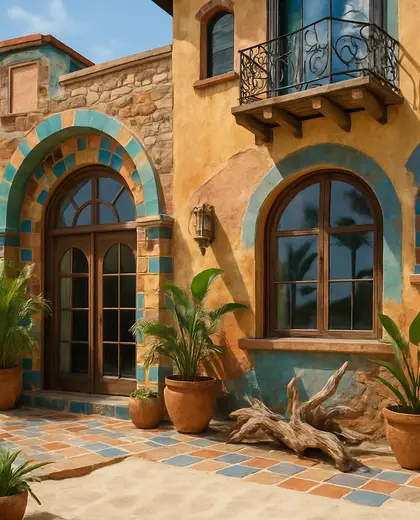
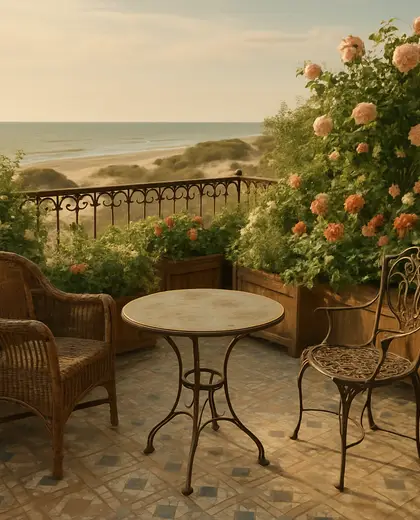
A beach composition uses light, weathered materials such as limewashed plaster, bleached wood, linen, rattan, and stone with a relaxed, airy finish. The palette stays soft and sun-faded, built from white, sand, driftwood, pale blue, and warm beige. It is defined by open light, low-contrast surfaces, and simple forms that feel calm and coastal rather than decorative.
- beach
— References
References to explore
Is a beach composition the same as a nautical style?
No. Beach compositions are usually softer and more natural, while nautical styles often rely on stronger blue-and-white contrast and maritime motifs.
What flooring suits this composition best?
Light oak, whitewashed wood, matte stone, or sand-toned microcement work well because they keep the space bright and understated.
Can I use dark colors in a beach interior?
Yes, but sparingly. A few deeper accents in charcoal, navy, or dark timber can add depth if the overall scheme stays light and natural.
— The style
What defines it
Limewash, oak or teak, linen, woven fibers, ceramic, and honed stone.
White, sand, shell, pale blue, taupe, and soft gray with muted contrasts.
Works well with natural light, indoor-outdoor layouts, timber details, and minimal furniture.
— Professionals
Who has already built it
- Karavaan Homefurniture sellers · High Point · 4 projectsView profile →
- todd verwers architectsarchitects · San Diego · 6 projectsView profile →
- jacob galleslandscape designers · 6 projectsView profile →
- pfuner designinterior designers · 11 projectsView profile →
— Questions
Frequently asked questions
Is a beach composition the same as a nautical style?
No. Beach compositions are usually softer and more natural, while nautical styles often rely on stronger blue-and-white contrast and maritime motifs.
What flooring suits this composition best?
Light oak, whitewashed wood, matte stone, or sand-toned microcement work well because they keep the space bright and understated.
Can I use dark colors in a beach interior?
Yes, but sparingly. A few deeper accents in charcoal, navy, or dark timber can add depth if the overall scheme stays light and natural.