— Ideas & inspiration
Bohemian composition
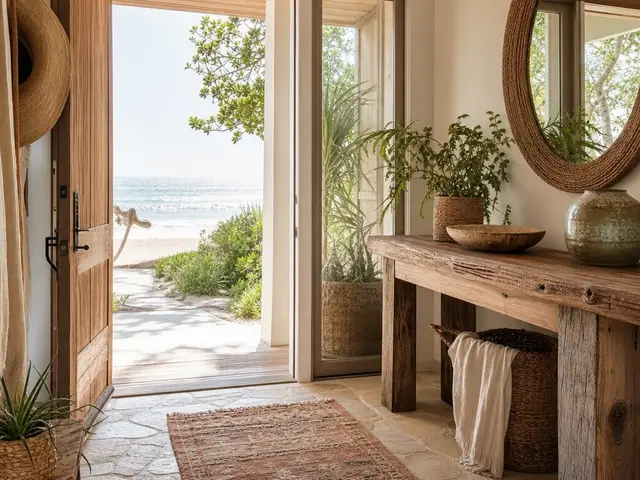
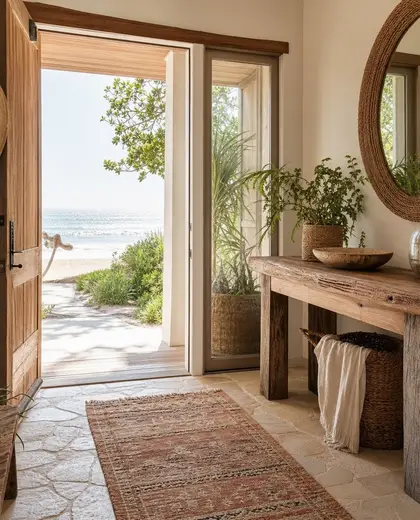
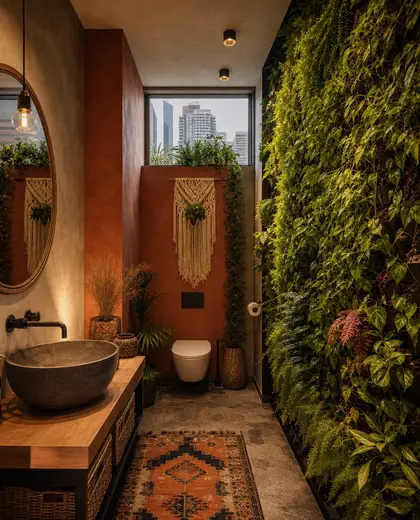
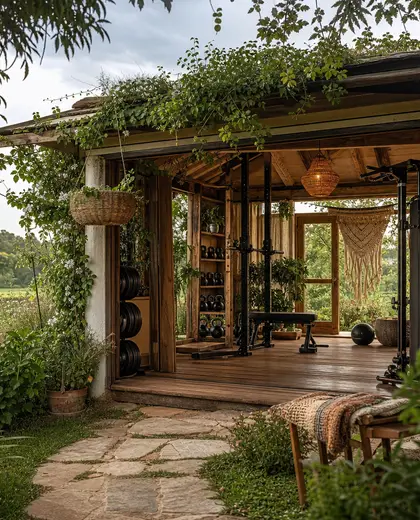
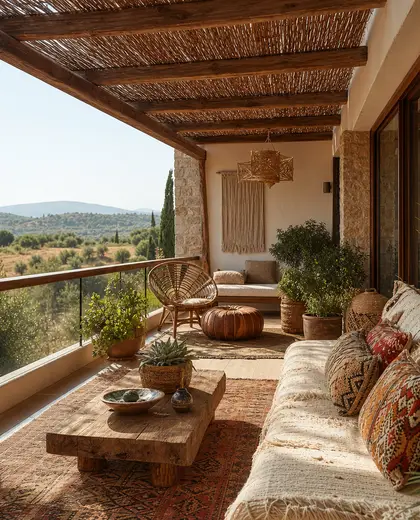
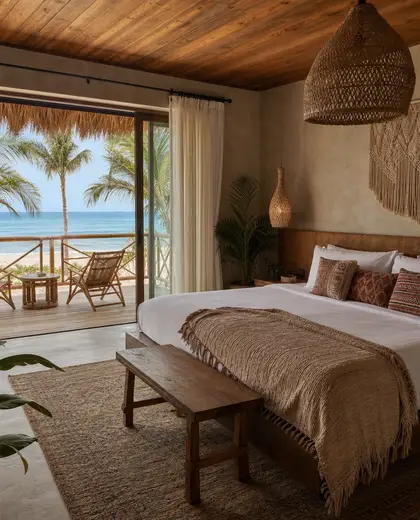
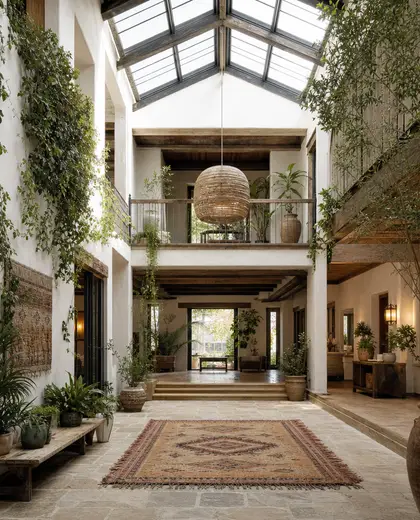
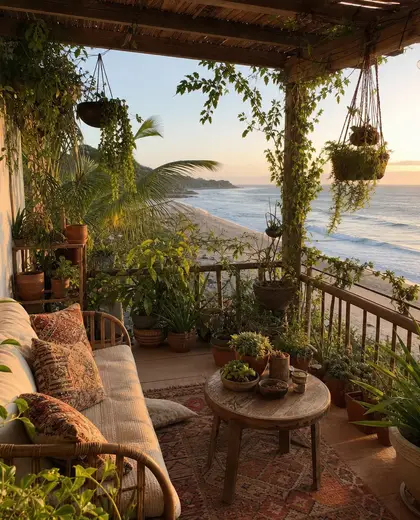
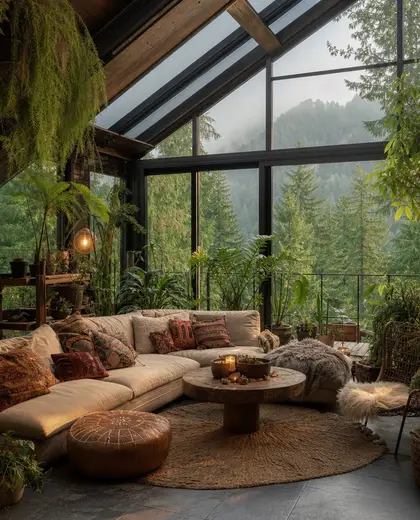
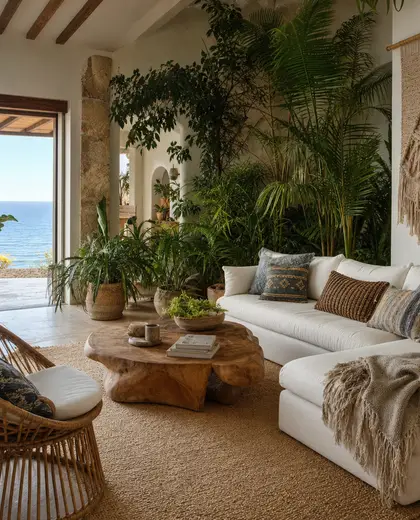
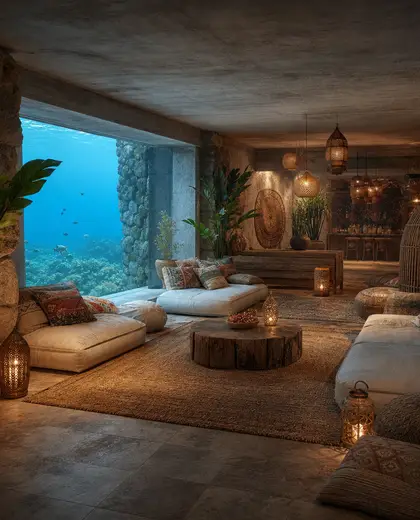
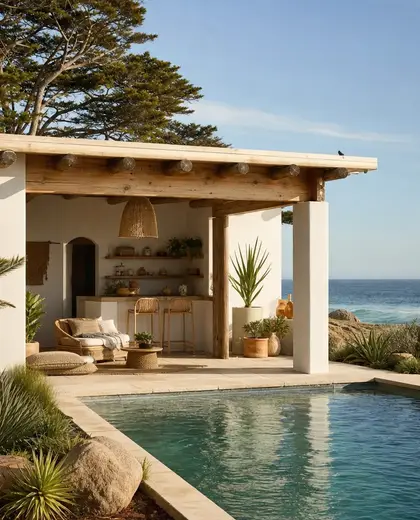
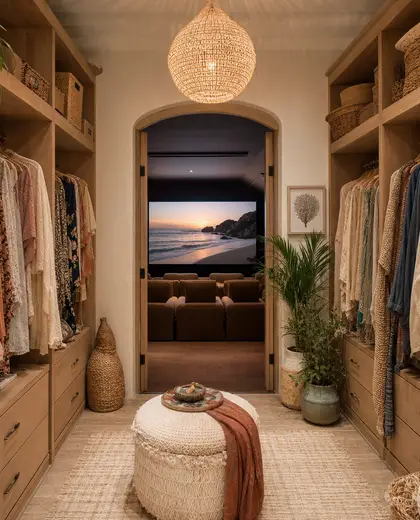
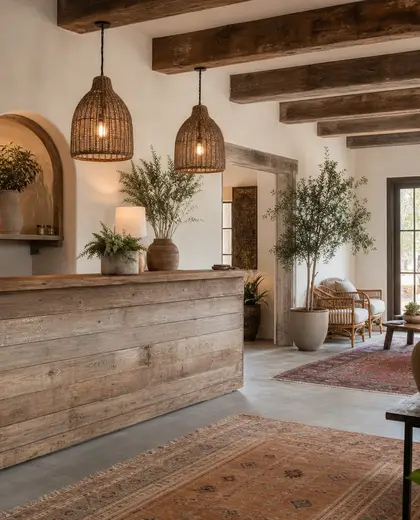
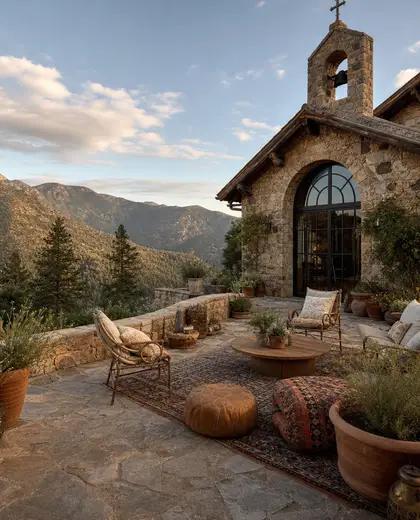
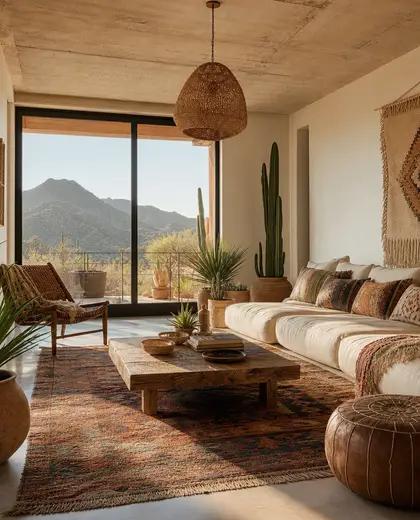
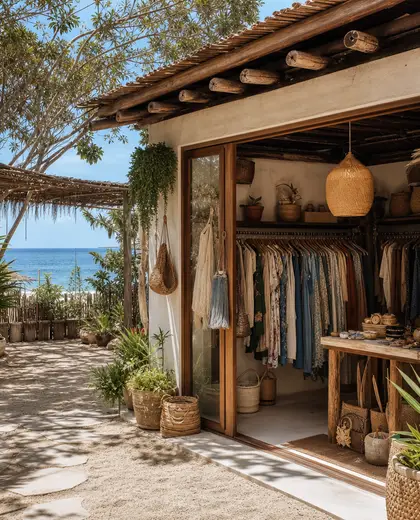
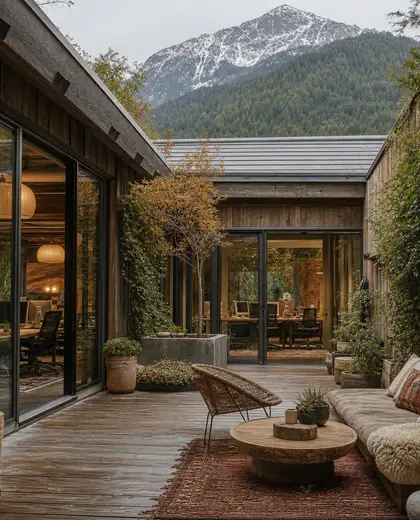
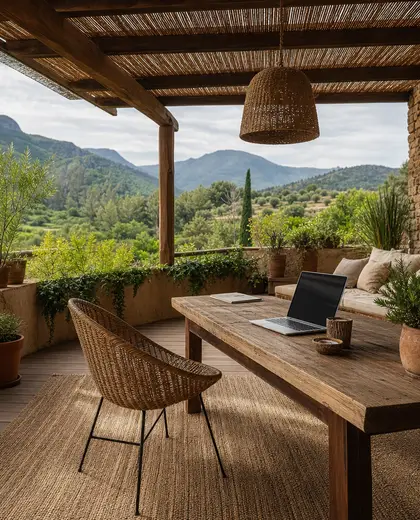
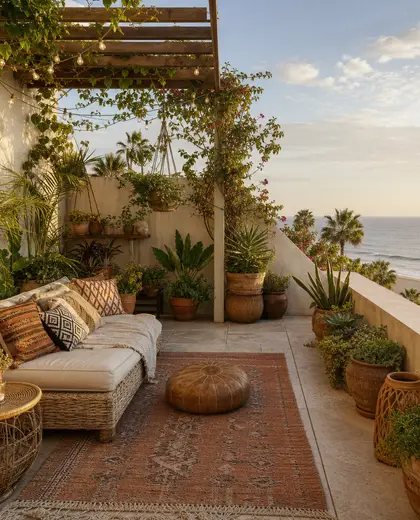
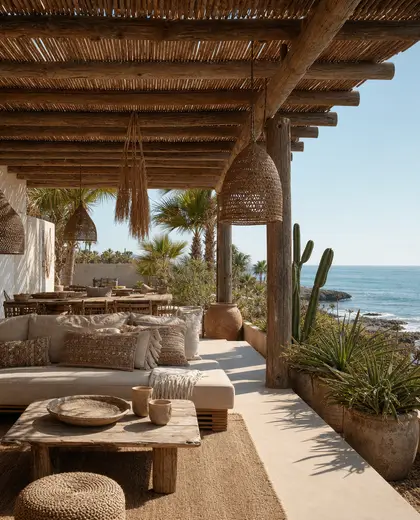
Bohemian composition is defined by layered natural materials, mixed textures, and an intentionally collected look. Common elements include rattan, wicker, carved wood, linen, cotton, jute, patterned textiles, and plants, usually in warm, earthy, sun-washed tones with accents of rust, ochre, terracotta, and faded jewel colors. It often includes low seating, vintage or handmade pieces, and visible personal objects rather than a highly matched set.
- bohemian
— References
References to explore
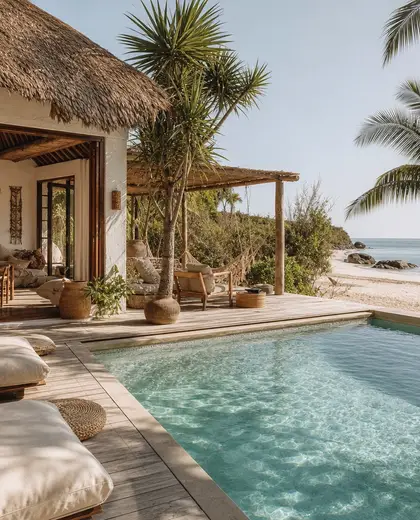
Is bohemian style always colorful?
No. Many bohemian interiors use a restrained neutral base and add color through textiles, art, and accessories.
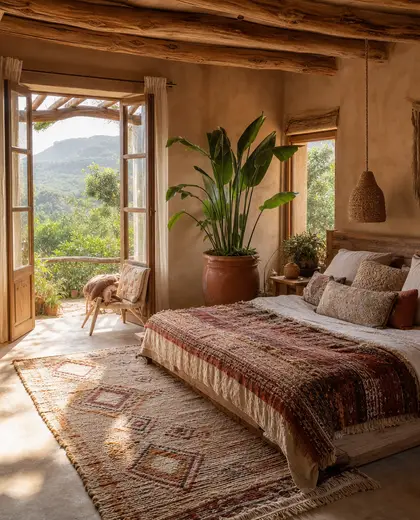
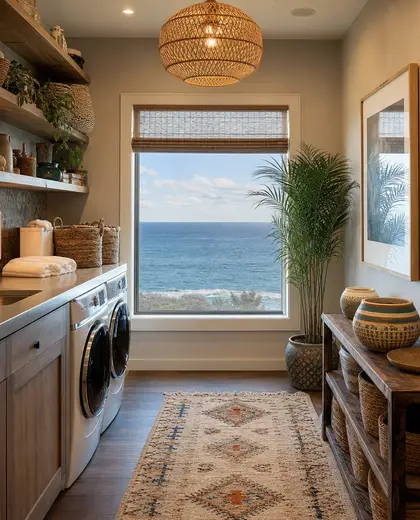
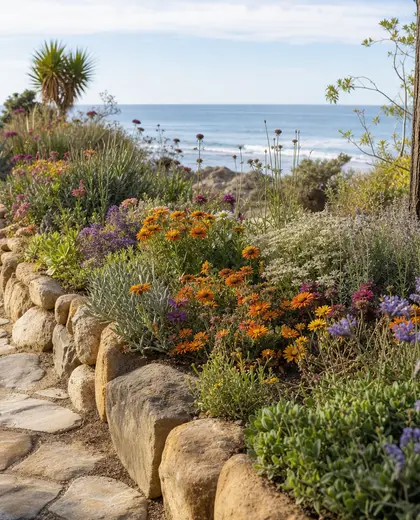
Does bohemian design require a lot of pattern?
Pattern is common, but it is not mandatory. You can get the look with texture, natural materials, and a few patterned layers instead of many busy prints.
Can bohemian work in a small home?
Yes, if you edit carefully. Use a limited palette, keep furniture visually light, and add character with textiles, plants, and a few handmade objects.
— The style
What defines it
Rattan, wicker, cane, wood, linen, cotton, wool, jute, ceramics, and handcrafted details are typical.
Warm neutrals, sand, cream, tan, and brown are often paired with terracotta, olive, mustard, rust, and muted jewel tones.
Works well with rustic, eclectic, coastal, mid-century, and modern interiors when you want a softer, more layered feel.
— Professionals
Who has already built it
- Karavaan Homefurniture sellers · High Point · 4 projectsView profile →
- todd verwers architectsarchitects · San Diego · 6 projectsView profile →
- jacob galleslandscape designers · 6 projectsView profile →
- pfuner designinterior designers · 11 projectsView profile →
— Questions
Frequently asked questions
Is bohemian style always colorful?
No. Many bohemian interiors use a restrained neutral base and add color through textiles, art, and accessories.
Does bohemian design require a lot of pattern?
Pattern is common, but it is not mandatory. You can get the look with texture, natural materials, and a few patterned layers instead of many busy prints.
Can bohemian work in a small home?
Yes, if you edit carefully. Use a limited palette, keep furniture visually light, and add character with textiles, plants, and a few handmade objects.