— Ideas & inspiration
Coastal composition
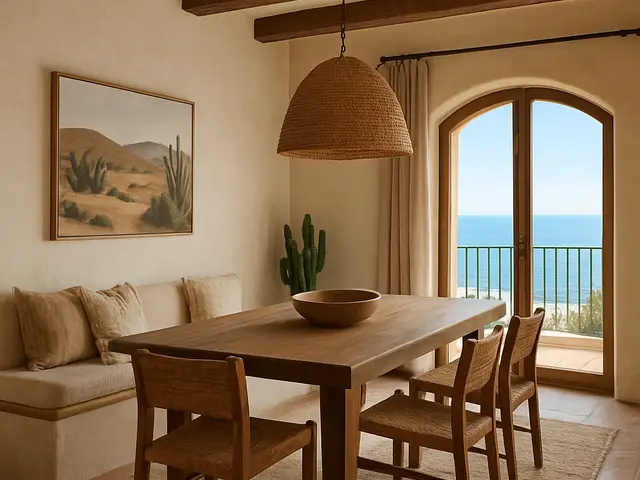
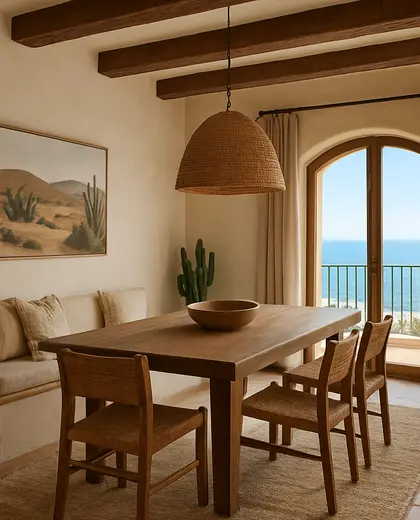
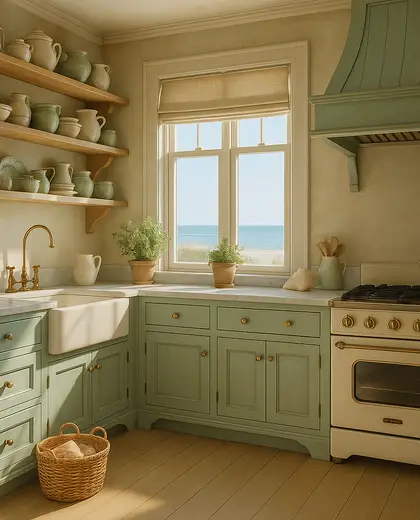
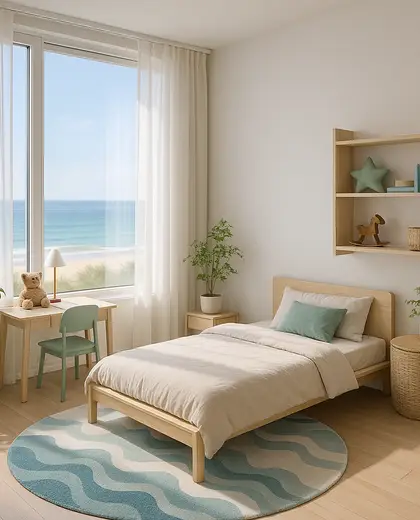
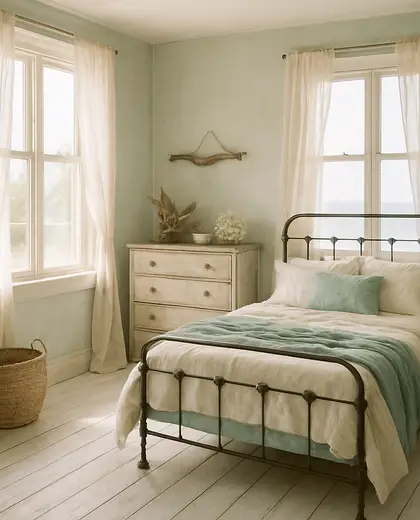
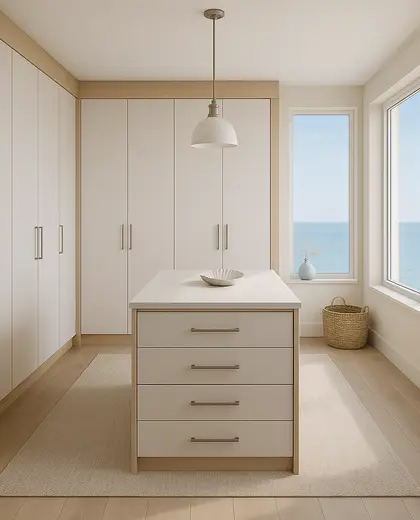
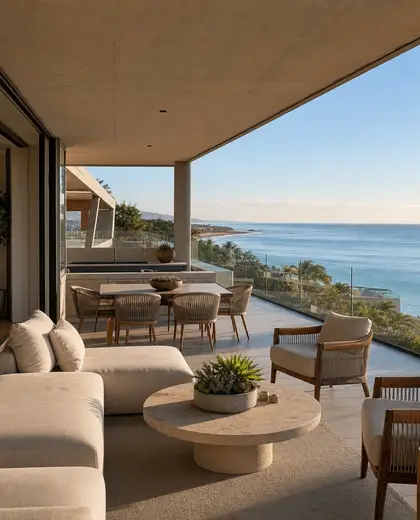
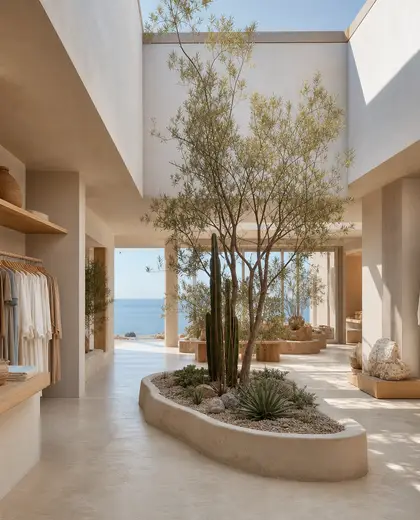
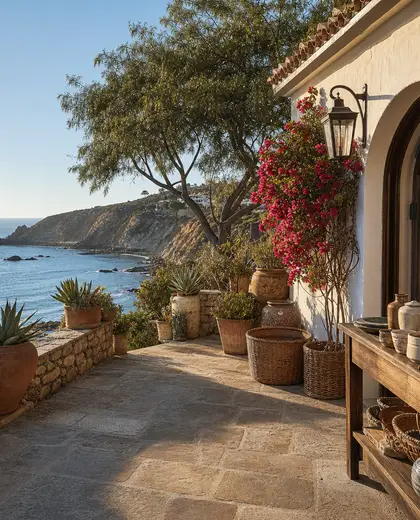
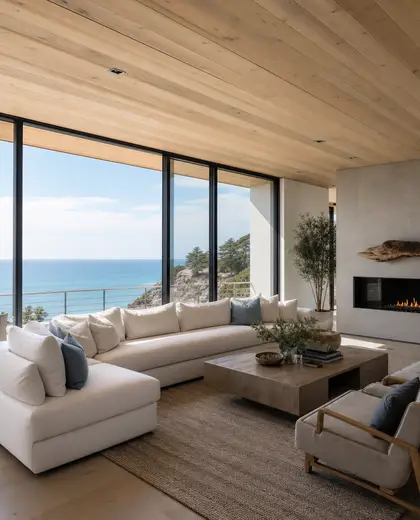
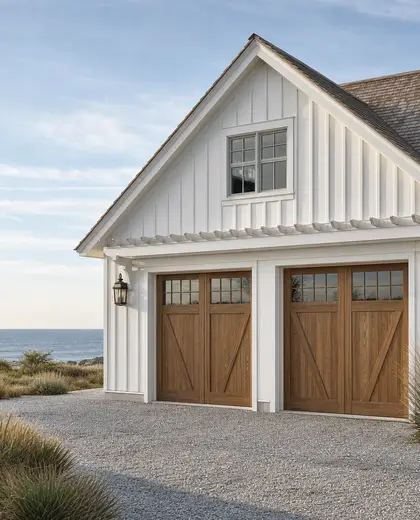
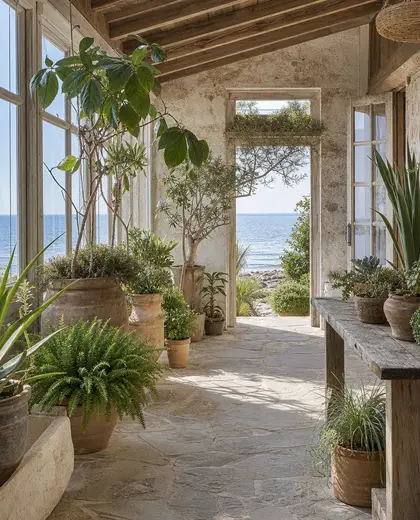
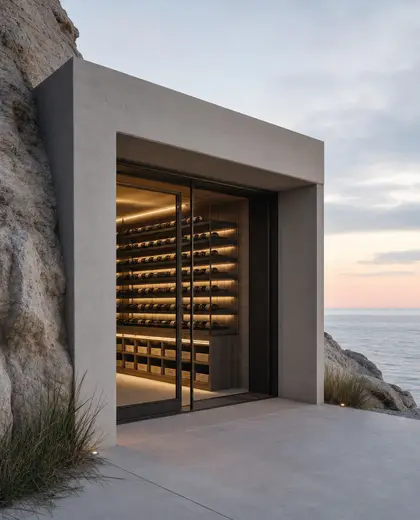
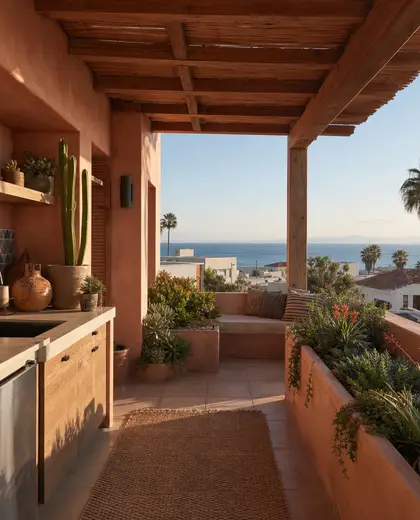
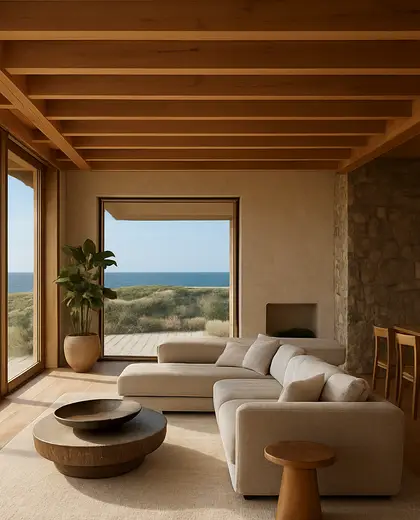
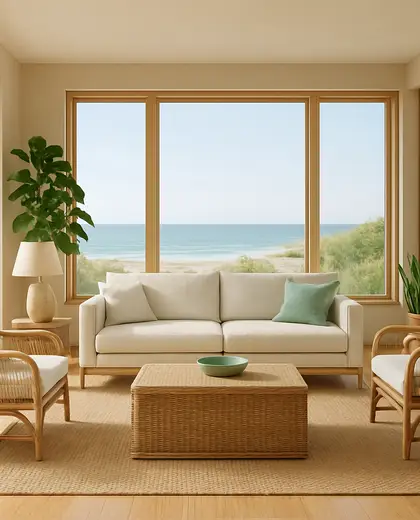
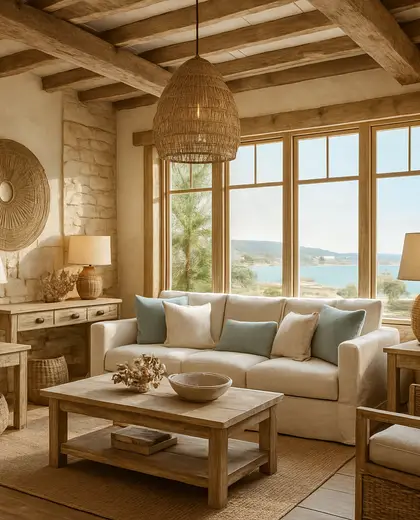
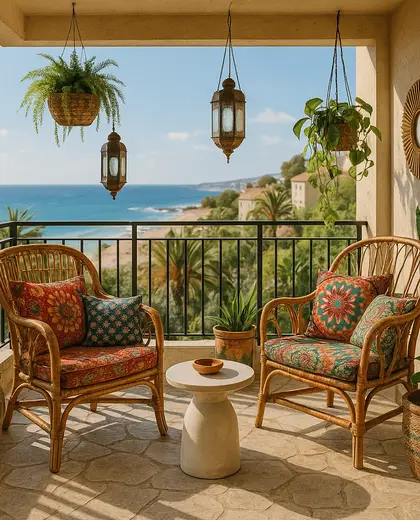
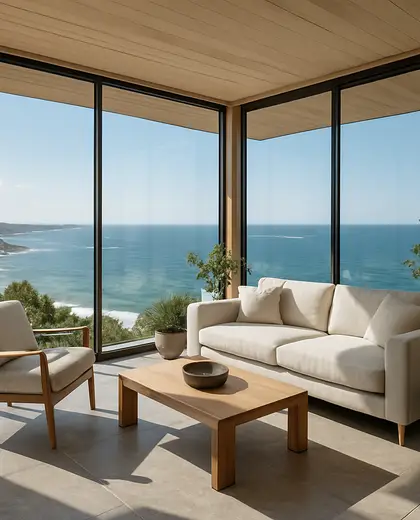
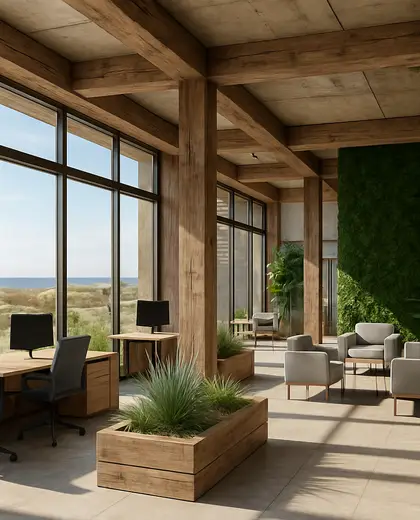
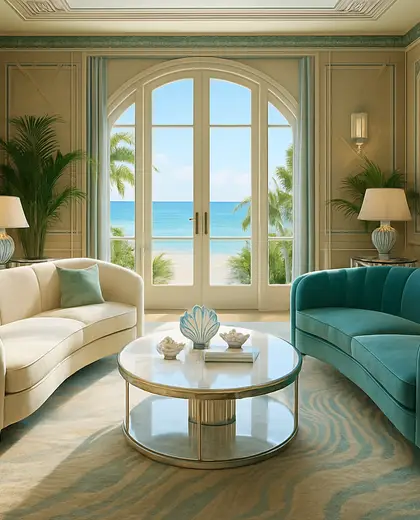
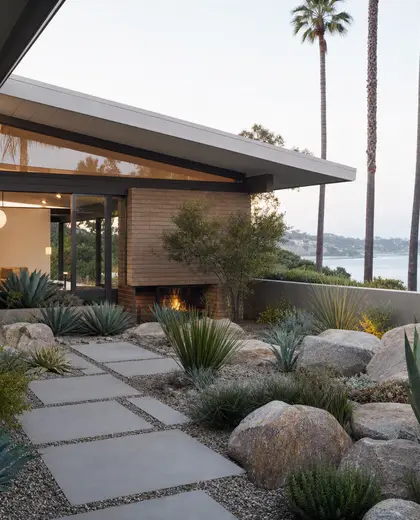
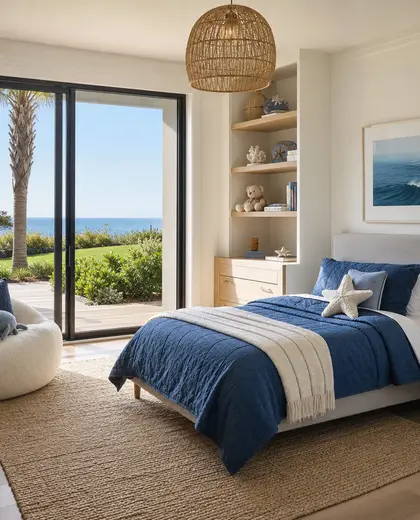
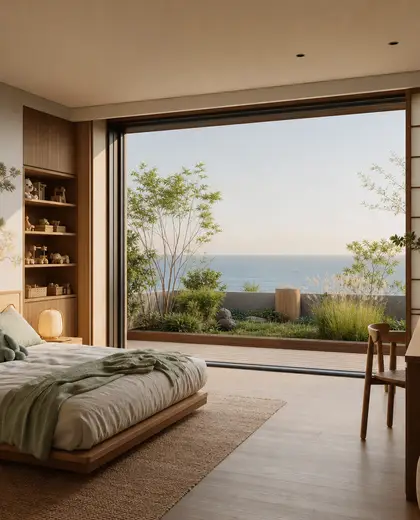
A coastal composition uses light, weathered materials such as painted wood, linen, rattan, stone, and glass. The palette stays airy and sun-faded, with white, sand, soft blue, sea green, and driftwood tones. It often includes relaxed, open layouts, woven textures, and details that feel shaped by light, wind, and salt air.
- coastal
— References
References to explore
Does coastal style have to be blue and white?
No. Blue and white are common, but coastal can also use sand, ivory, gray, sage, and weathered wood tones if the overall feel stays light and airy.
Can coastal interiors feel modern instead of casual?
Yes. Keep the materials simple, the lines clean, and the palette restrained. Modern coastal usually reduces nautical accents and relies more on texture and light.
What should I avoid if I want a true coastal look?
Avoid overly dark finishes, heavy ornate furniture, and too many literal sea-themed decorations. The look works best when it feels natural, relaxed, and unforced.

— The style
What defines it
Whitewashed wood, natural fibers, linen, rattan, jute, stone, and clear or frosted glass.
Bright neutrals with muted blues, pale greens, beige, and soft gray; contrast is usually kept low.
Works well with contemporary, Scandinavian, Mediterranean, and relaxed farmhouse elements.
— Professionals
Who has already built it
- john allegrettiarchitects · 6 projectsView profile →
- pfuner designinterior designers · 11 projectsView profile →
- Karavaan Homefurniture sellers · High Point · 4 projectsView profile →
- jacob galleslandscape designers · 6 projectsView profile →
— Questions
Frequently asked questions
Does coastal style have to be blue and white?
No. Blue and white are common, but coastal can also use sand, ivory, gray, sage, and weathered wood tones if the overall feel stays light and airy.
Can coastal interiors feel modern instead of casual?
Yes. Keep the materials simple, the lines clean, and the palette restrained. Modern coastal usually reduces nautical accents and relies more on texture and light.
What should I avoid if I want a true coastal look?
Avoid overly dark finishes, heavy ornate furniture, and too many literal sea-themed decorations. The look works best when it feels natural, relaxed, and unforced.