— Ideas & inspiration
Desert composition
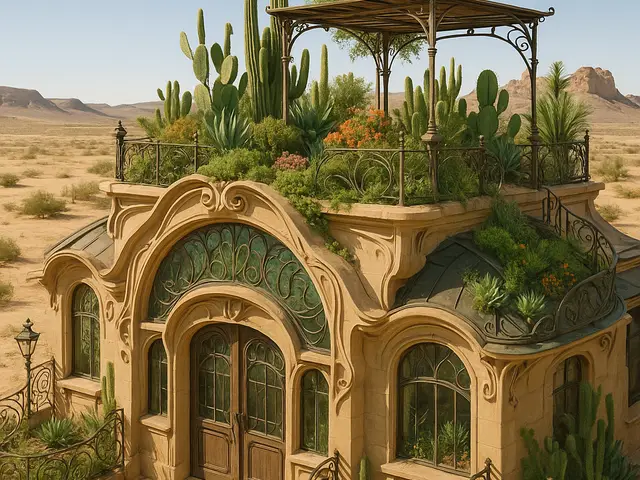
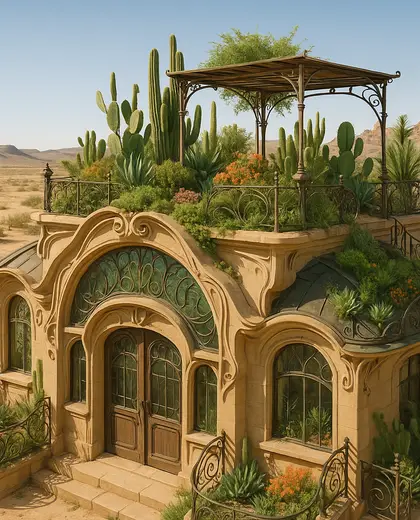
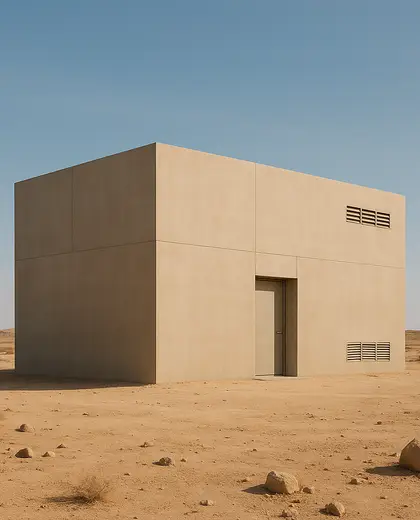
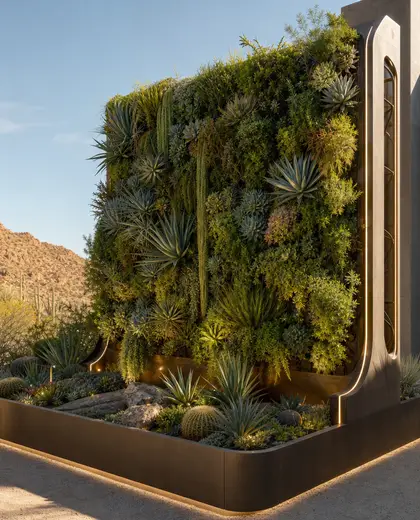
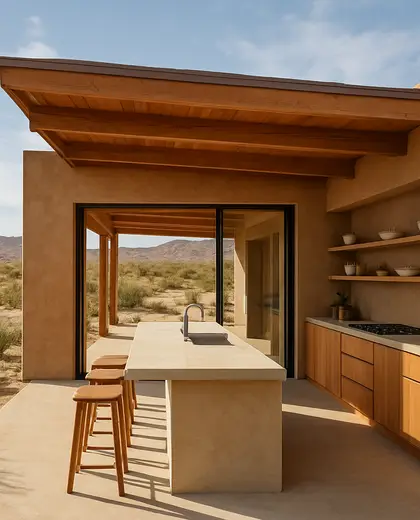
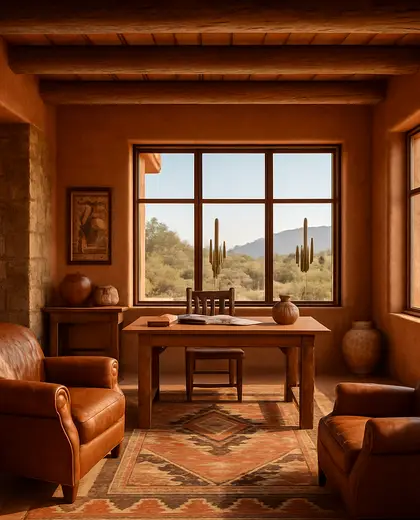
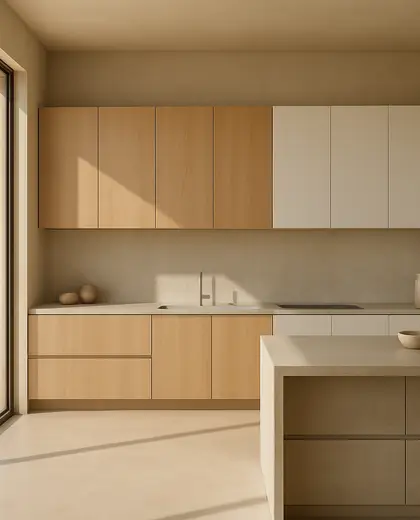
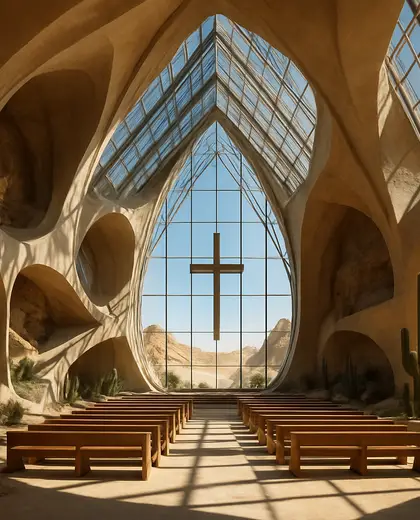
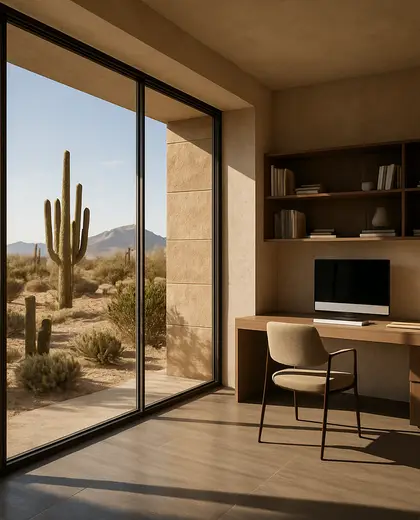
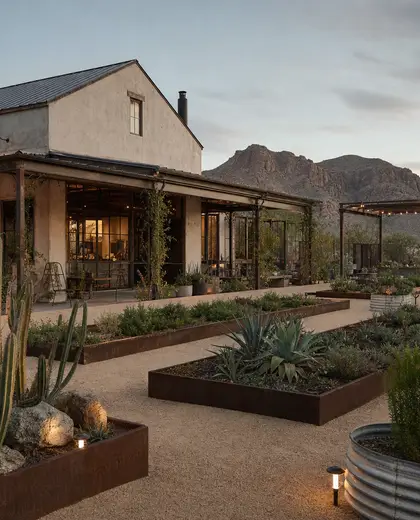
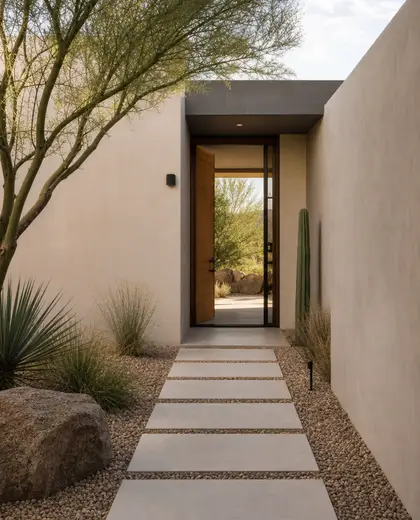
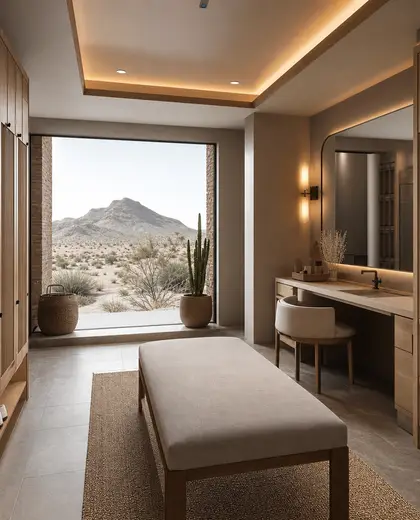
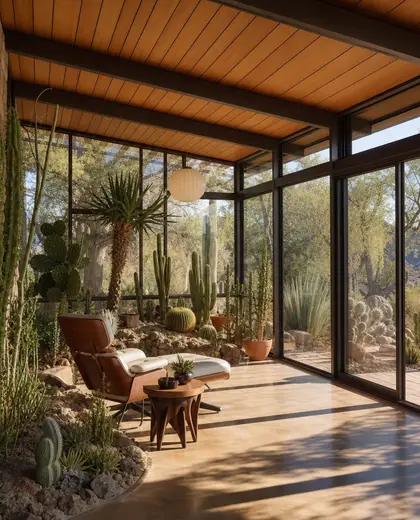
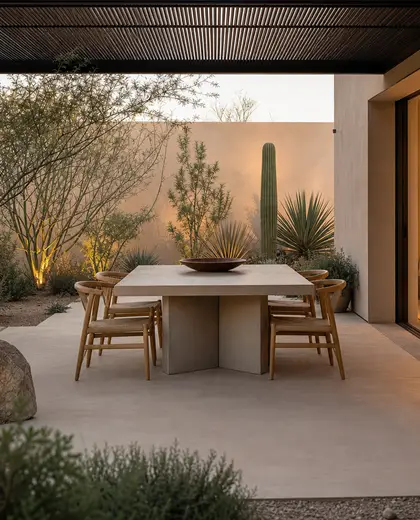
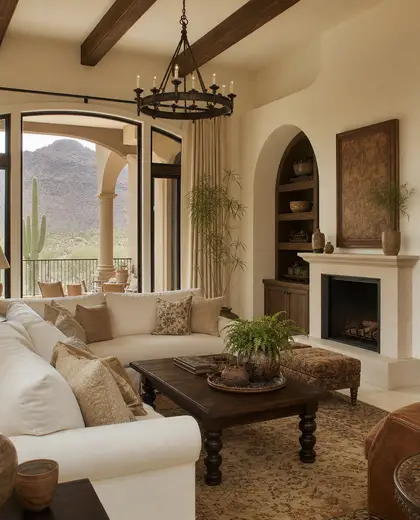
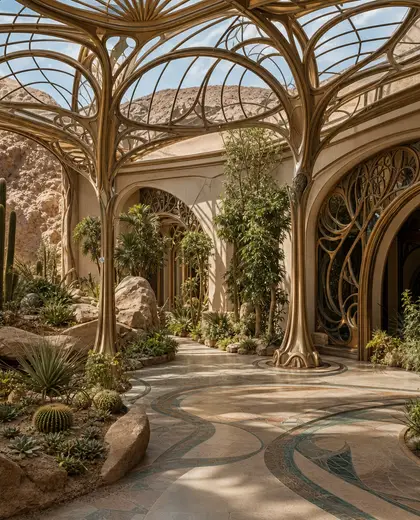
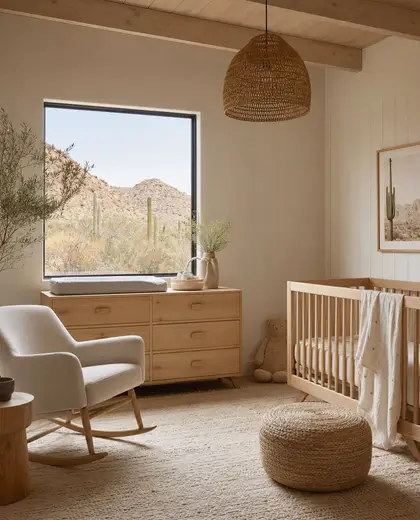
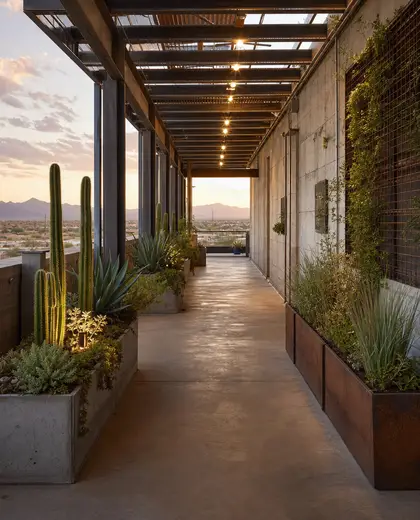
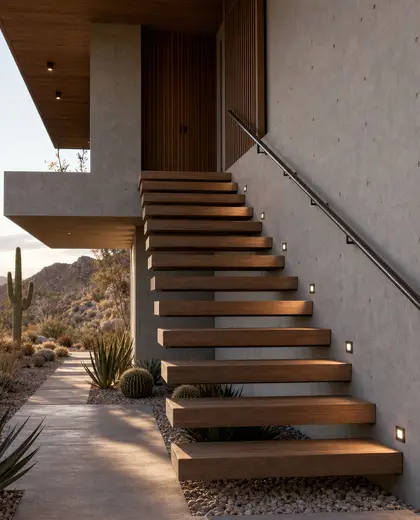
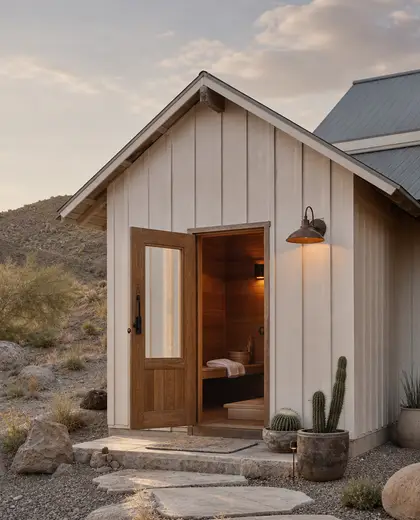
Desert composition is defined by sun-washed materials, low-contrast finishes, and a grounded, tactile feel. It typically uses plaster, stone, clay, wood, linen, and leather in warm neutral tones such as sand, ochre, terracotta, taupe, and faded brown. The look often includes soft curves, minimal detailing, and a strong connection to light, shade, and natural texture.
- desert
— References
References to explore
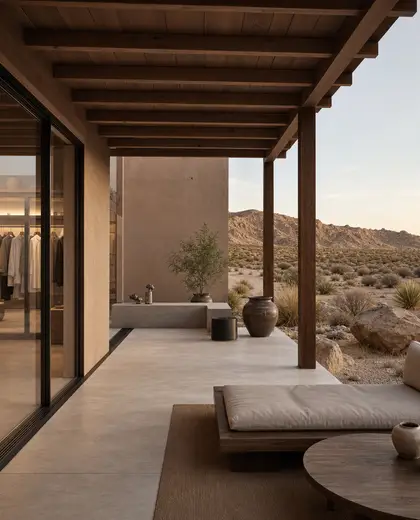
Is desert composition only for warm climates?
No. The style is inspired by arid landscapes, but it can work anywhere if you use balanced light, breathable materials, and enough softness in the furnishings.
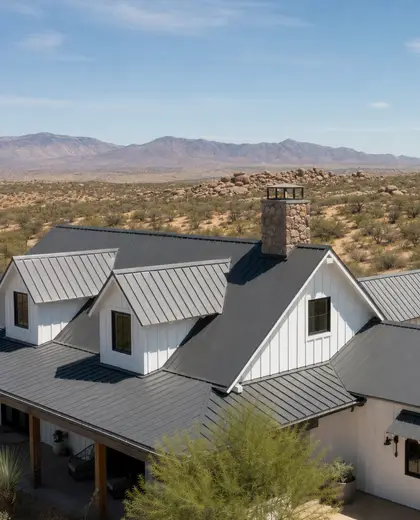
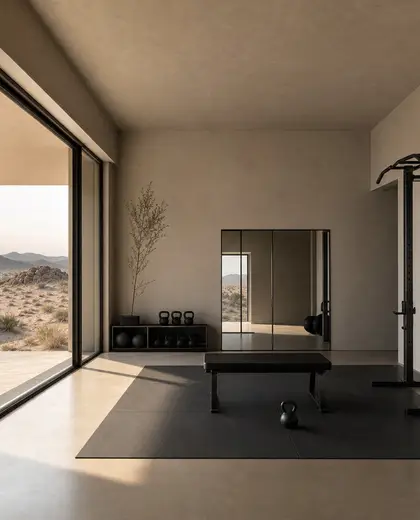
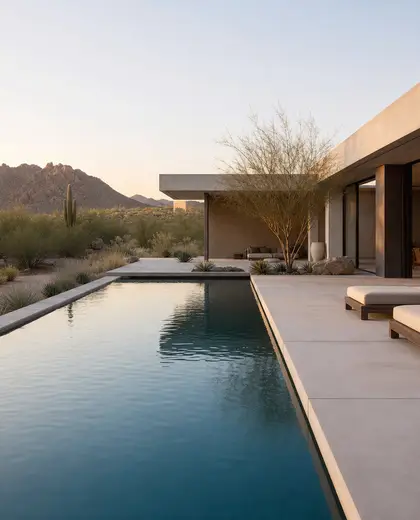
Does it have to look rustic?
Not necessarily. It can be more refined and contemporary when the palette stays restrained and the forms are simple, with texture coming from materials rather than decoration.
What should I avoid if I want this look?
Avoid glossy surfaces, very cool color palettes, and overly ornate details. Heavy contrast and too many competing finishes can break the calm, weathered character of the composition.
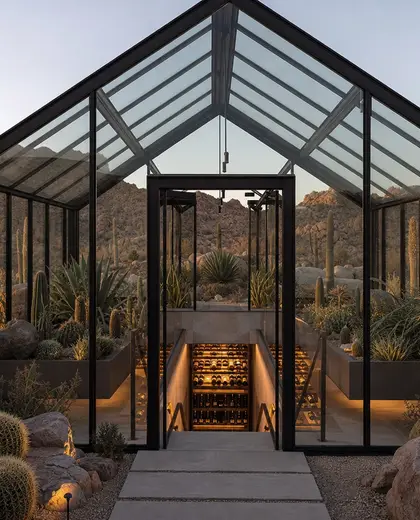
— The style
What defines it
Plaster, adobe-inspired finishes, limestone, clay tile, oak, rattan, linen, and leather are common.
Warm neutrals dominate: sand, beige, bone, terracotta, rust, camel, and muted gray-brown.
It pairs well with Mediterranean, organic modern, rustic, wabi-sabi, and minimalist interiors.
— Professionals
Who has already built it
- Karavaan Homefurniture sellers · High Point · 4 projectsView profile →
- todd verwers architectsarchitects · San Diego · 6 projectsView profile →
- jacob galleslandscape designers · 6 projectsView profile →
- pfuner designinterior designers · 11 projectsView profile →
— Questions
Frequently asked questions
Is desert composition only for warm climates?
No. The style is inspired by arid landscapes, but it can work anywhere if you use balanced light, breathable materials, and enough softness in the furnishings.
Does it have to look rustic?
Not necessarily. It can be more refined and contemporary when the palette stays restrained and the forms are simple, with texture coming from materials rather than decoration.
What should I avoid if I want this look?
Avoid glossy surfaces, very cool color palettes, and overly ornate details. Heavy contrast and too many competing finishes can break the calm, weathered character of the composition.