— Ideas & inspiration
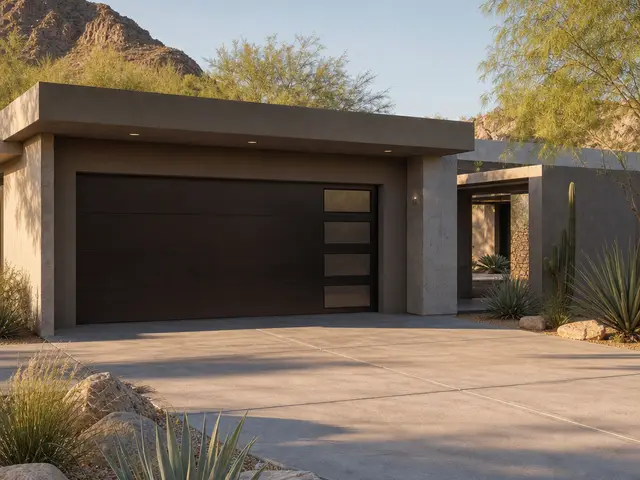
Garage spaces with a refined architectural edge
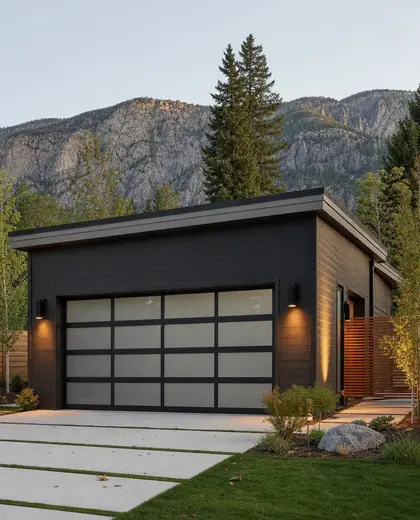
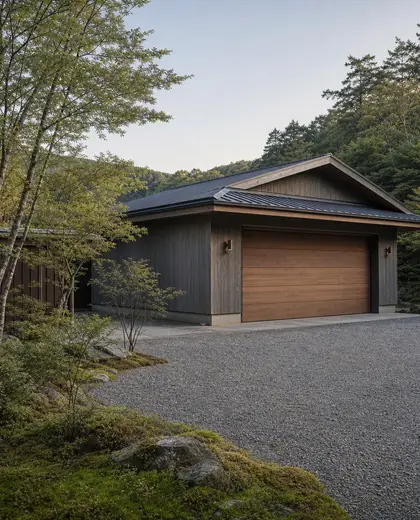
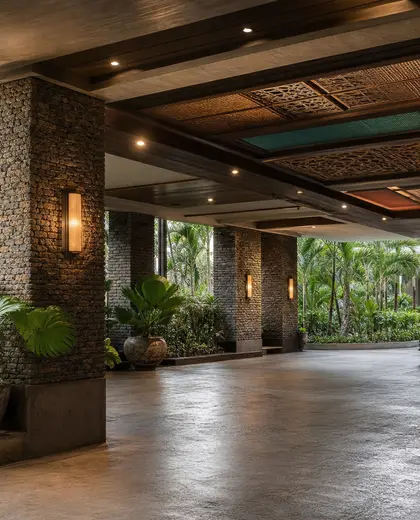
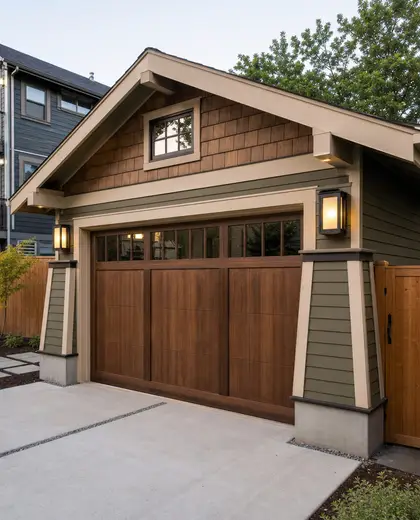
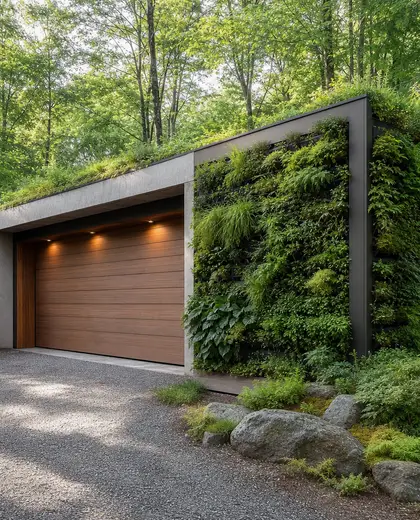
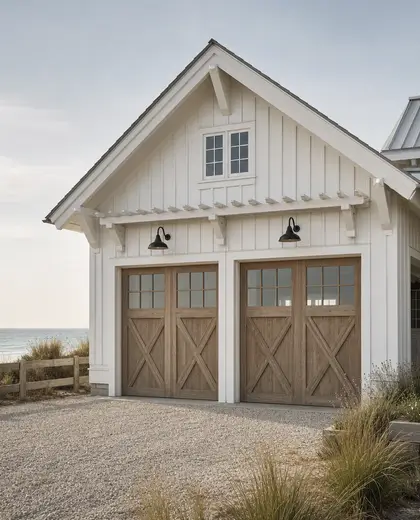
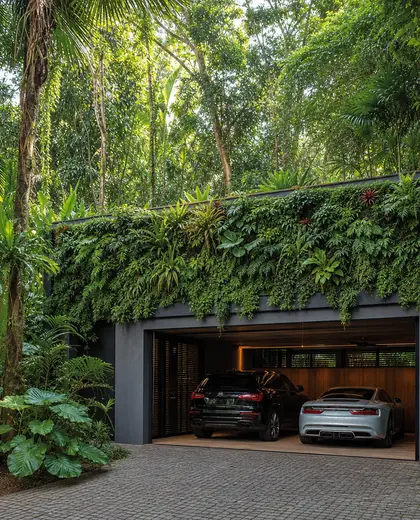
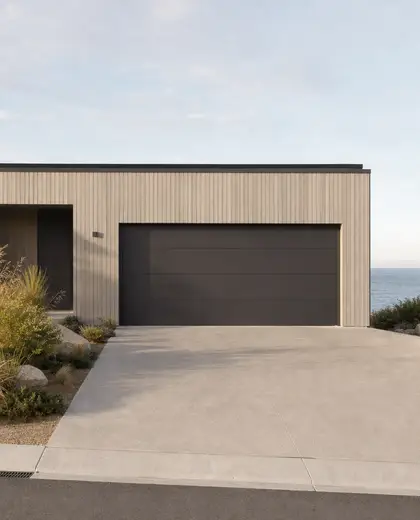
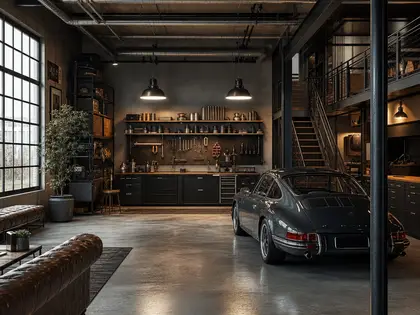
This composition is defined by a practical enclosed bay shaped with durable materials such as concrete, steel, brick, timber, or ribbed metal cladding. The palette is usually restrained: grays, charcoals, off-whites, and natural wood tones, with the garage door often becoming the main visual element. It combines storage, vehicle access, and sometimes a workshop or utility zone within a clean, functional envelope.
- garage
— References
References to explore
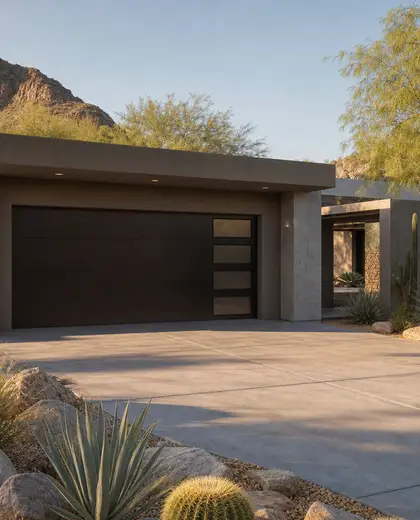
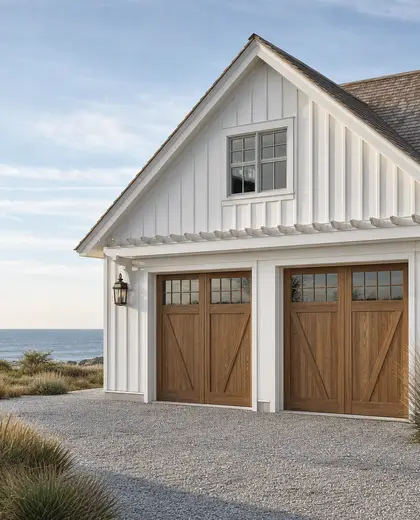
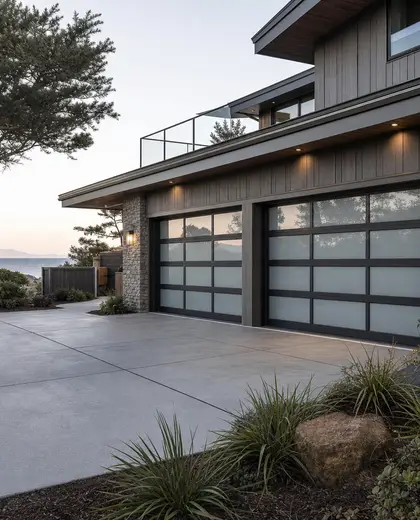
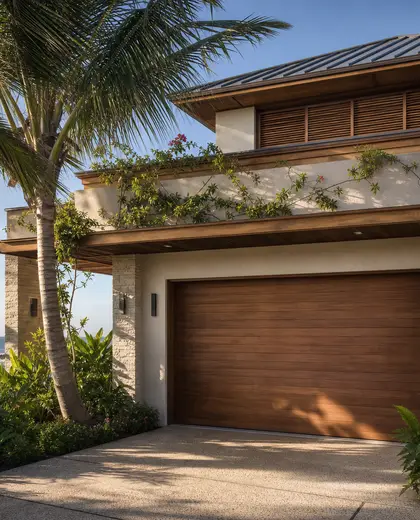
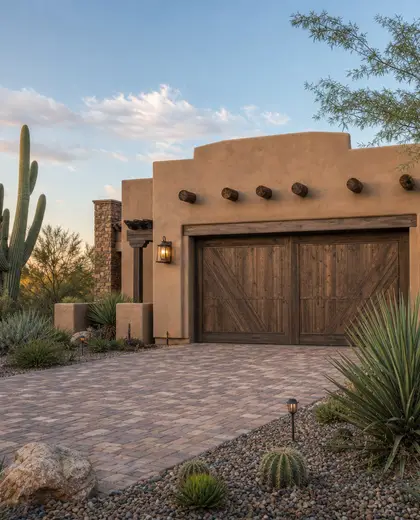
What makes a garage feel architectural rather than purely utilitarian?
Clear proportions, a considered door design, and materials that match or complement the main house make the garage feel intentional rather than separate.
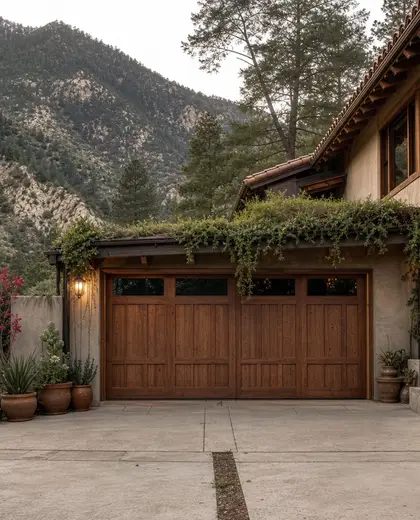
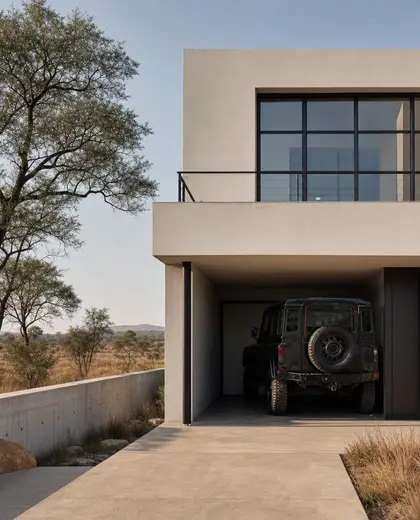
Can a garage use warmer materials without losing its practical look?
Yes. Wood slats, timber accents, or warm masonry can soften the exterior while keeping the garage durable and functional.
Should the garage match the house exactly?
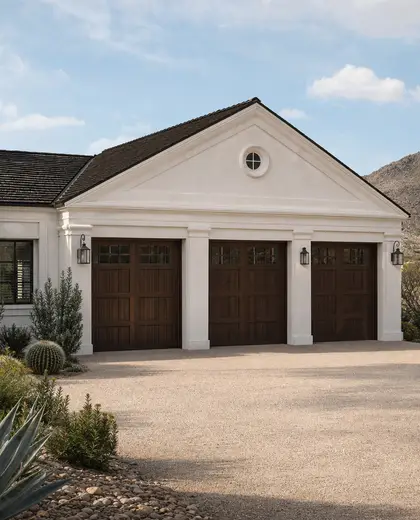
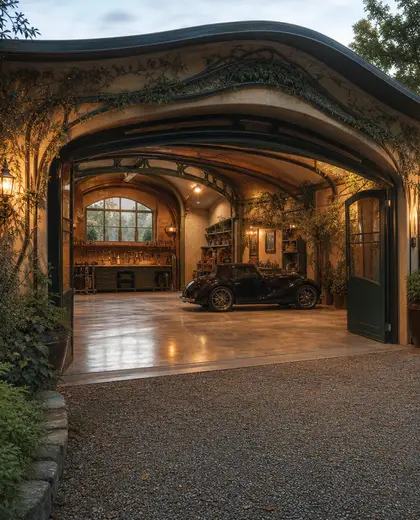
Not necessarily. It can either blend in with the main building or use a quieter, complementary language, as long as the roofline, openings, and materials feel coordinated.
— The style
What defines it
Concrete, steel, masonry, timber, and metal cladding are the most common choices for a garage composition.
Neutral tones lead the scheme, especially gray, black, white, taupe, and warm wood accents.
Parking, storage, workshop space, utility rooms, and sometimes integrated entry sequences or side yards.
— Professionals
Who has already built it
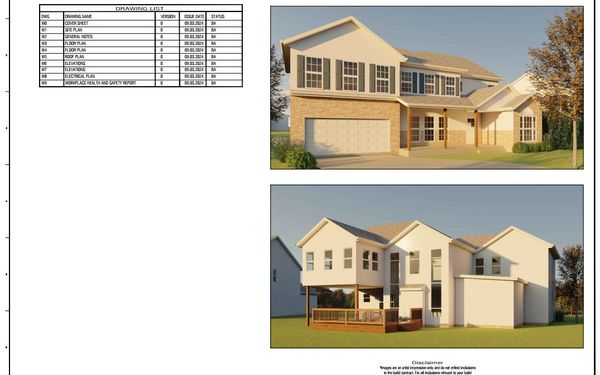

- Karavaan Homefurniture sellers · High Point · 4 projectsView profile →
— Questions
Frequently asked questions
What makes a garage feel architectural rather than purely utilitarian?
Clear proportions, a considered door design, and materials that match or complement the main house make the garage feel intentional rather than separate.
Can a garage use warmer materials without losing its practical look?
Yes. Wood slats, timber accents, or warm masonry can soften the exterior while keeping the garage durable and functional.
Should the garage match the house exactly?
Not necessarily. It can either blend in with the main building or use a quieter, complementary language, as long as the roofline, openings, and materials feel coordinated.