— Ideas & inspiration
Greenhouse composition
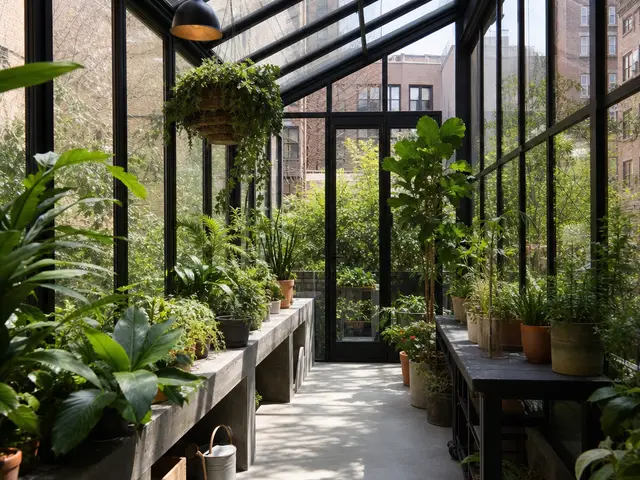
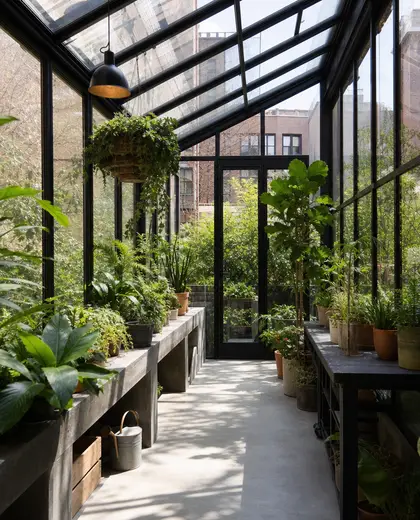
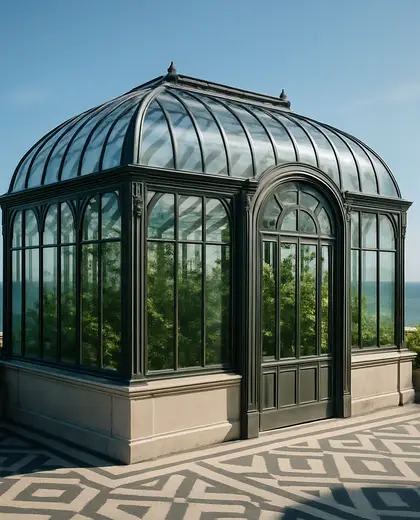
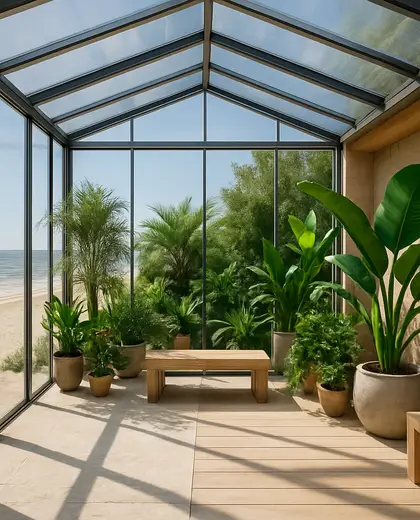
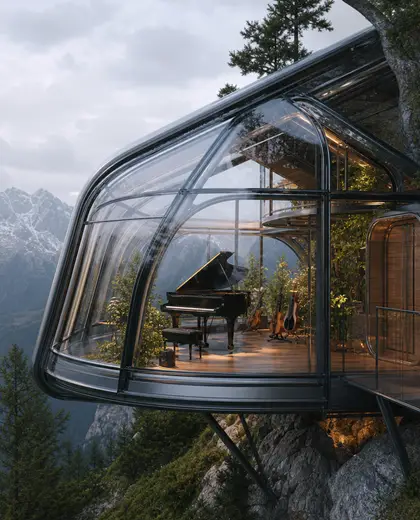
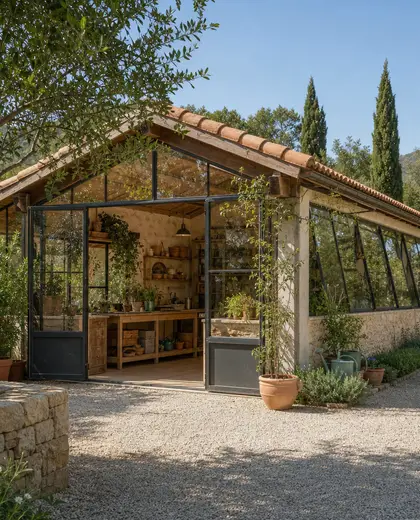
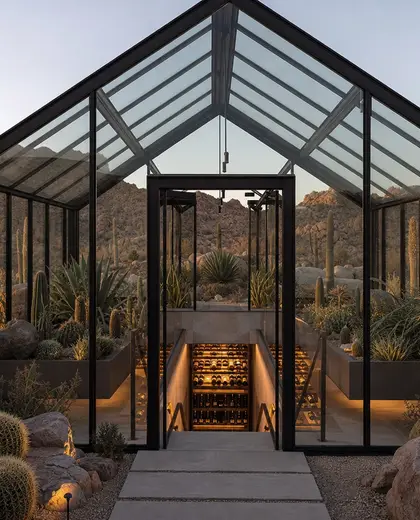
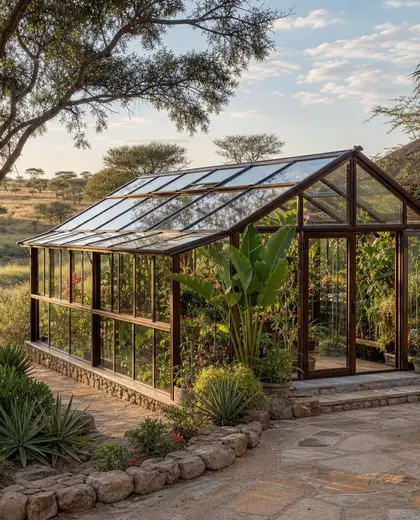
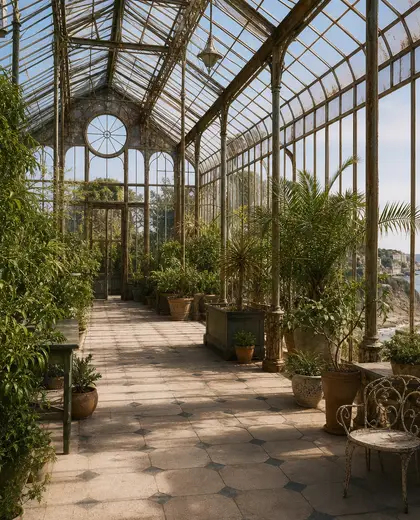
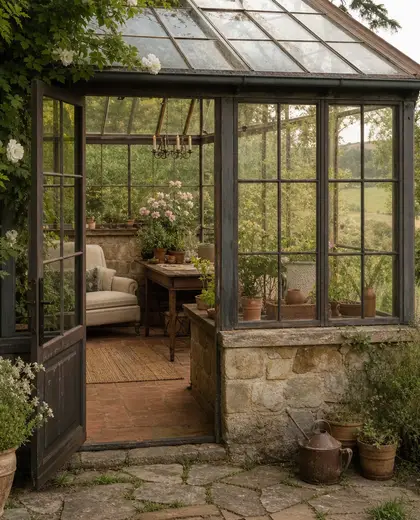
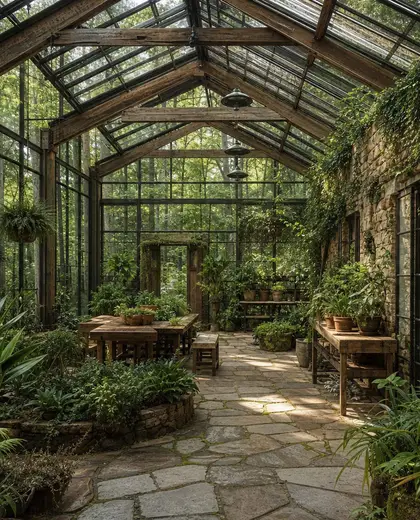
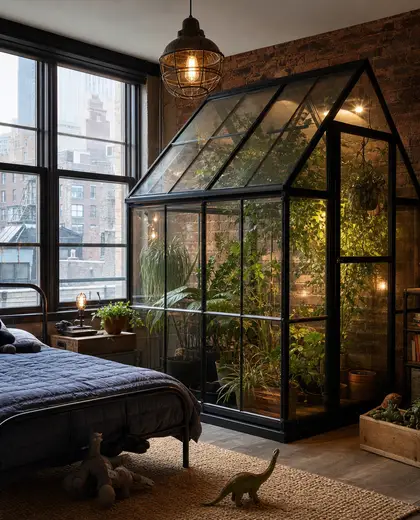
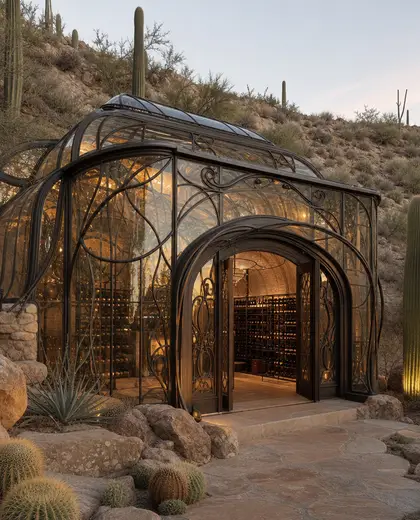
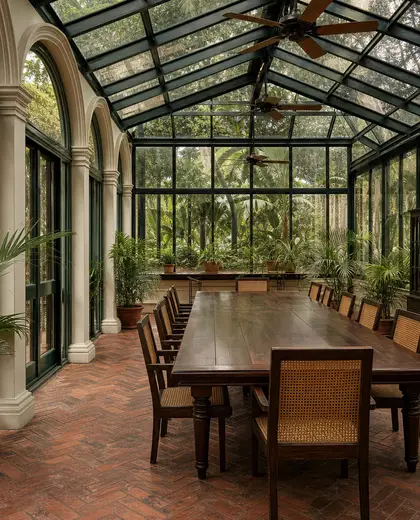
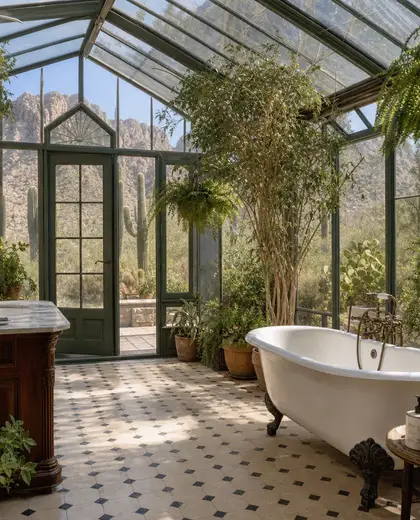
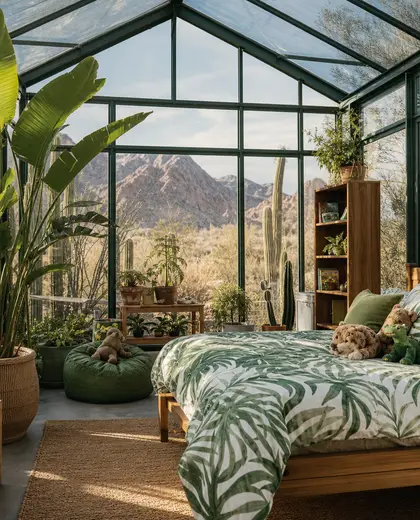
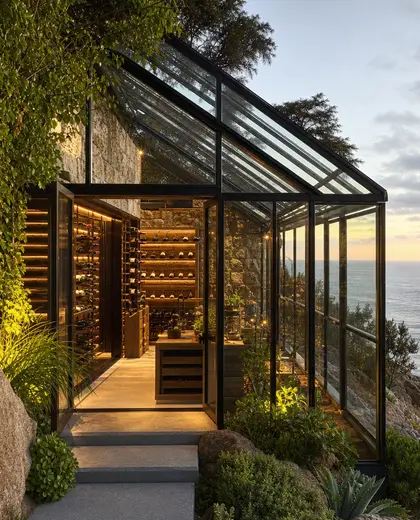
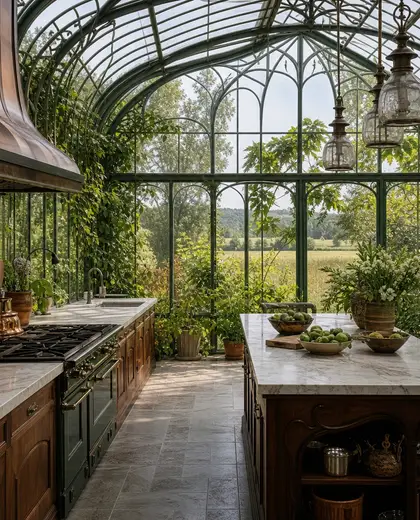
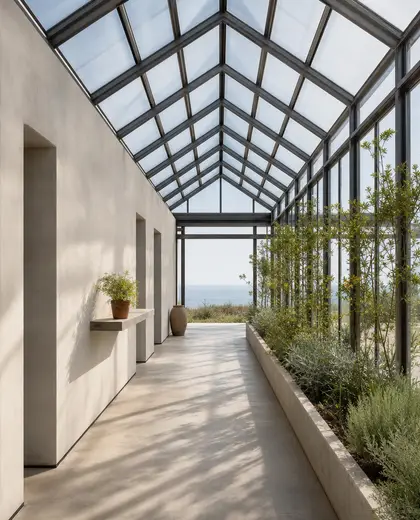
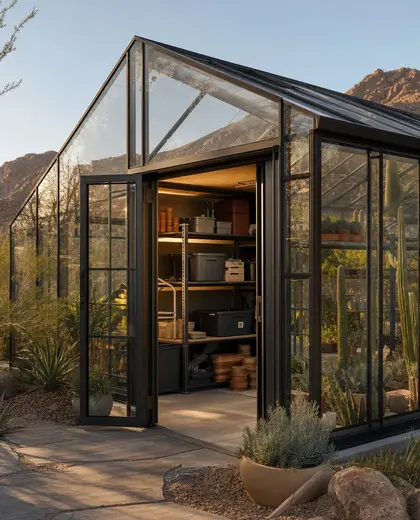
A greenhouse composition is defined by glazed walls and roof panels, slim metal framing, and a strong connection to plants and daylight. It typically uses glass, aluminum or steel, and moisture-tolerant finishes, with details that handle ventilation, drainage, and temperature control. The look is usually light and transparent, with structure kept visually minimal so the planting remains the focus.
- greenhouse
— References
References to explore
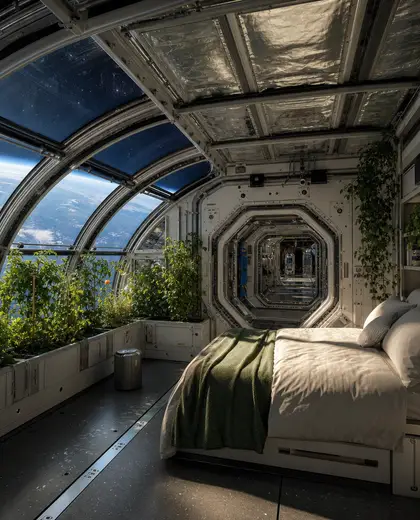
Is a greenhouse composition only for growing plants?
Not necessarily. It can also function as a sitting room, dining extension, or transition space, as long as light, ventilation, and humidity are handled well.
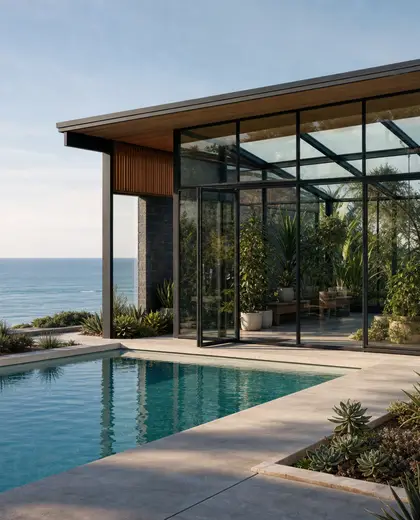
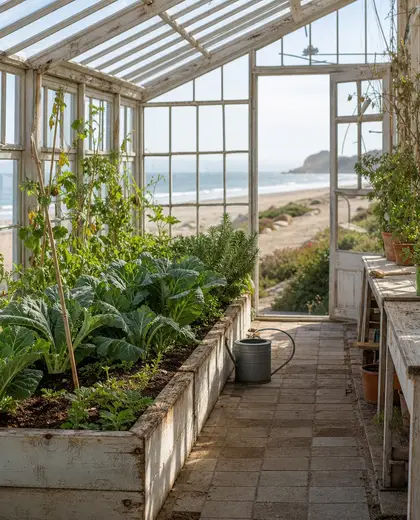
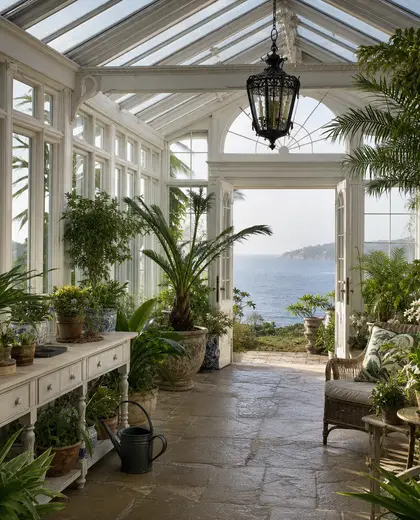
What materials hold up best in a greenhouse-like space?
Glass with corrosion-resistant framing is the standard choice, paired with floors and finishes that tolerate moisture and cleaning. Hardware and seals matter as much as the main structure.
Does this composition work in hot climates?
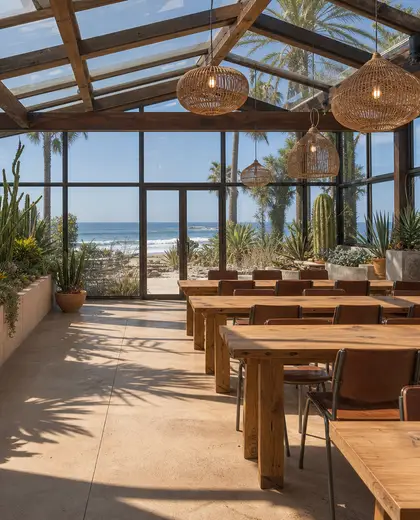
Yes, but it needs shading, operable vents, and sometimes mechanical cooling to prevent overheating. The design should prioritize sun control from the start.
— The style
What defines it
Glass, aluminum or steel frames, sealed joints, stone or concrete floors, and moisture-resistant trim or paint.
Clear and pale overall: transparent glass, black or dark metal framing, soft whites, light grays, and natural greens from planting.
Works best with indoor gardens, conservatories, sunrooms, courtyards, dining areas, and plant-focused circulation spaces.
— Professionals
Who has already built it
- Karavaan Homefurniture sellers · High Point · 4 projectsView profile →
- todd verwers architectsarchitects · San Diego · 6 projectsView profile →
- jacob galleslandscape designers · 6 projectsView profile →
- pfuner designinterior designers · 11 projectsView profile →
— Questions
Frequently asked questions
Is a greenhouse composition only for growing plants?
Not necessarily. It can also function as a sitting room, dining extension, or transition space, as long as light, ventilation, and humidity are handled well.
What materials hold up best in a greenhouse-like space?
Glass with corrosion-resistant framing is the standard choice, paired with floors and finishes that tolerate moisture and cleaning. Hardware and seals matter as much as the main structure.
Does this composition work in hot climates?
Yes, but it needs shading, operable vents, and sometimes mechanical cooling to prevent overheating. The design should prioritize sun control from the start.