— Ideas & inspiration
Hallways that feel calm, bright, and purposeful
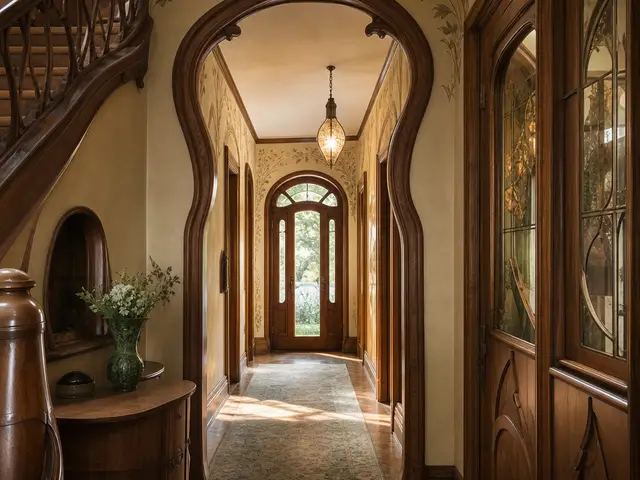
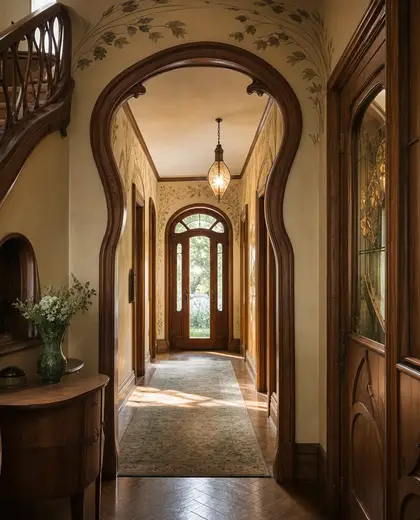
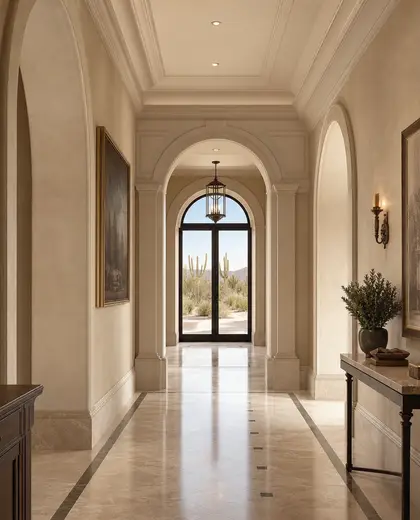
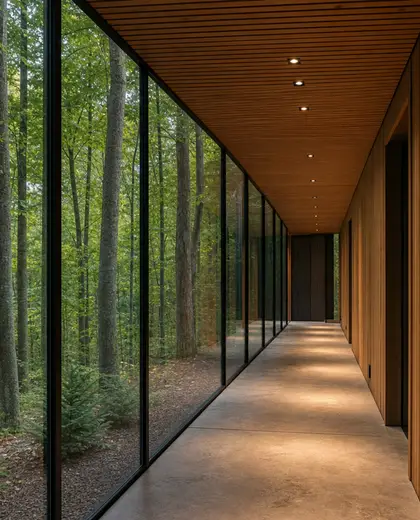
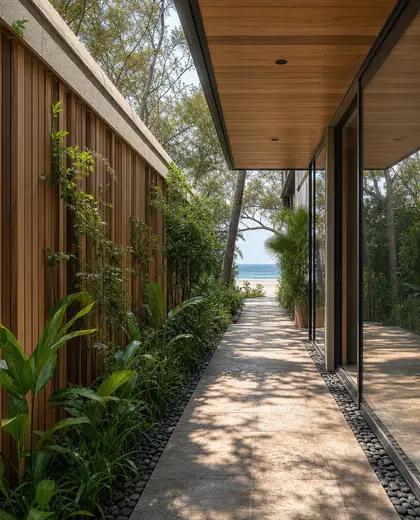
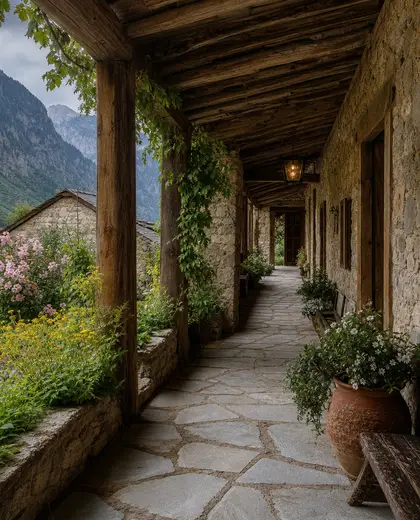
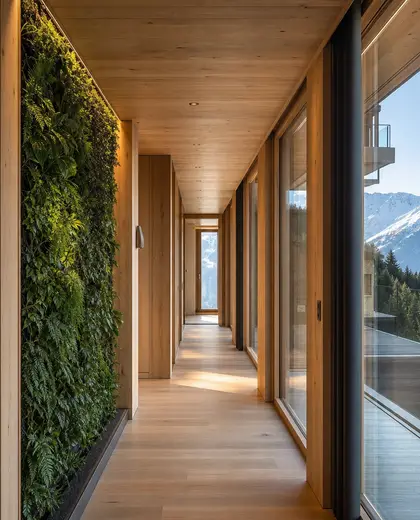
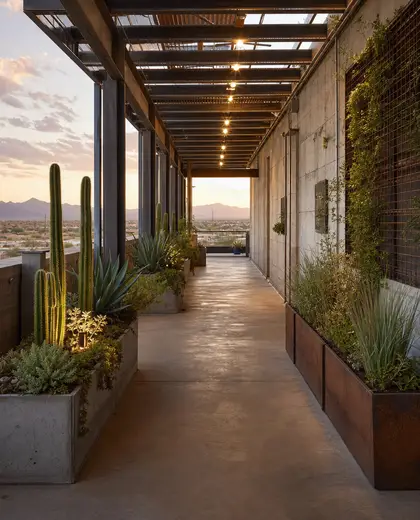
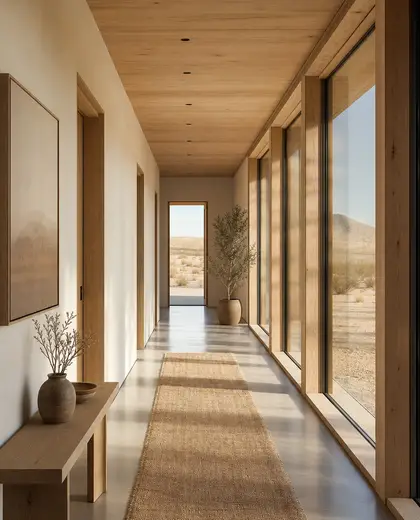
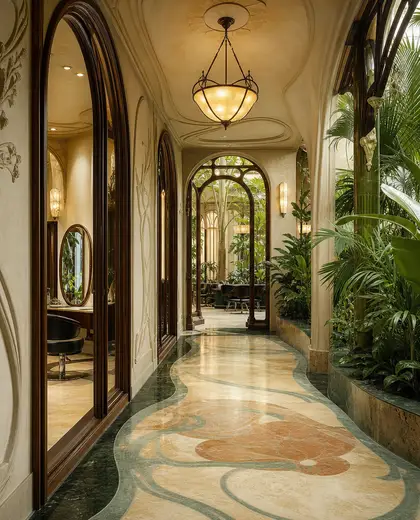
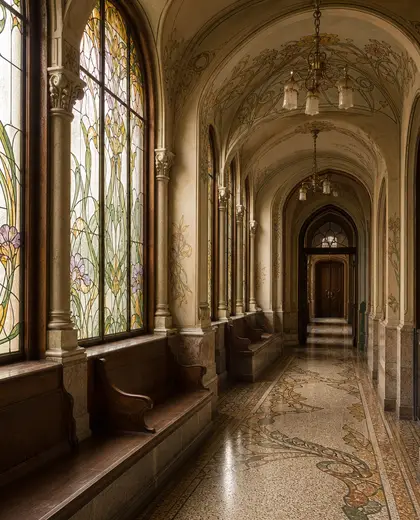
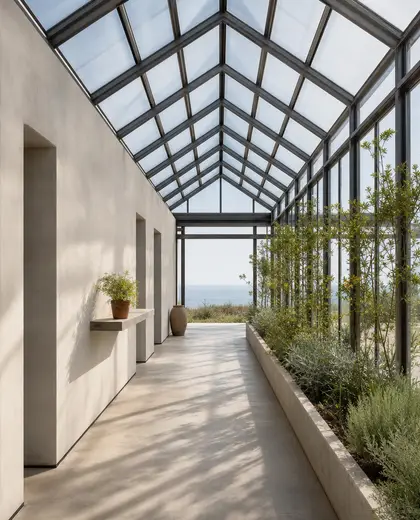
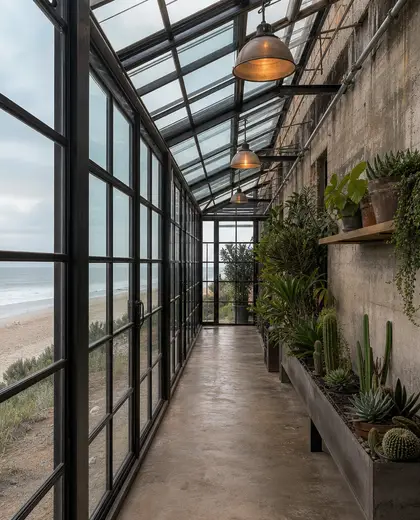
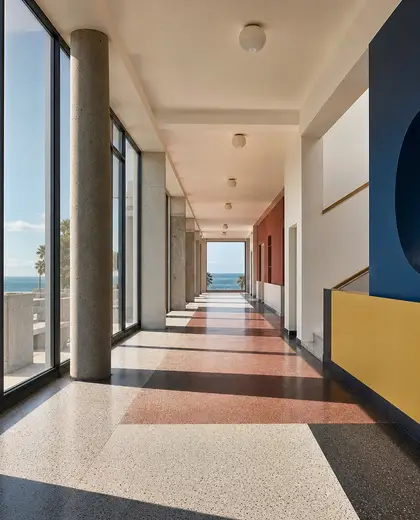
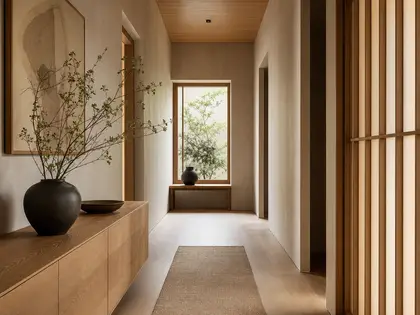
This composition is defined by a clear circulation path with durable, low-maintenance finishes and a restrained material palette. Common elements include wall panelling or painted plaster, timber or stone flooring, integrated lighting, and storage built flush into the walls. It usually combines with stair landings, entry zones, doors, and transitions to living spaces.
- hallway
— References
References to explore

What makes a hallway feel well designed?
Clear proportions, consistent finishes, good lighting, and uncluttered wall and floor lines make a hallway feel deliberate and easy to move through.
Which flooring works best in a hallway?
Hardwearing surfaces like timber, stone, porcelain tile, or terrazzo are common because they handle traffic well and are easy to maintain.
How can a hallway feel less narrow?
Use lighter wall colors, continuous flooring, simple trim, and evenly spaced lighting to make the space feel wider and more open.
— The style
What defines it
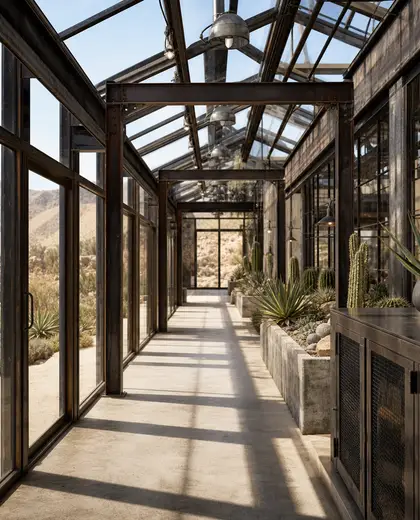
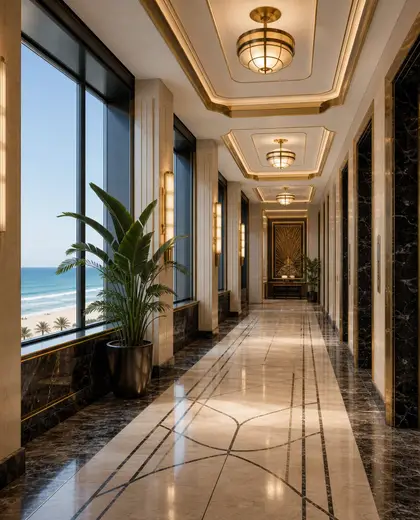
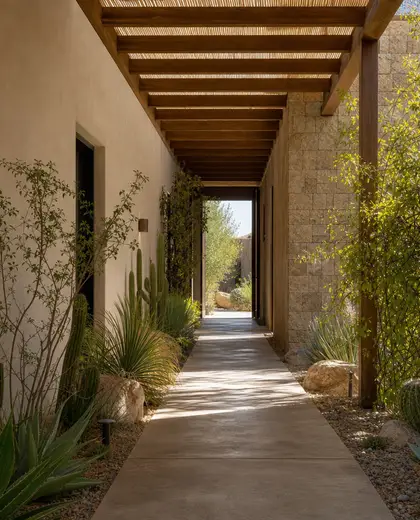
Painted plaster, timber flooring, stone or terrazzo, glass, and slim metal details are common choices for a hallway.
Neutral tones such as white, warm gray, beige, sand, and natural wood keep the space open and easy to read.
Hallways often connect to entryways, staircases, bedrooms, living areas, and built-in storage or display niches.
— Professionals
Who has already built it
- jeffry kocharchitects · Rose Hill · 6 projectsView profile →
- Karavaan Homefurniture sellers · High Point · 4 projectsView profile →
- jacob galleslandscape designers · 6 projectsView profile →
- pfuner designinterior designers · 11 projectsView profile →
— Questions
Frequently asked questions
What makes a hallway feel well designed?
Clear proportions, consistent finishes, good lighting, and uncluttered wall and floor lines make a hallway feel deliberate and easy to move through.
Which flooring works best in a hallway?
Hardwearing surfaces like timber, stone, porcelain tile, or terrazzo are common because they handle traffic well and are easy to maintain.
How can a hallway feel less narrow?
Use lighter wall colors, continuous flooring, simple trim, and evenly spaced lighting to make the space feel wider and more open.