— Ideas & inspiration
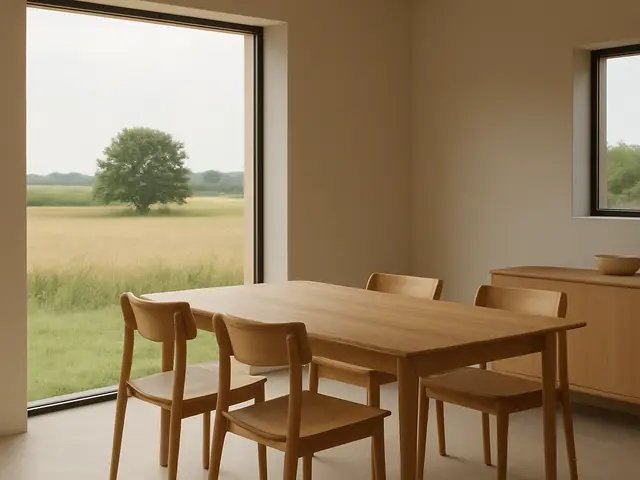
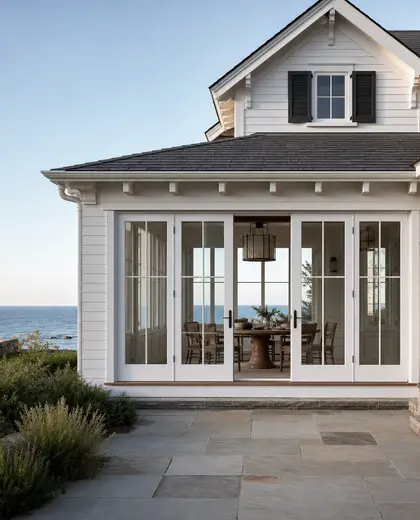
Informal dining room
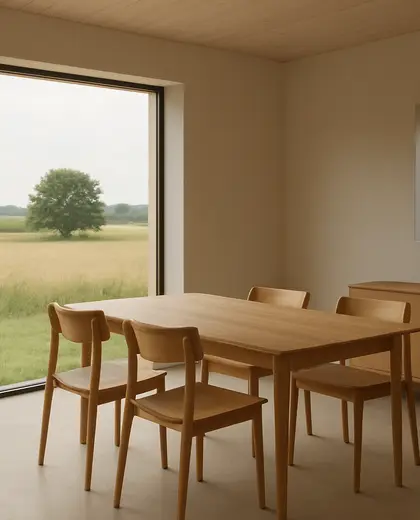
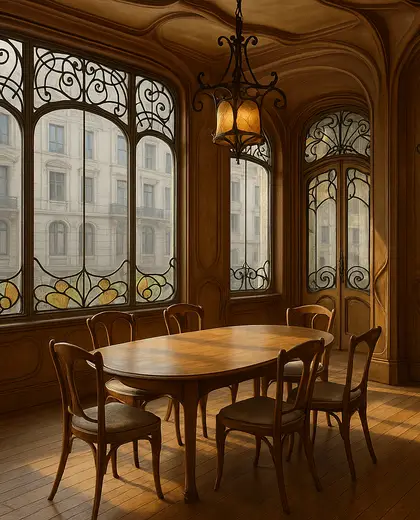
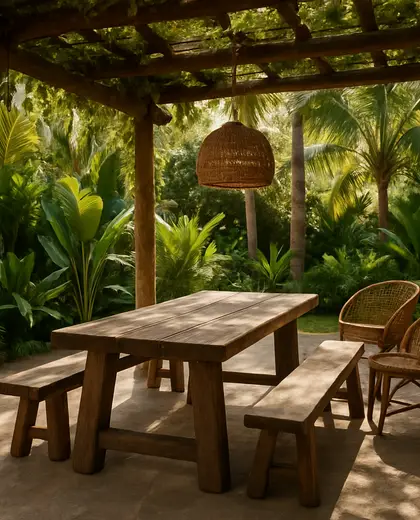
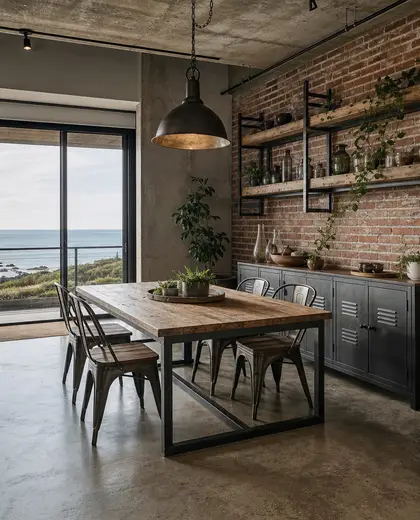
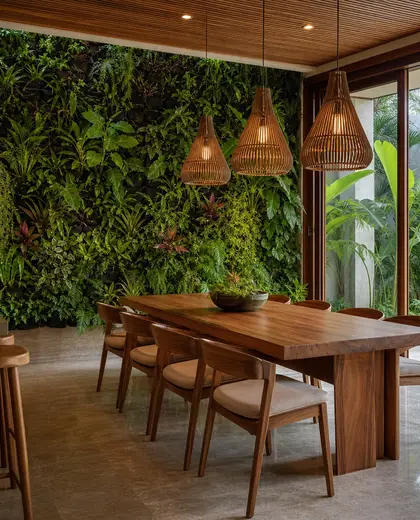
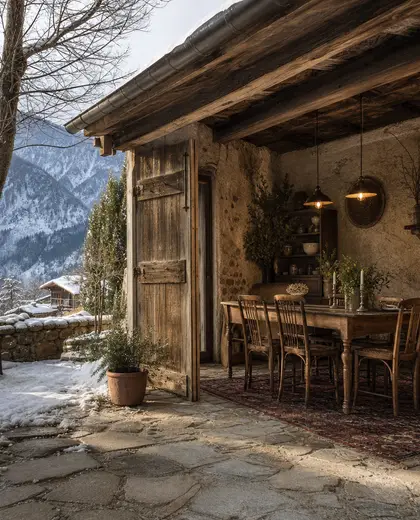
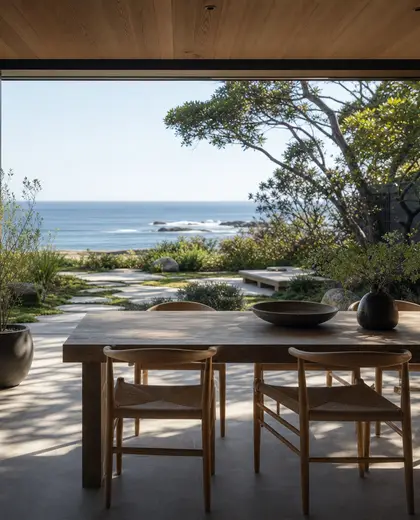
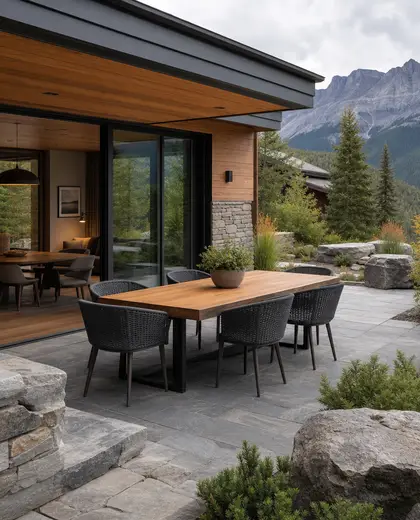
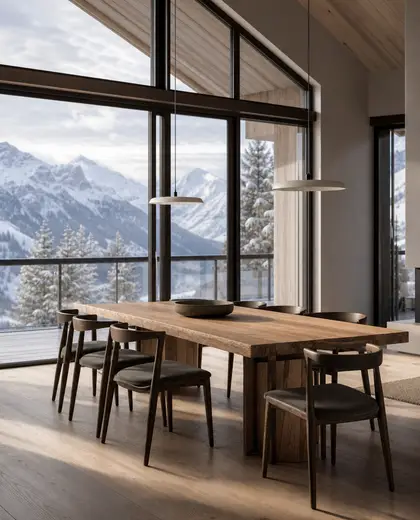
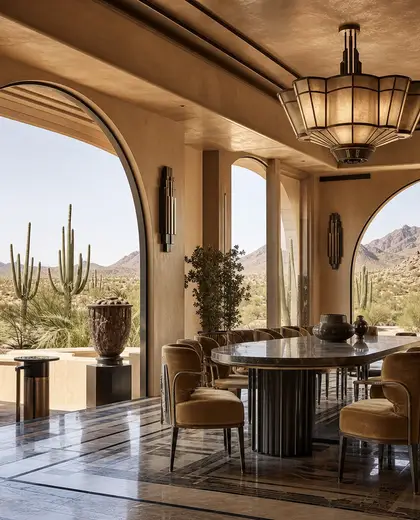
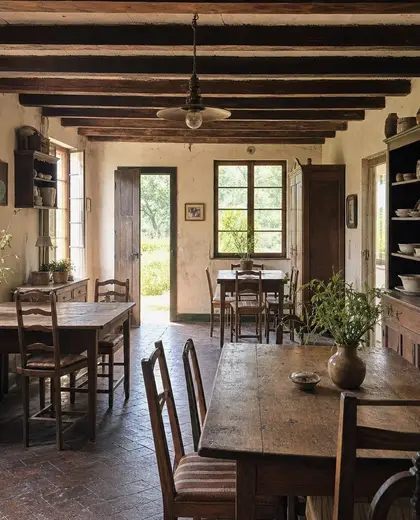
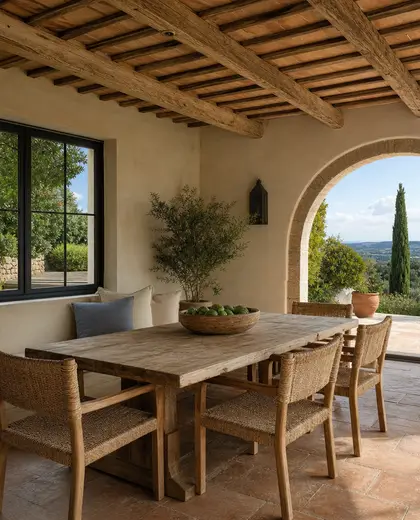
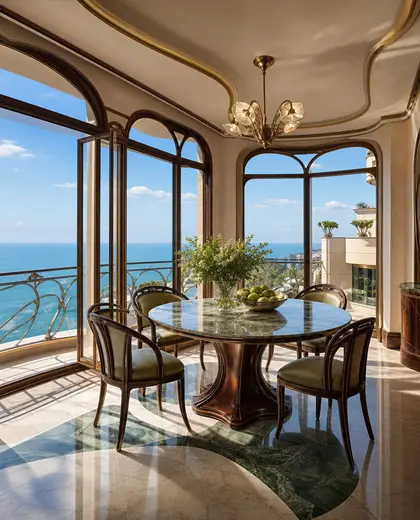
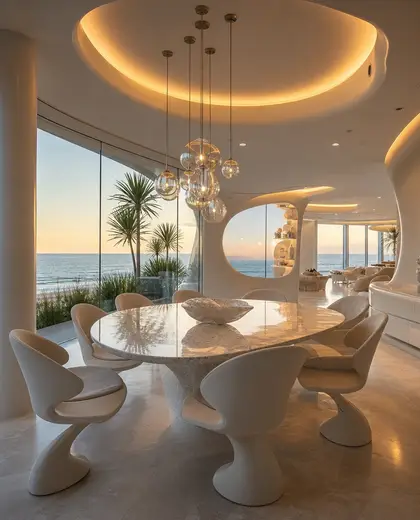
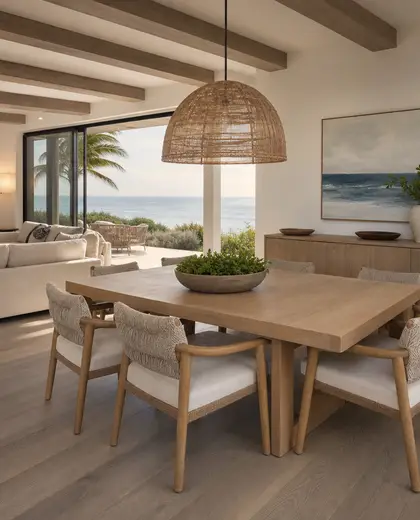
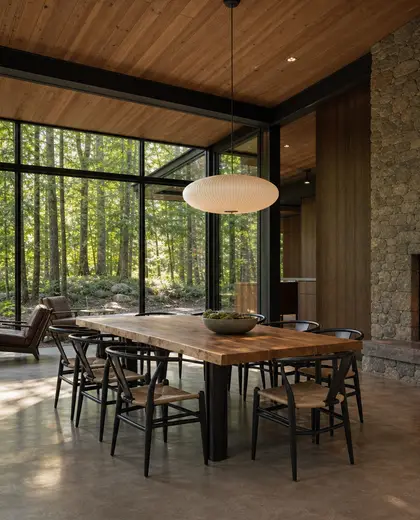
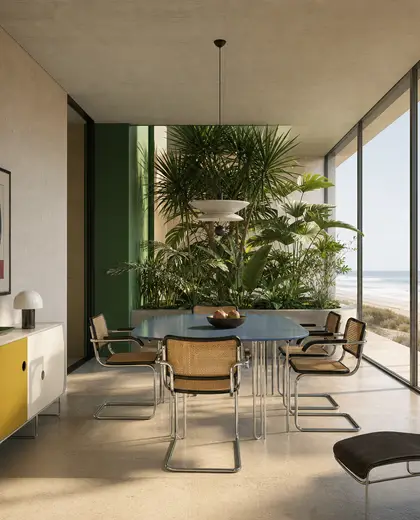
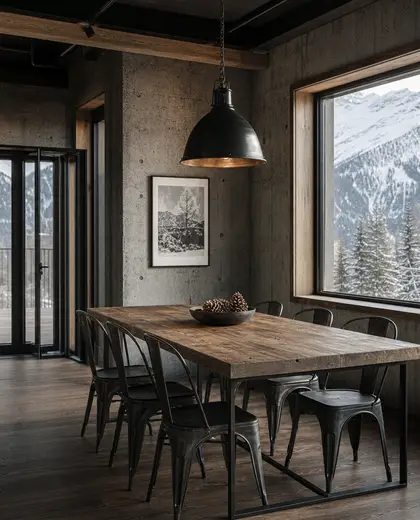
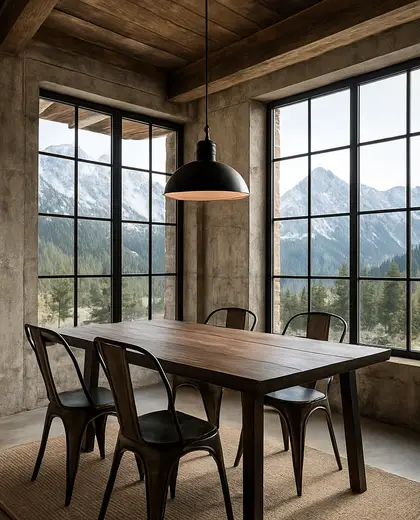
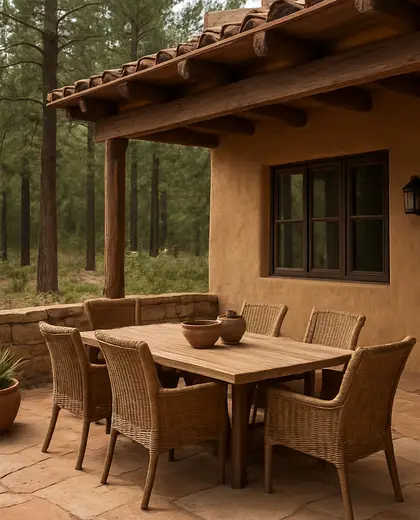
An informal dining room is typically built around everyday-use materials such as wood, painted MDF, plaster, linen, and easy-care upholstery. The palette is often warm and relaxed, using neutrals, muted earth tones, soft greys, and occasional darker accents to keep the room grounded. Defining elements usually include a simple table, mixed seating, relaxed lighting, and enough openness to connect with the kitchen or living area.
- informal dining room
— References
References to explore
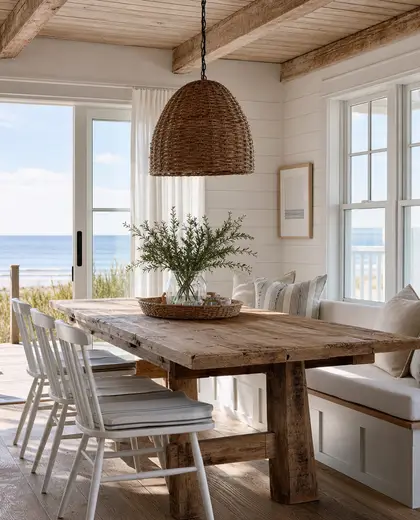
How is an informal dining room different from a formal one?
It usually has simpler furnishings, less ornament, and a more relaxed layout. The room is designed for daily meals rather than occasional entertaining.
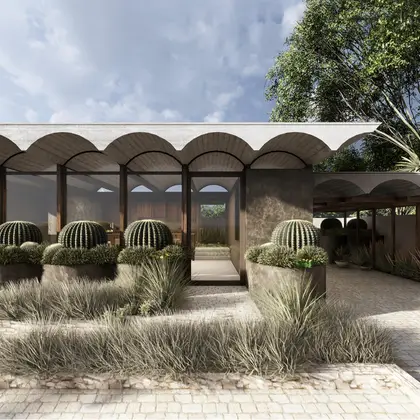
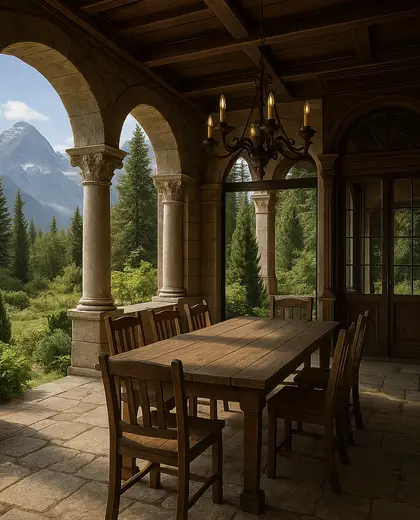
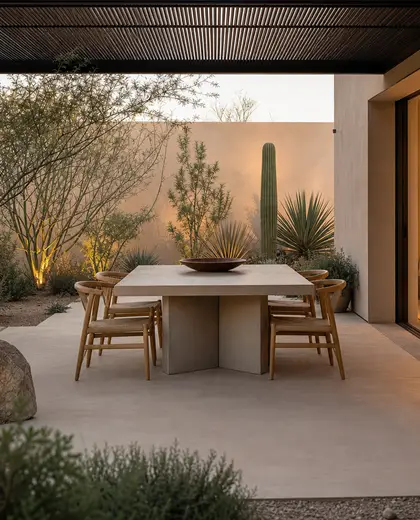
What kind of table works best?
A solid wood or wood-veneer table is common because it feels durable and approachable. Round, oval, and rectangular forms all work, depending on the room shape and circulation.
Can an informal dining room still feel designed?
Yes, if the materials, lighting, and seating are coordinated. The look usually depends on restraint, texture, and a few well-chosen details rather than decorative formality.
— The style
What defines it
Wood, veneer, painted joinery, plaster walls, stone or tile floors, linen, cotton, and durable upholstery are common choices.
Warm neutrals, soft whites, beige, greige, muted terracotta, olive, and charcoal are typical; contrast is usually kept low to moderate.
It often combines with an open kitchen, family room, banquette seating, pendant lighting, and casual storage such as sideboards or built-in benches.
— Professionals
Who has already built it
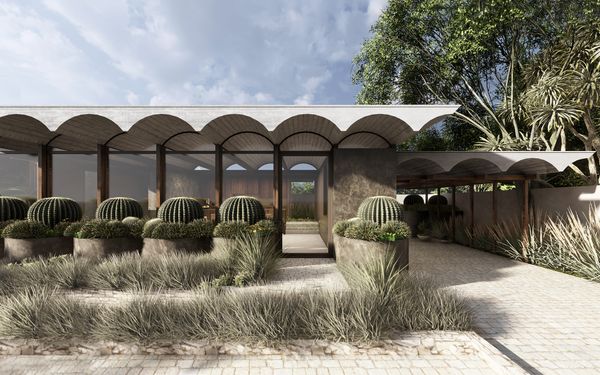

- Karavaan Homefurniture sellers · High Point · 4 projectsView profile →
— Questions
Frequently asked questions
How is an informal dining room different from a formal one?
It usually has simpler furnishings, less ornament, and a more relaxed layout. The room is designed for daily meals rather than occasional entertaining.
What kind of table works best?
A solid wood or wood-veneer table is common because it feels durable and approachable. Round, oval, and rectangular forms all work, depending on the room shape and circulation.
Can an informal dining room still feel designed?
Yes, if the materials, lighting, and seating are coordinated. The look usually depends on restraint, texture, and a few well-chosen details rather than decorative formality.