— Ideas & inspiration
Main Hall
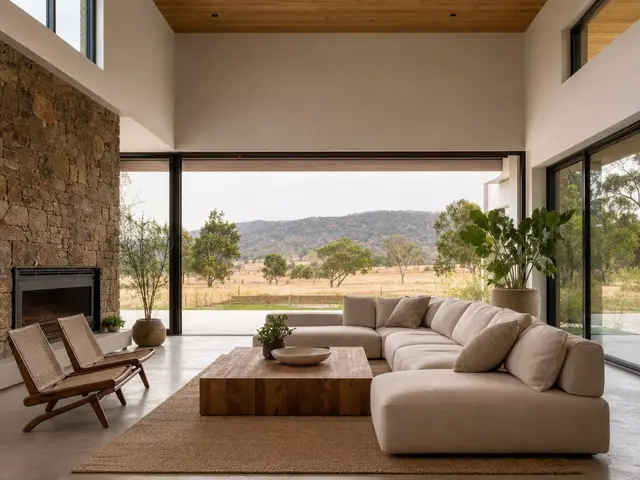
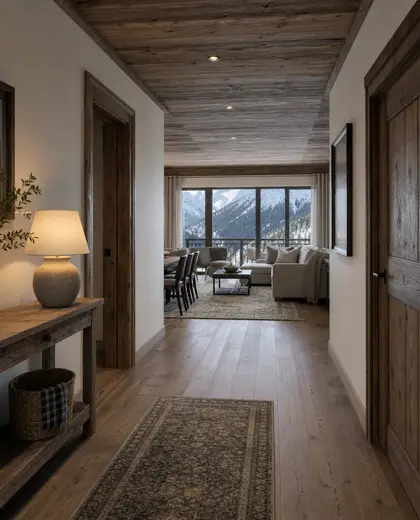
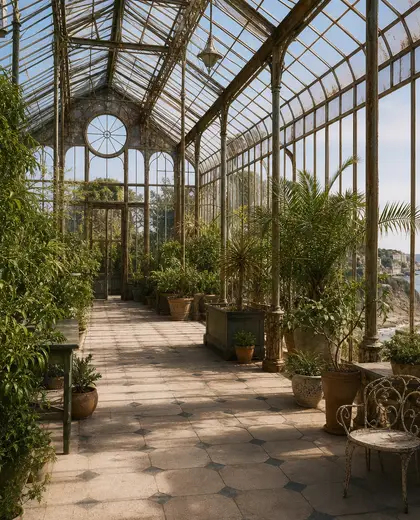
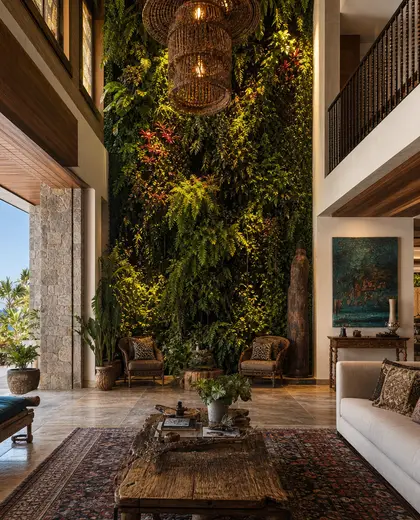
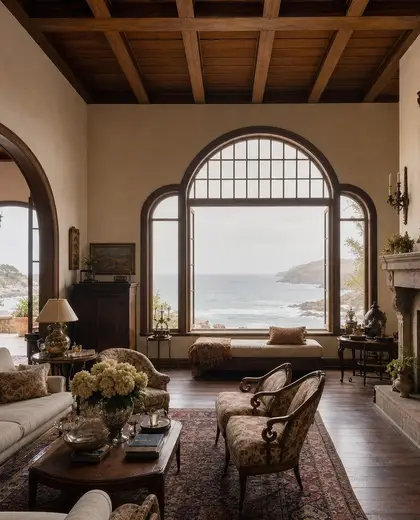
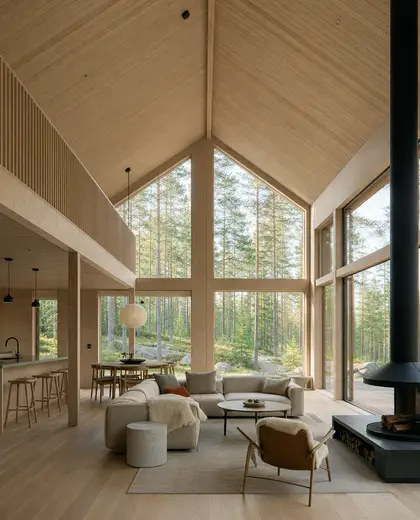
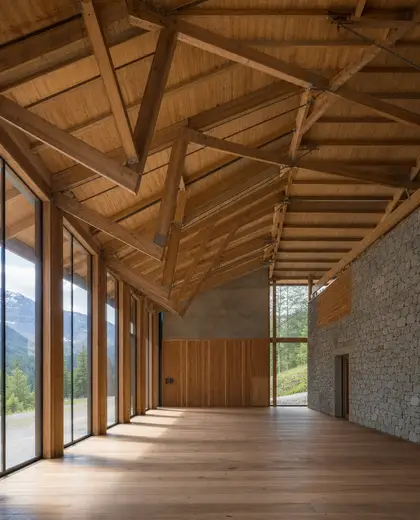
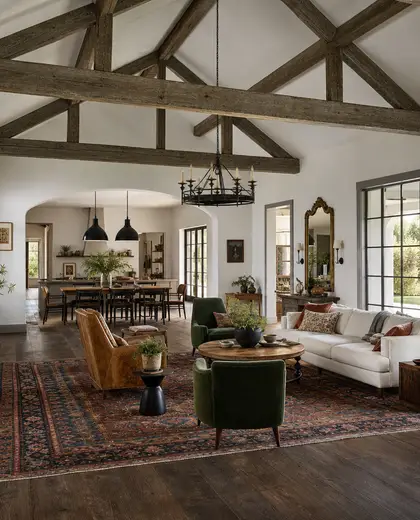
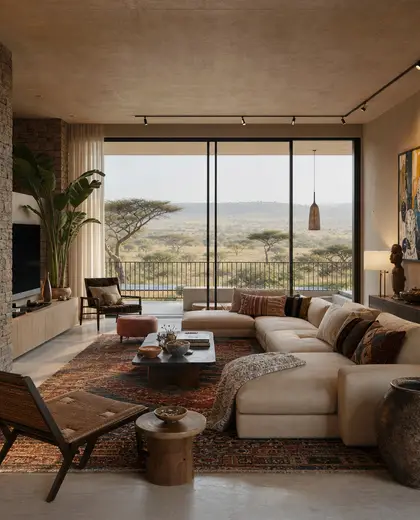
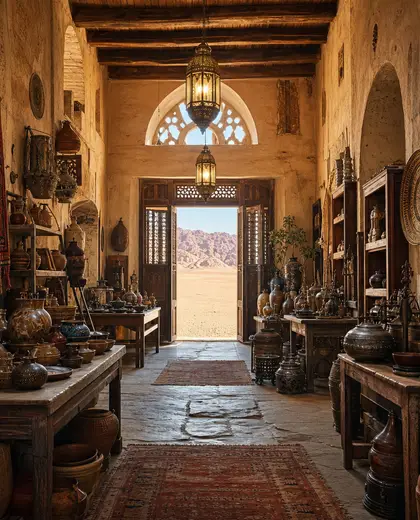
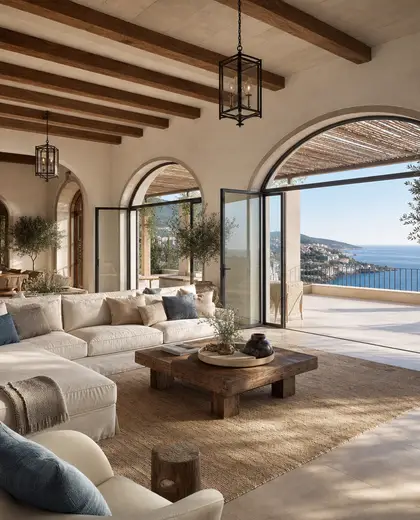
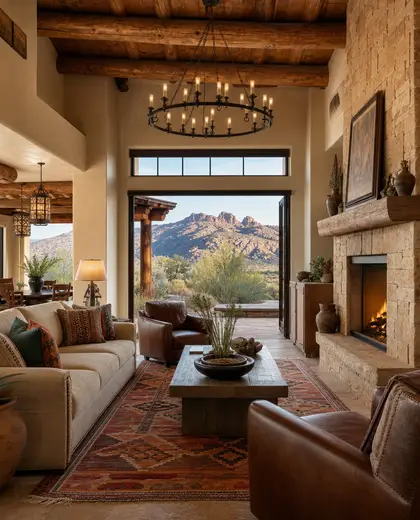
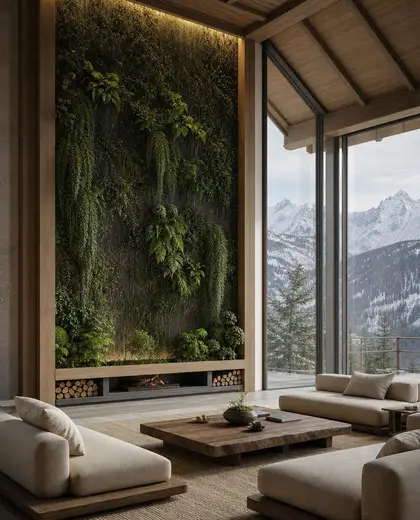
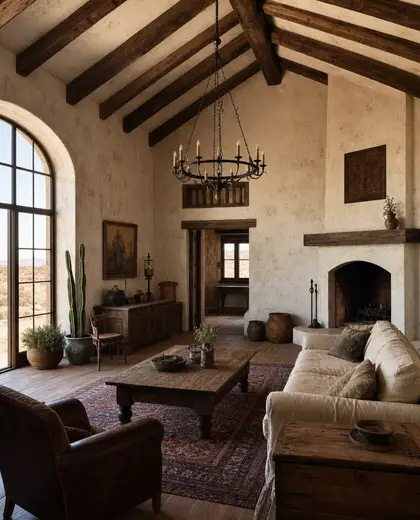
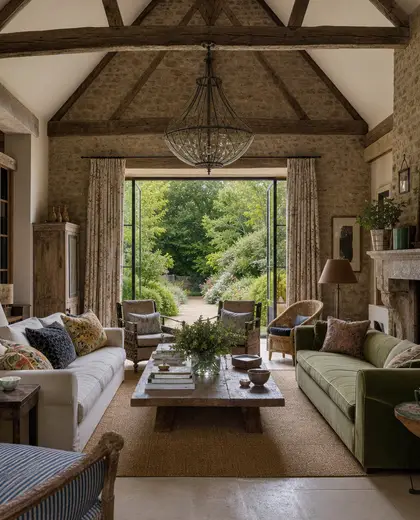
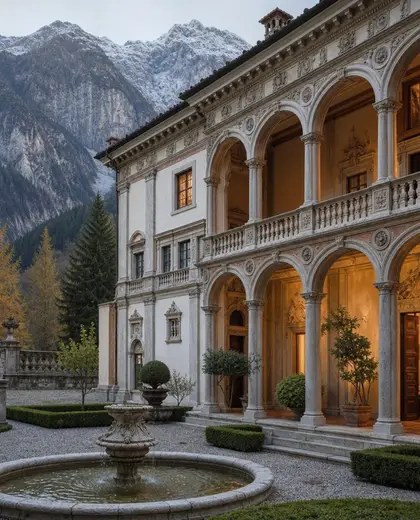
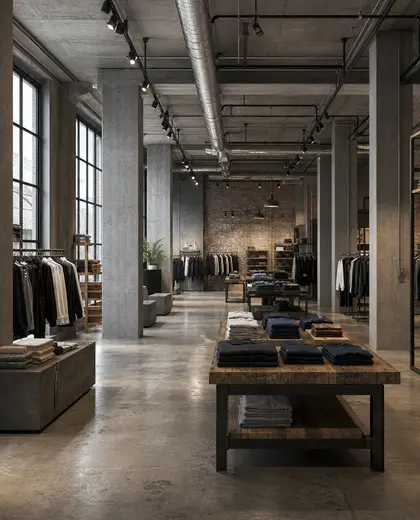
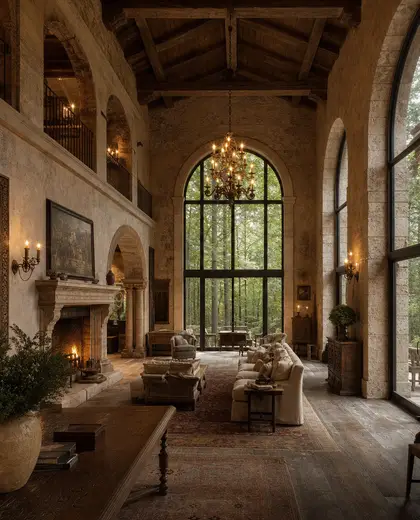
A main hall is typically defined by durable floor finishes, clear circulation, and a strong central volume that can handle heavy daily use. Common materials include stone, terrazzo, timber, plaster, and metal details, with a palette that stays neutral so the space reads open and coherent. It usually combines a welcoming entry sequence, seating or display elements, and lighting that gives the room a calm, public character.
- main hall
— References
References to explore
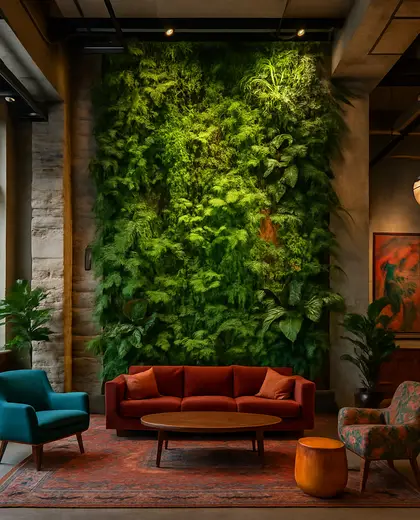
Is a main hall the same as an entryway?
Not exactly. A main hall is usually larger and more central, often serving as the primary circulation and gathering space rather than only the point of entry.
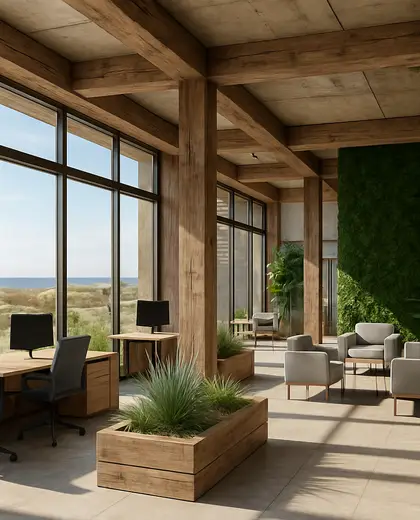
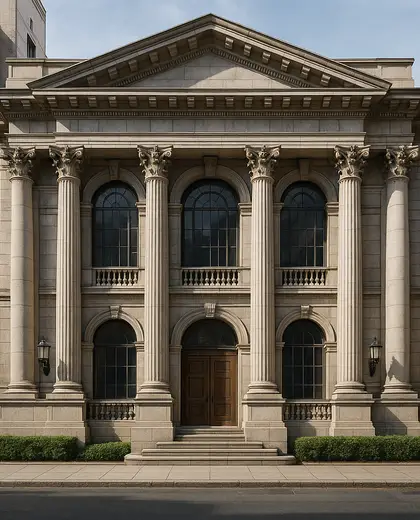
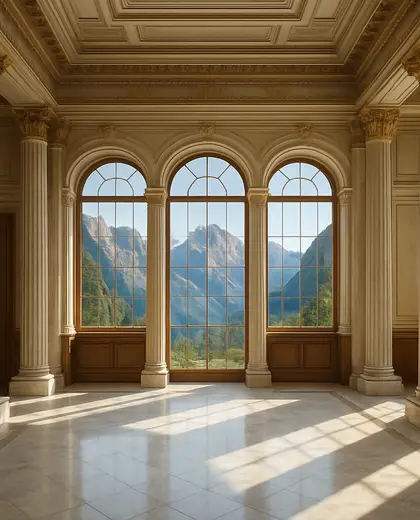
What flooring works best for a main hall?
Hard-wearing floors like stone, terrazzo, or sealed timber are common because they handle foot traffic and are easy to maintain. The best choice depends on the amount of use and the overall style of the interior.

Can a main hall still feel warm if it uses hard materials?
Yes. Timber accents, textured plaster, upholstered seating, and warmer lighting can soften stone or terrazzo and keep the space from feeling austere.
— The style
What defines it
Stone, terrazzo, timber, plaster, glass, and matte metal are common because they age well and can take frequent traffic.
Soft neutrals, warm wood tones, off-whites, charcoal, and muted earth colors help the hall feel open and grounded.
Works well with staircases, reception desks, built-in benches, wall panels, clerestory light, and large-format lighting.
— Professionals
Who has already built it
- Karavaan Homefurniture sellers · High Point · 4 projectsView profile →
- todd verwers architectsarchitects · San Diego · 6 projectsView profile →
- jacob galleslandscape designers · 6 projectsView profile →
- pfuner designinterior designers · 11 projectsView profile →
— Questions
Frequently asked questions
Is a main hall the same as an entryway?
Not exactly. A main hall is usually larger and more central, often serving as the primary circulation and gathering space rather than only the point of entry.
What flooring works best for a main hall?
Hard-wearing floors like stone, terrazzo, or sealed timber are common because they handle foot traffic and are easy to maintain. The best choice depends on the amount of use and the overall style of the interior.
Can a main hall still feel warm if it uses hard materials?
Yes. Timber accents, textured plaster, upholstered seating, and warmer lighting can soften stone or terrazzo and keep the space from feeling austere.