— Ideas & inspiration
Roof composition
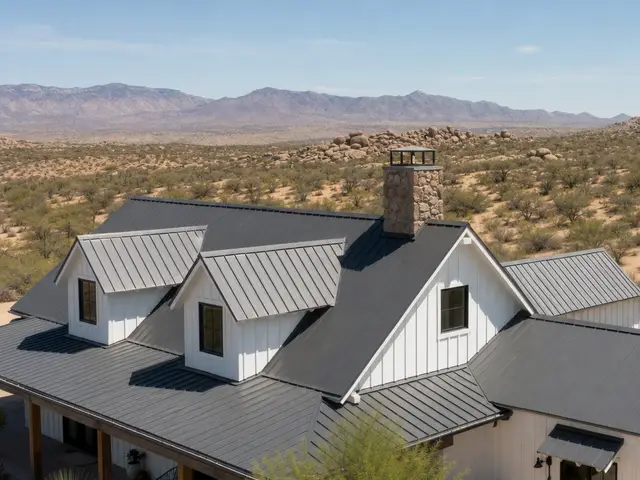
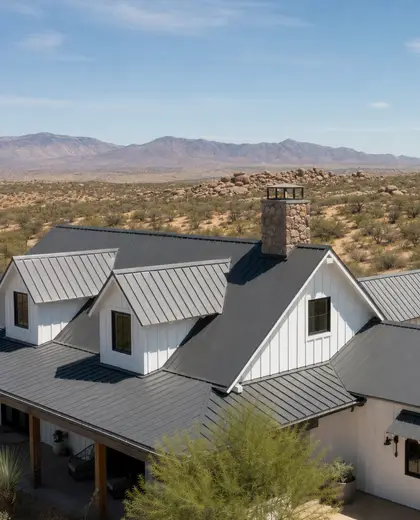
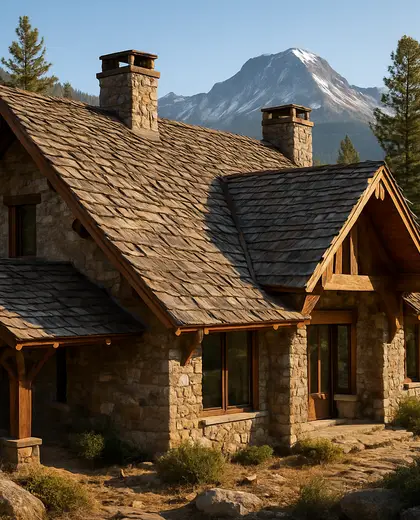
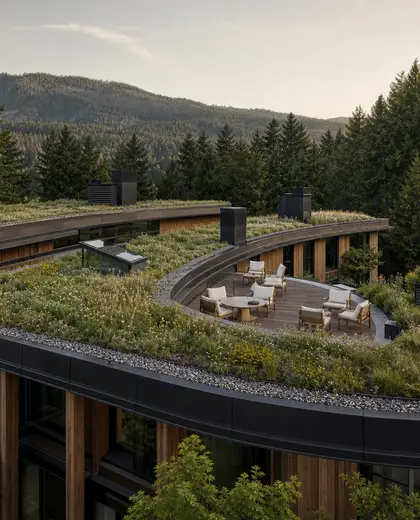
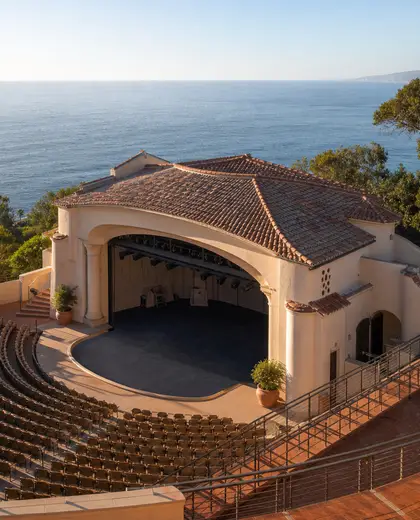
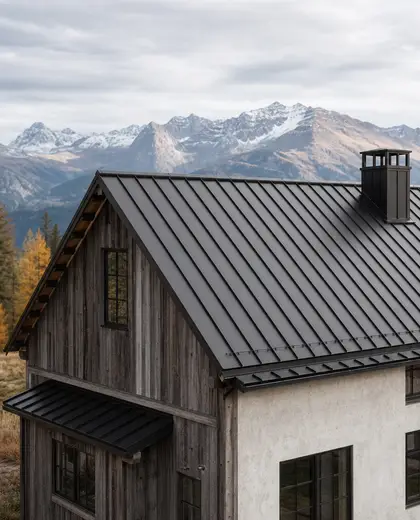
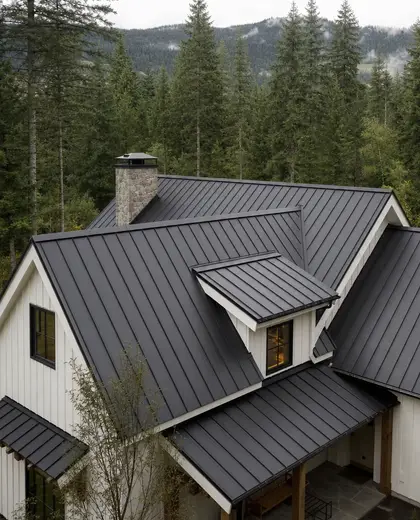
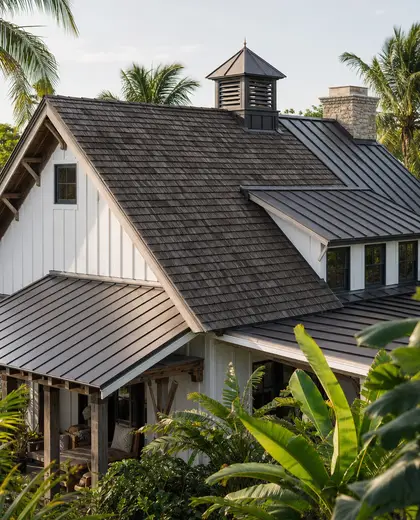
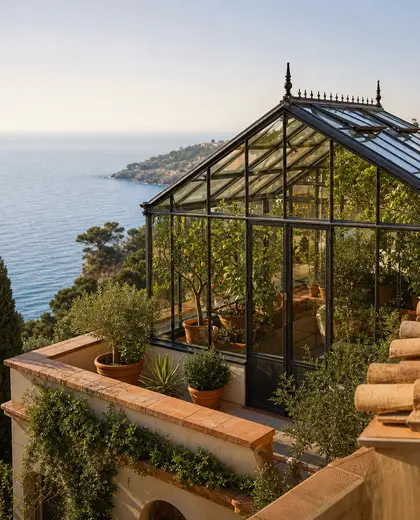
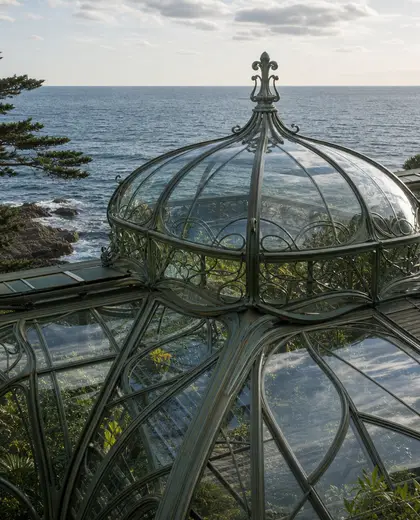
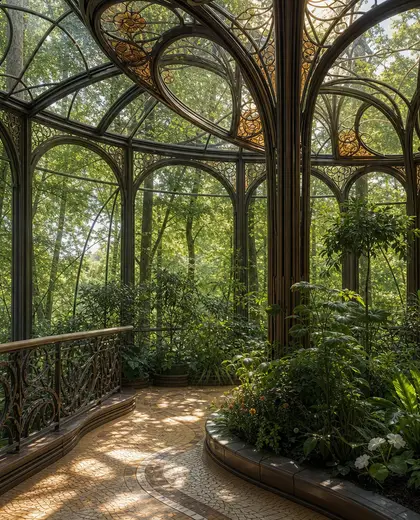
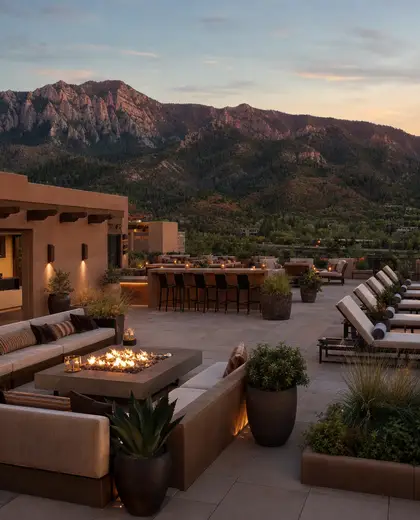
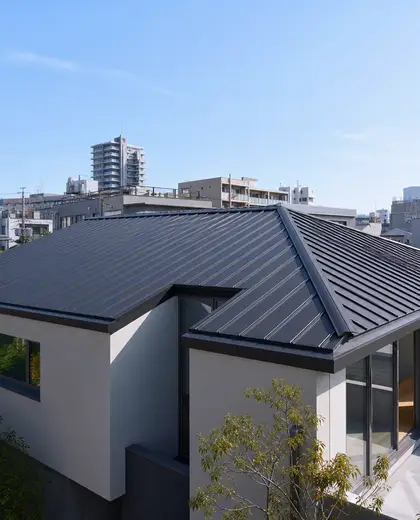
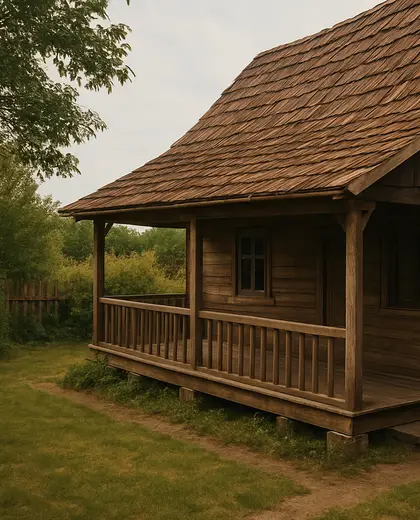
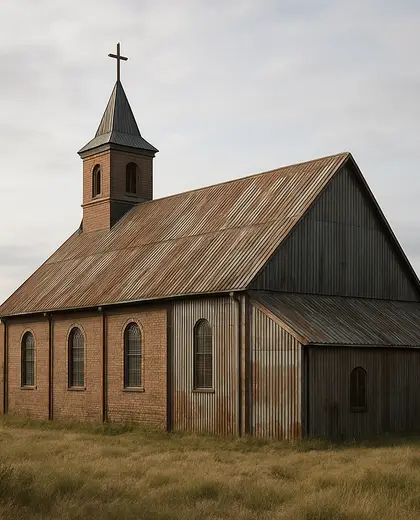
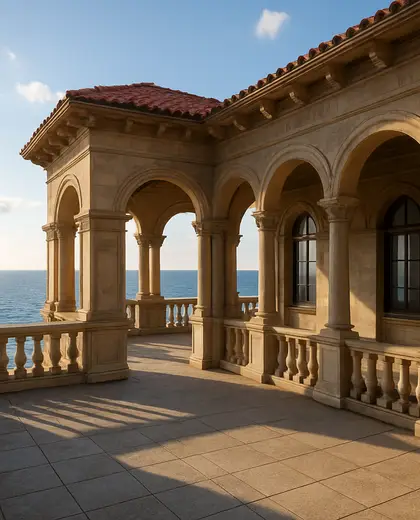
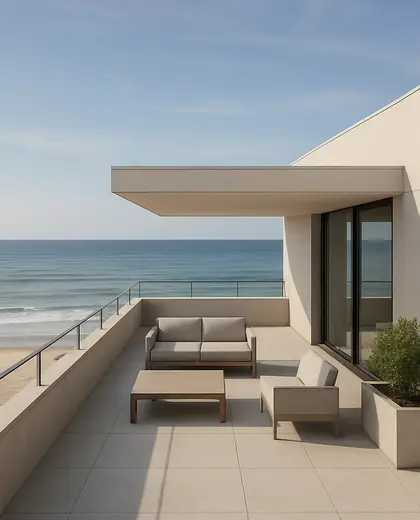
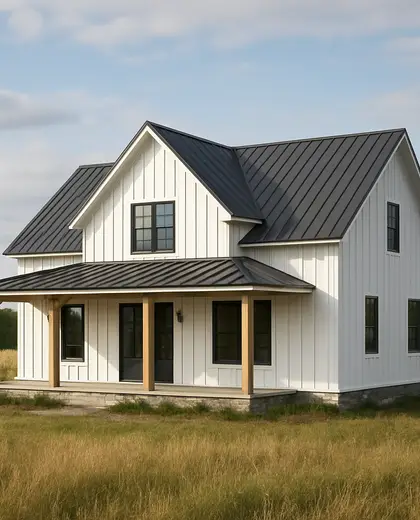
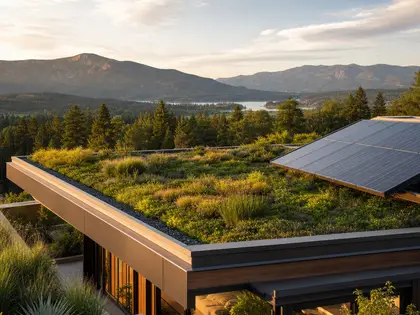
Roof composition is defined by the visible covering and structure at the top of a building: tiles, slates, metal sheets, shingles, membranes, or planted systems, depending on the roof type. It usually reads as a durable outer layer over insulation, waterproofing, and framing, with details such as ridges, gutters, eaves, and flashing shaping the final look. The composition is chosen to balance weather protection, weight, drainage, and the architectural profile of the house.
- roof
— References
References to explore

Which roof material is best for my house type?
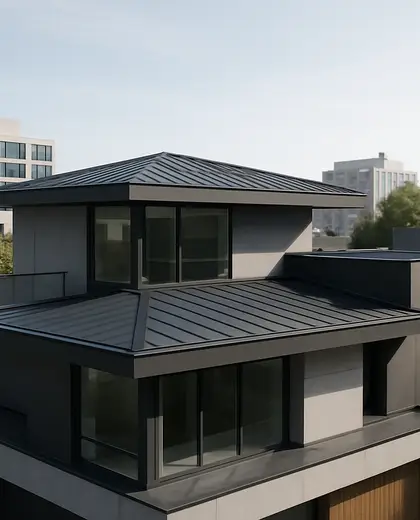
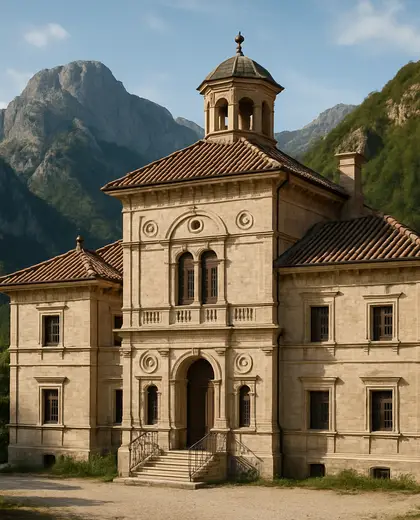
It depends on the structure, slope, climate, and local rules. Steeper roofs often suit tiles, slate, or shingles, while low-slope roofs usually need membranes or metal systems.
Can a roof composition be changed without rebuilding the whole house?
Sometimes, yes. A re-covering or replacement may be possible if the framing, insulation, and waterproofing layers are in good condition, but damaged structure usually requires deeper work.

Will the roof color affect the look of the facade?
Yes. Roof color strongly affects the building’s overall tone, especially when the roof is large or highly visible. Dark roofs feel heavier and more graphic, while lighter or earthy roofs read softer and more traditional.

— The style
What defines it
Clay or concrete tiles, natural slate, standing seam metal, asphalt shingles, wood shingles, membrane systems, and green-roof layers are common roof materials.
Roof palettes are usually restrained: terracotta, charcoal, graphite, black, muted browns, weathered silver, or natural green for planted roofs.
Roof composition works with facade cladding, guttering, soffits, chimneys, skylights, solar panels, and the overall roof pitch and eave detail.
— Professionals
Who has already built it
- Karavaan Homefurniture sellers · High Point · 4 projectsView profile →
- todd verwers architectsarchitects · San Diego · 6 projectsView profile →
- jacob galleslandscape designers · 6 projectsView profile →
- pfuner designinterior designers · 11 projectsView profile →
— Questions
Frequently asked questions
Which roof material is best for my house type?
It depends on the structure, slope, climate, and local rules. Steeper roofs often suit tiles, slate, or shingles, while low-slope roofs usually need membranes or metal systems.
Can a roof composition be changed without rebuilding the whole house?
Sometimes, yes. A re-covering or replacement may be possible if the framing, insulation, and waterproofing layers are in good condition, but damaged structure usually requires deeper work.
Will the roof color affect the look of the facade?
Yes. Roof color strongly affects the building’s overall tone, especially when the roof is large or highly visible. Dark roofs feel heavier and more graphic, while lighter or earthy roofs read softer and more traditional.