— Ideas & inspiration
Savanna composition
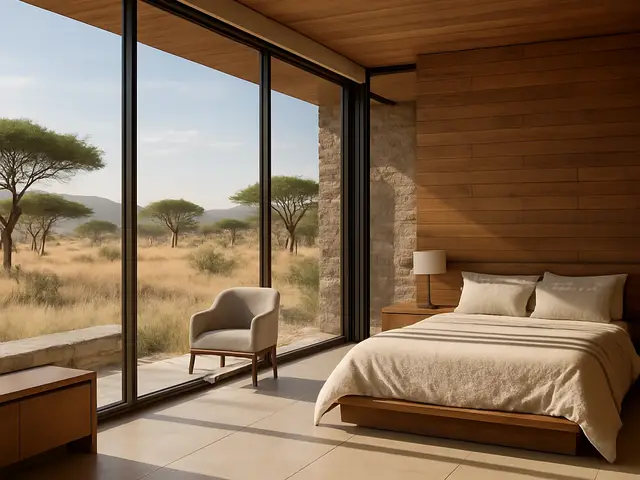
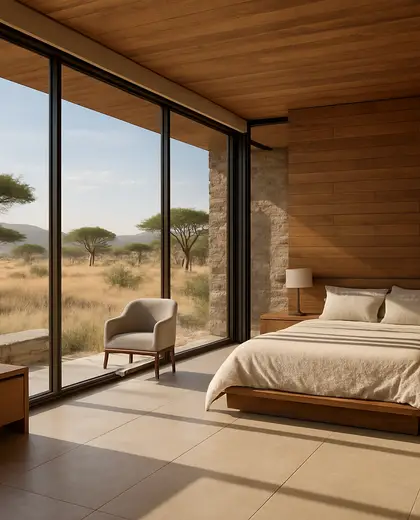
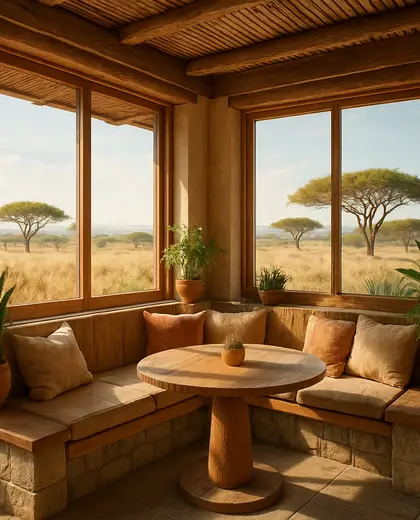
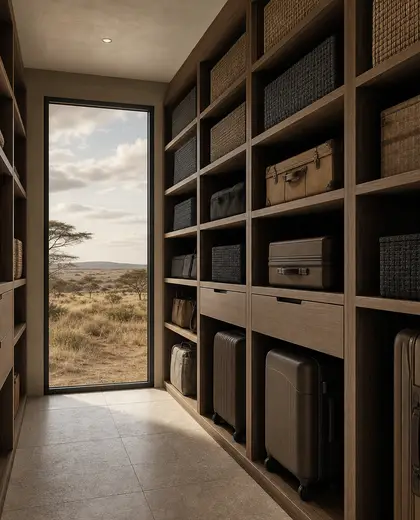
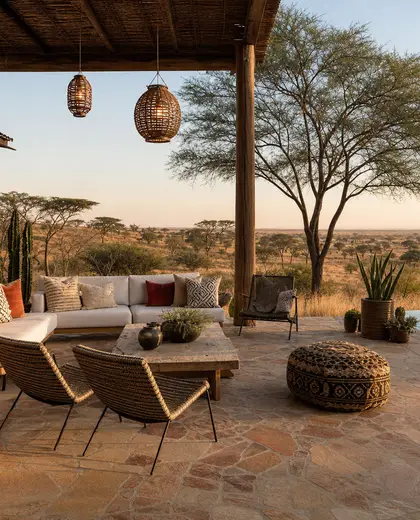
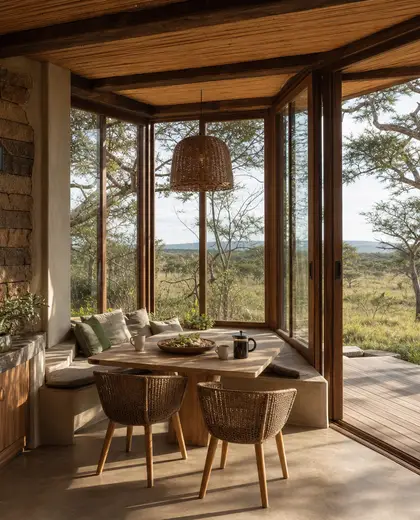
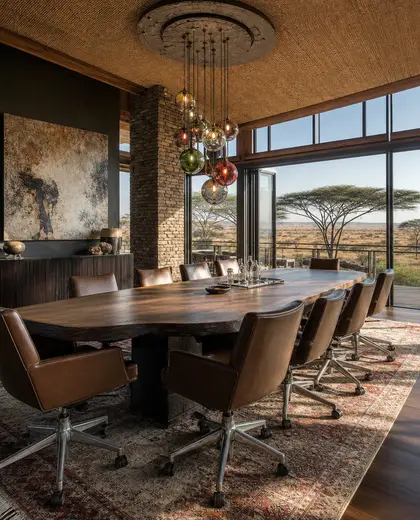
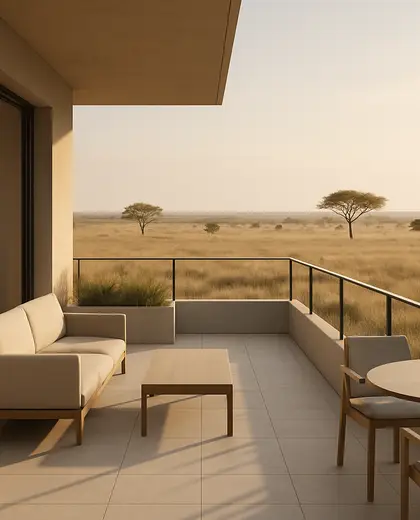
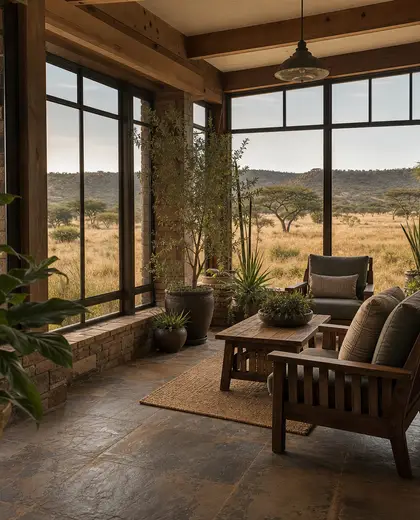
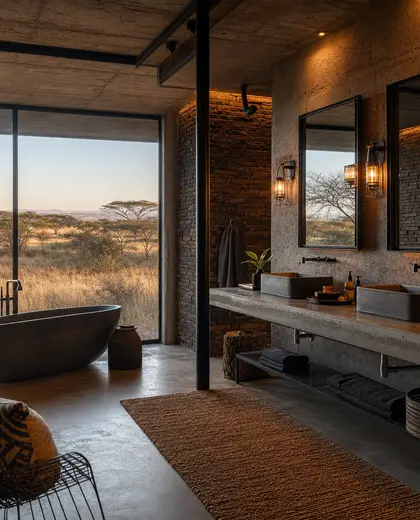
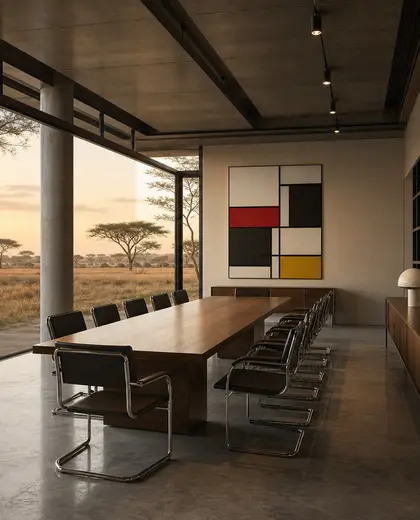
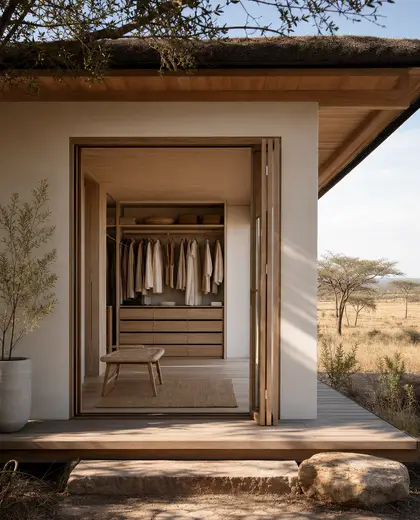
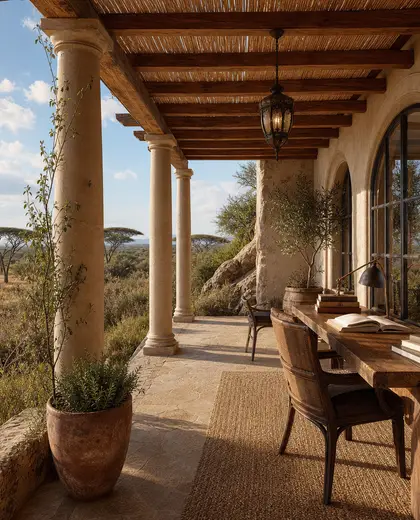
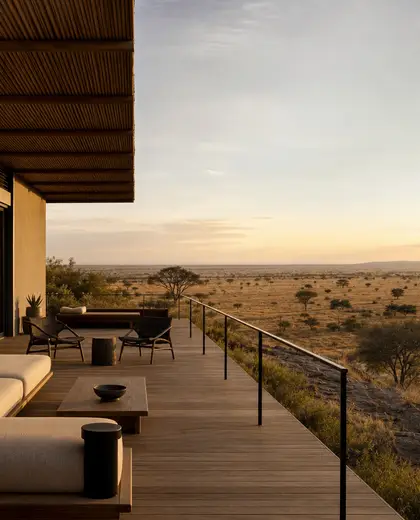
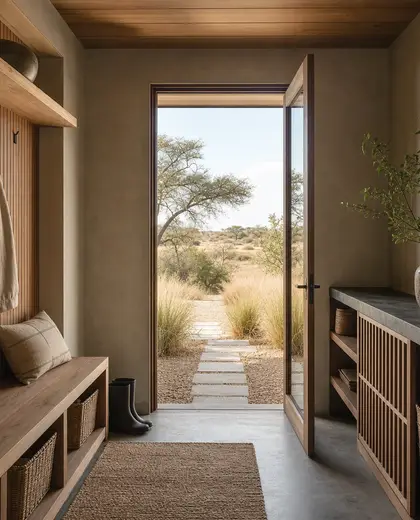
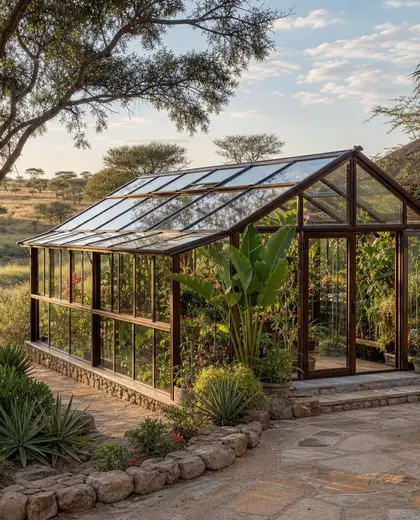
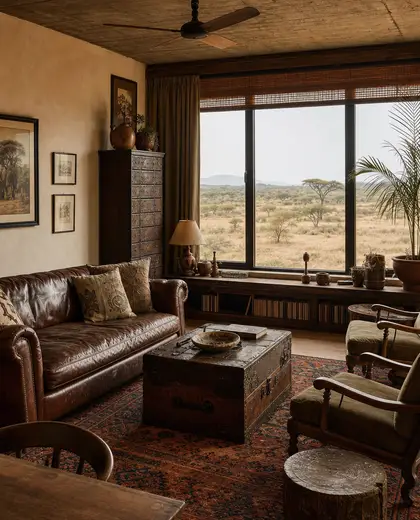
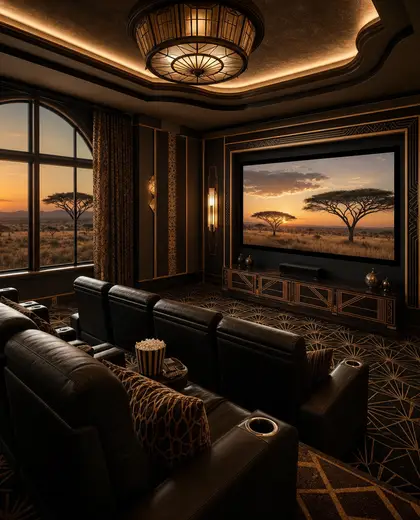
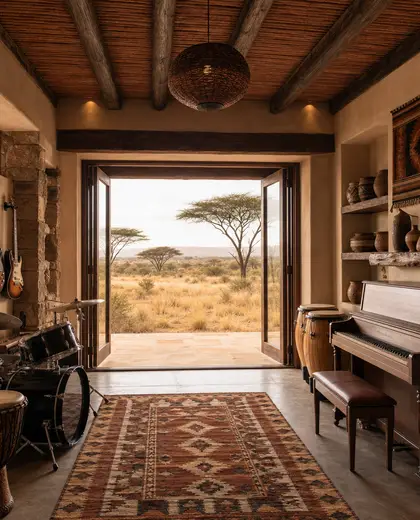
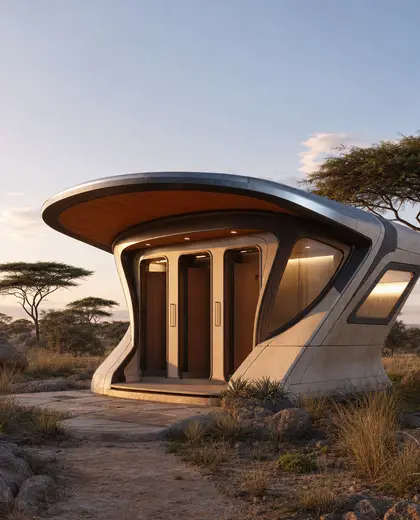
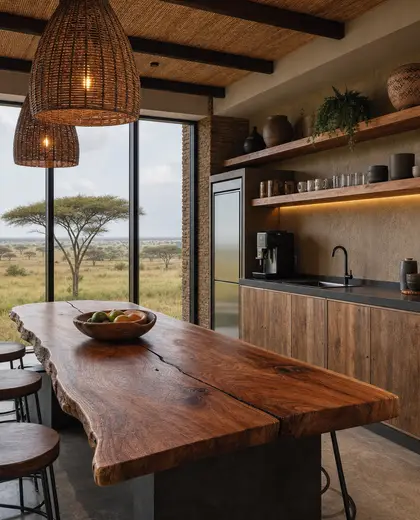
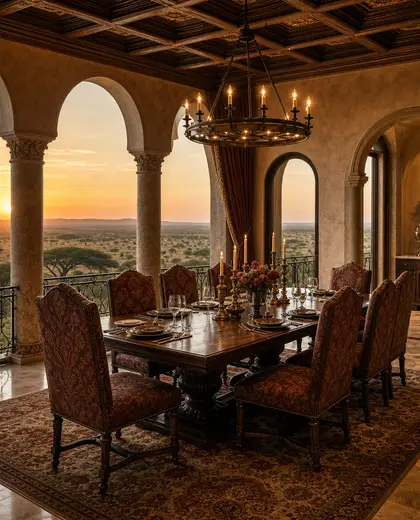
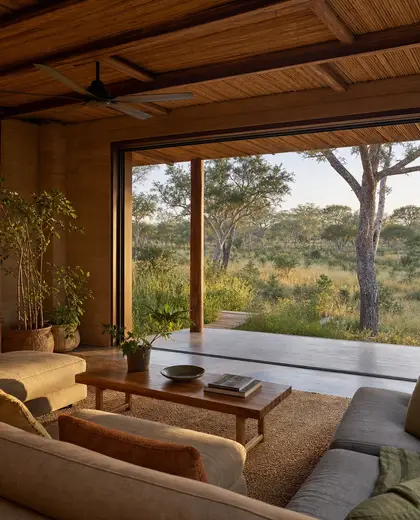
Savanna is defined by warm earth materials, matte finishes, and a grounded, sun-washed palette. It usually pairs textured plaster or clay surfaces with wood, stone, woven fibers, and low-contrast metal details. The composition feels open and dry, with simple forms and tactile layers rather than glossy surfaces or heavy ornament.
- savanna
— References
References to explore
Is savanna a good choice for a small home?
Yes, if you keep the palette light and the texture balanced. Too many heavy materials can make the space feel dense, so it works best with simple forms and natural light.
Does savanna have to look rustic?
No. It can be refined when the surfaces are smooth, the detailing is minimal, and the palette stays restrained. Rustic elements are optional, not required.
What should I avoid in a savanna interior?
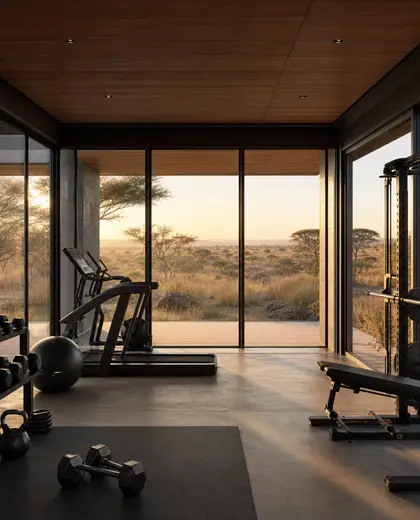
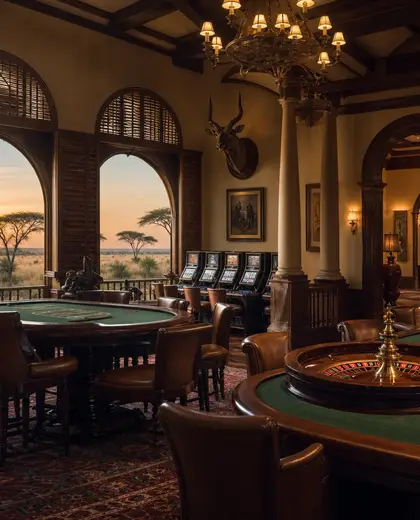
Avoid high-gloss finishes, cold stark whites, and overly saturated colors. Strong industrial surfaces can also weaken the soft, sun-baked feel of the composition.
— The style
What defines it
Textured plaster, clay, timber, stone, linen, rattan, and brushed metal are the most typical materials.
Sand, ochre, terracotta, camel, olive, and muted brown, often softened with ivory or charcoal accents.
Works well with organic modern, rustic, Mediterranean, and minimalist interiors that need warmth and texture.
— Professionals
Who has already built it
- Karavaan Homefurniture sellers · High Point · 4 projectsView profile →
- todd verwers architectsarchitects · San Diego · 6 projectsView profile →
- jacob galleslandscape designers · 6 projectsView profile →
- pfuner designinterior designers · 11 projectsView profile →
— Questions
Frequently asked questions
Is savanna a good choice for a small home?
Yes, if you keep the palette light and the texture balanced. Too many heavy materials can make the space feel dense, so it works best with simple forms and natural light.
Does savanna have to look rustic?
No. It can be refined when the surfaces are smooth, the detailing is minimal, and the palette stays restrained. Rustic elements are optional, not required.
What should I avoid in a savanna interior?
Avoid high-gloss finishes, cold stark whites, and overly saturated colors. Strong industrial surfaces can also weaken the soft, sun-baked feel of the composition.