— Ideas & inspiration
Urban composition
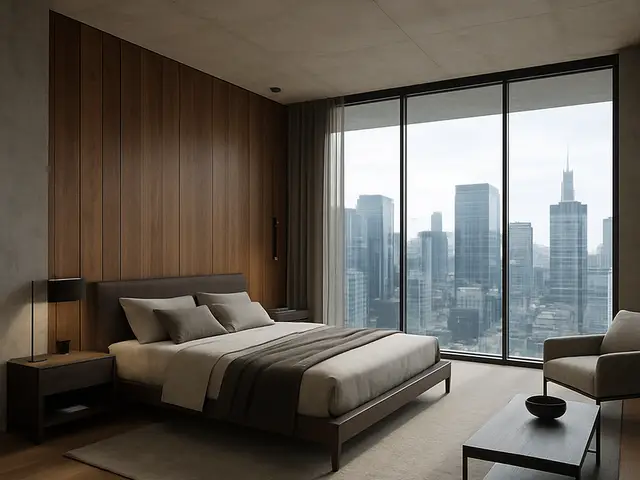
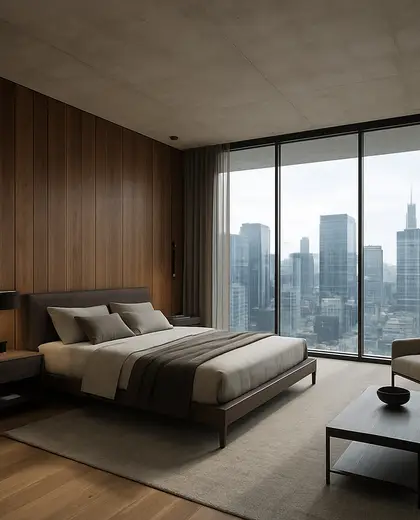
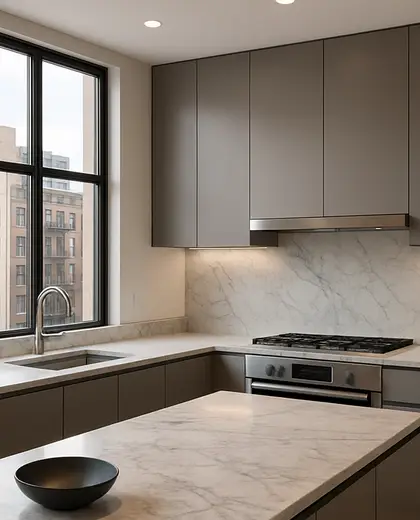
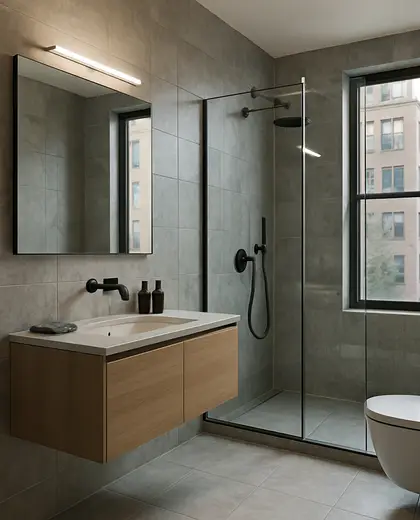
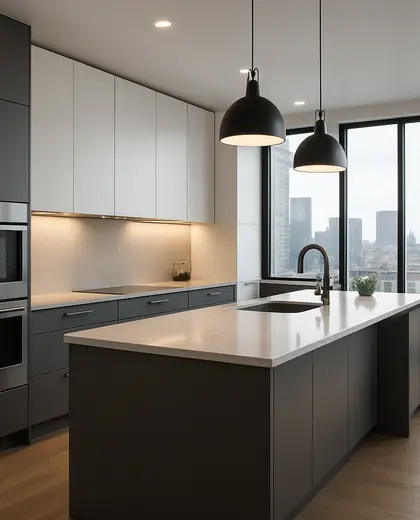
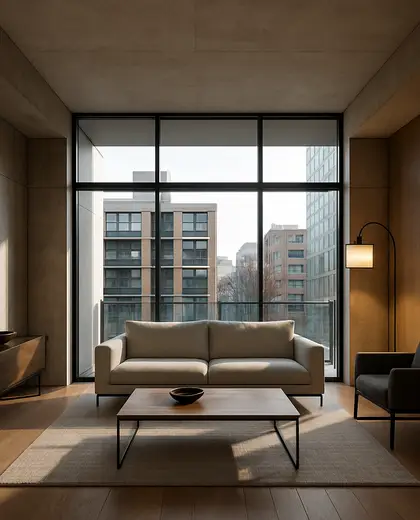
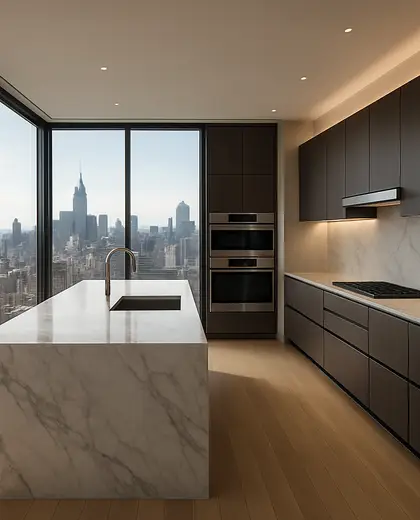
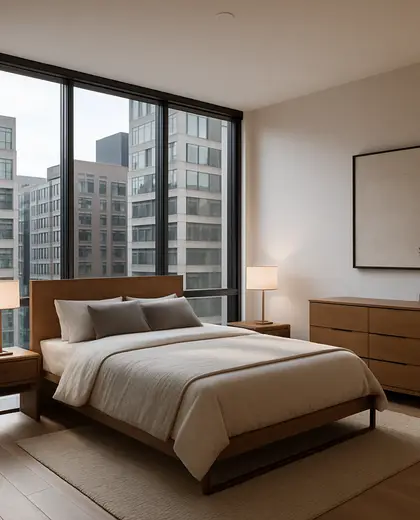
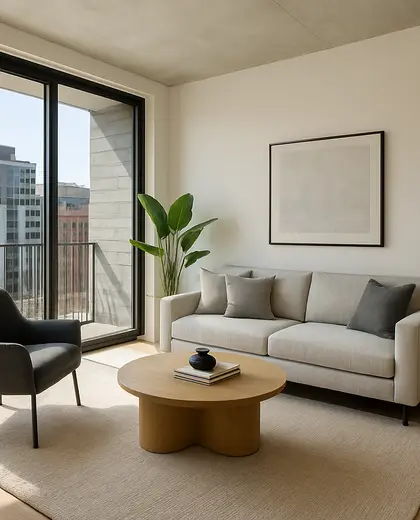
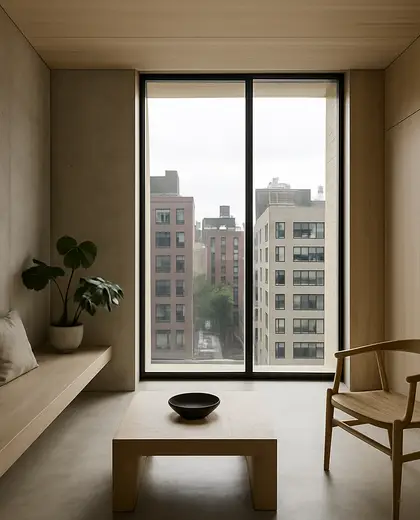
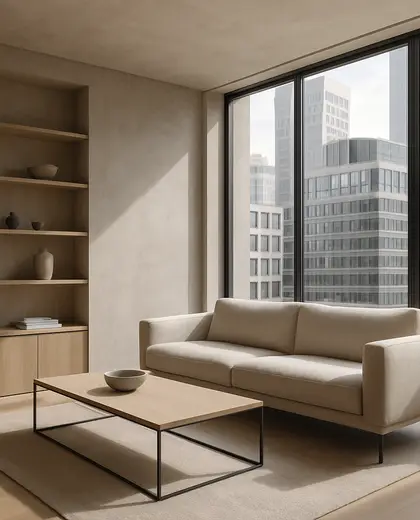
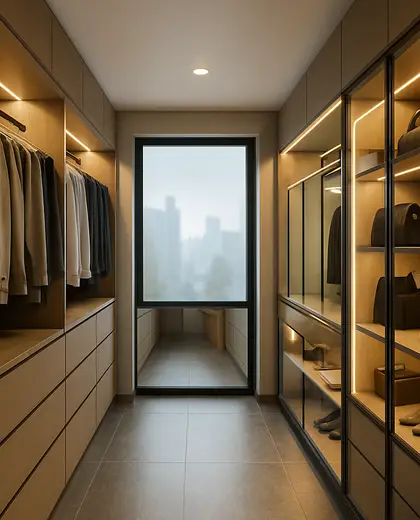
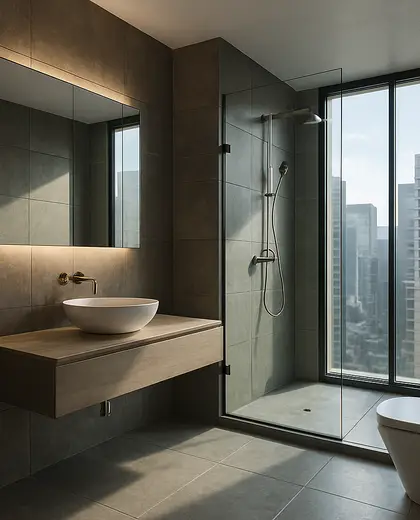
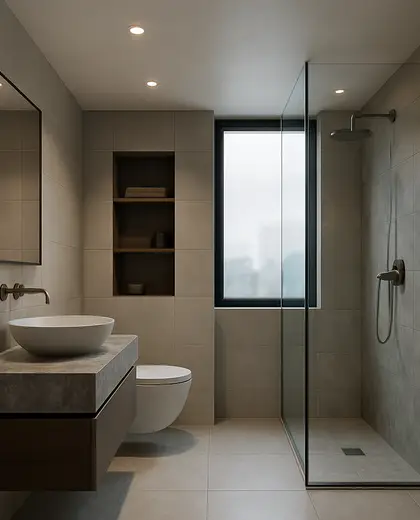
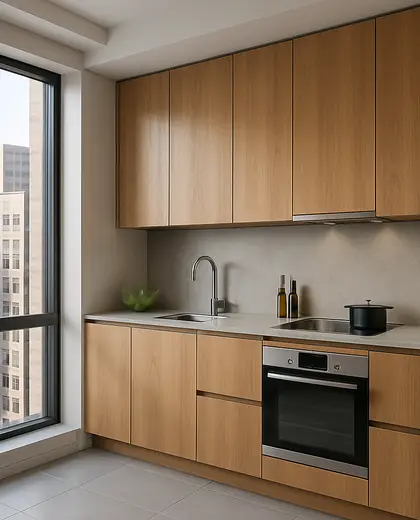
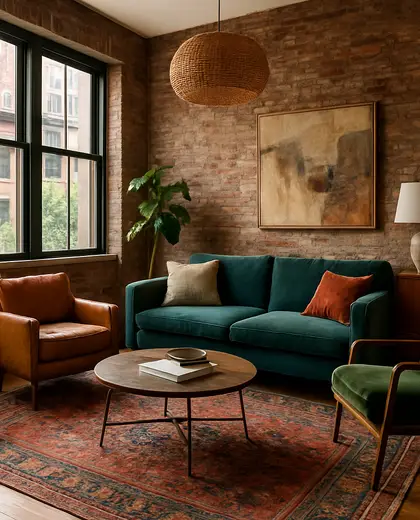
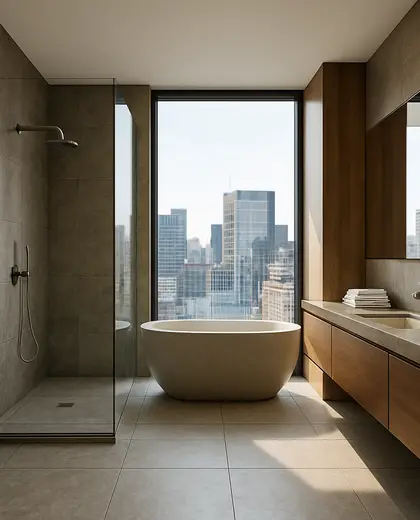
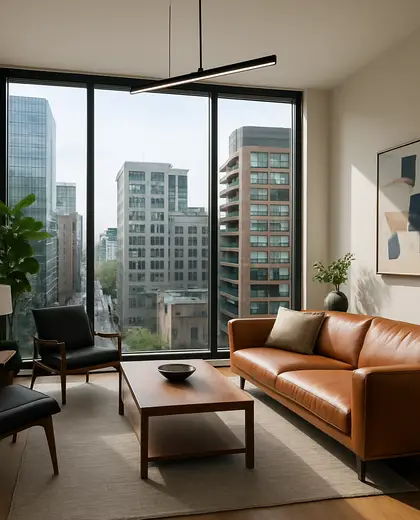
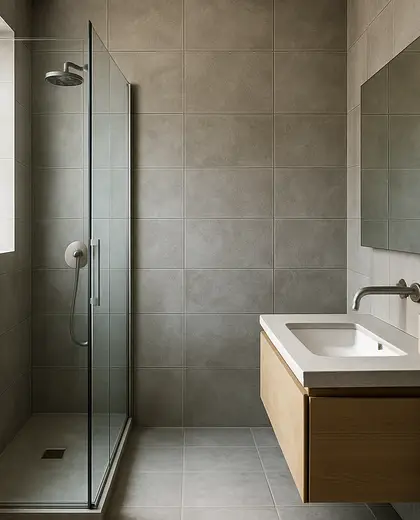
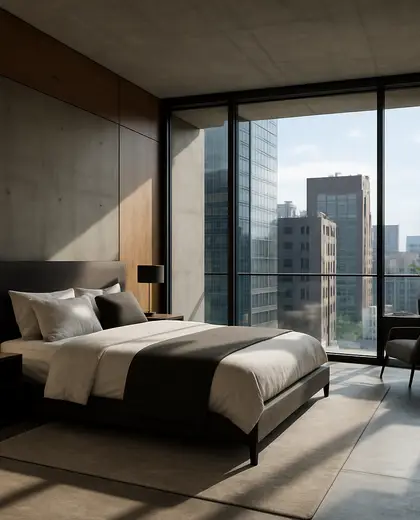
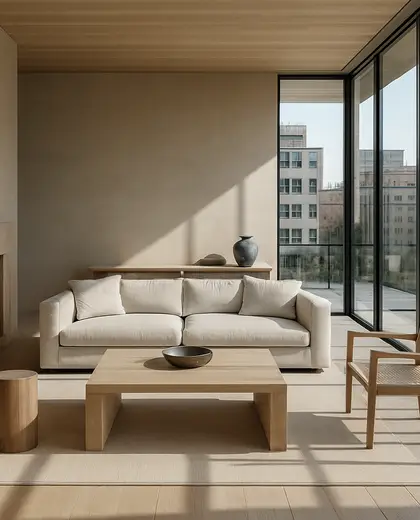
Urban composition is defined by hard-wearing, built-up materials such as concrete, steel, dark wood, brick, and glass. The palette usually stays neutral and muted: greys, black, charcoal, brown, and off-white, often with matte or weathered finishes. It is shaped by exposed structure, clean lines, large openings, and a restrained, industrial-influenced feel.
- urban
— References
References to explore
Is an urban composition always industrial-looking?
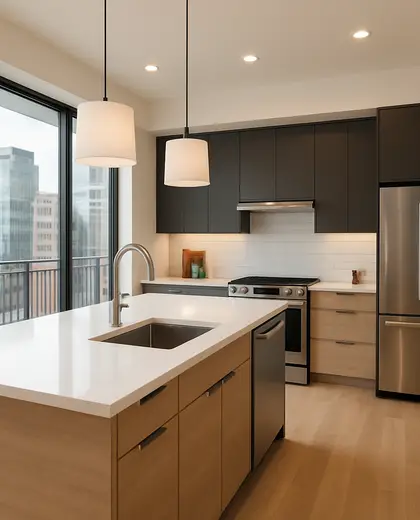
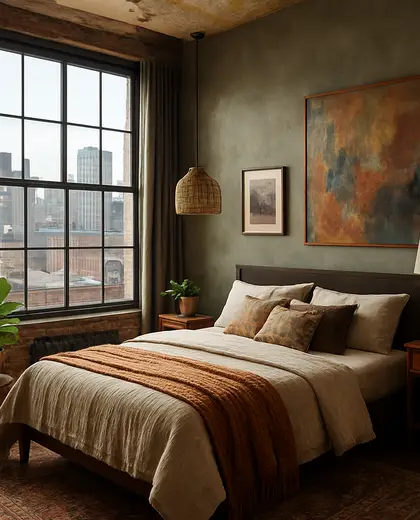
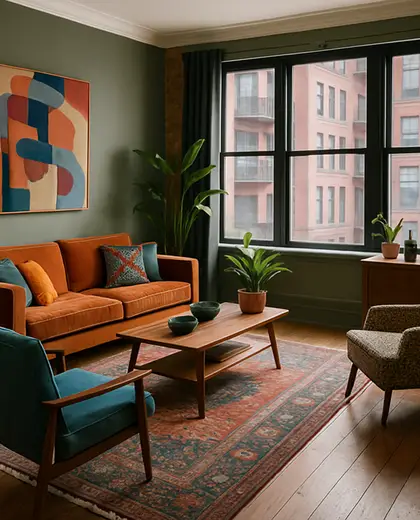
Not always. It often borrows industrial elements, but it can be softer and more refined if the materials are balanced with warmer wood, textiles, and cleaner detailing.
Does this style only work in city apartments or lofts?
No. It suits many homes, especially when there are open plans, tall windows, or a desire for a more structured, contemporary look.
How can I make it feel less cold?
Use warmer wood tones, layered lighting, textured rugs, and matte finishes. Keeping the palette restrained while adding tactile materials helps maintain the urban character without feeling stark.
— The style
What defines it
Concrete, steel, brick, glass, dark-stained wood, and stone are the most common surfaces and structural accents.
Mostly greys, black, charcoal, warm brown, and off-white, with low-sheen, slightly weathered textures.
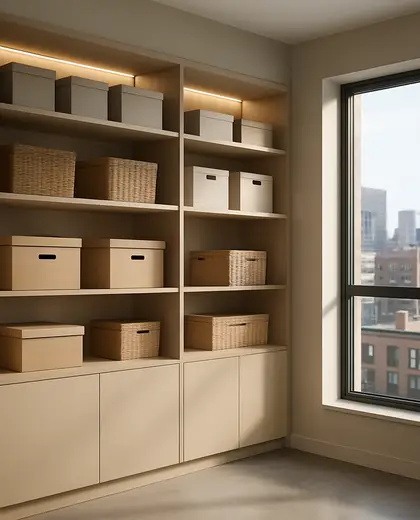
It pairs well with loft layouts, minimalist cabinetry, metal detailing, large glazing, and occasional softer elements like leather or textured textiles.
— Professionals
Who has already built it
- Karavaan Homefurniture sellers · High Point · 4 projectsView profile →
- todd verwers architectsarchitects · San Diego · 6 projectsView profile →
- jacob galleslandscape designers · 6 projectsView profile →
- pfuner designinterior designers · 11 projectsView profile →
— Questions
Frequently asked questions
Is an urban composition always industrial-looking?
Not always. It often borrows industrial elements, but it can be softer and more refined if the materials are balanced with warmer wood, textiles, and cleaner detailing.
Does this style only work in city apartments or lofts?
No. It suits many homes, especially when there are open plans, tall windows, or a desire for a more structured, contemporary look.
How can I make it feel less cold?
Use warmer wood tones, layered lighting, textured rugs, and matte finishes. Keeping the palette restrained while adding tactile materials helps maintain the urban character without feeling stark.