— Ideas & inspiration
Vintage
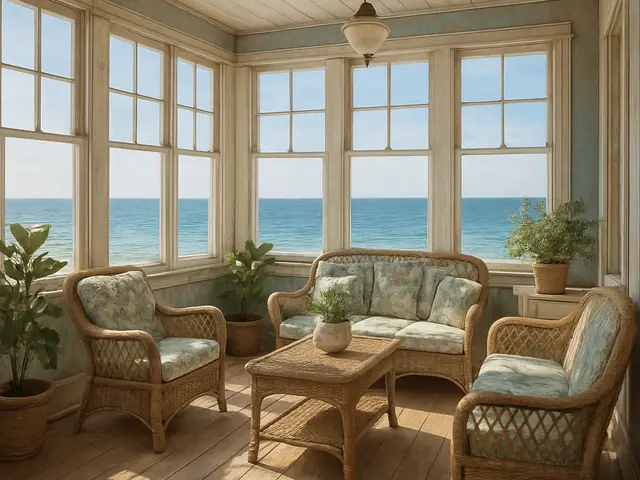
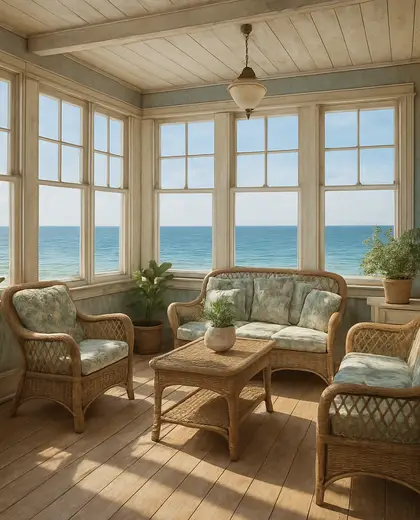
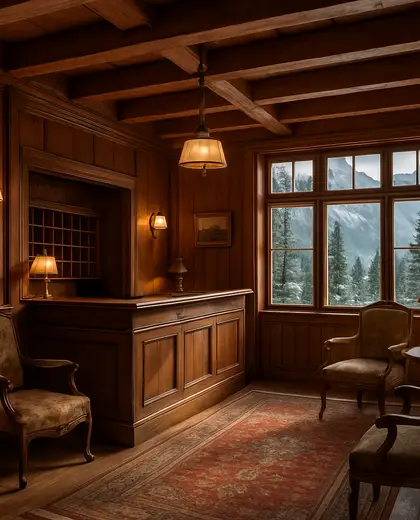
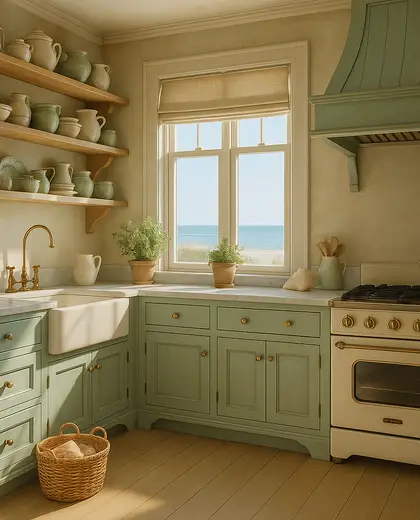
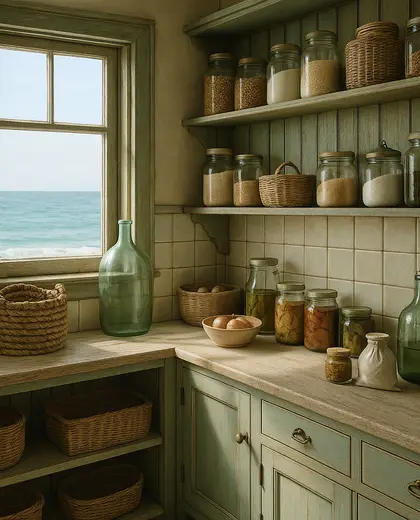
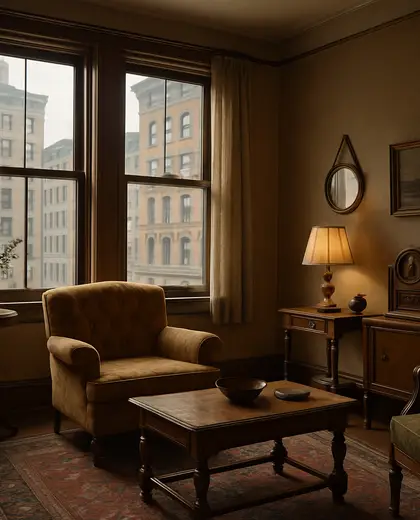
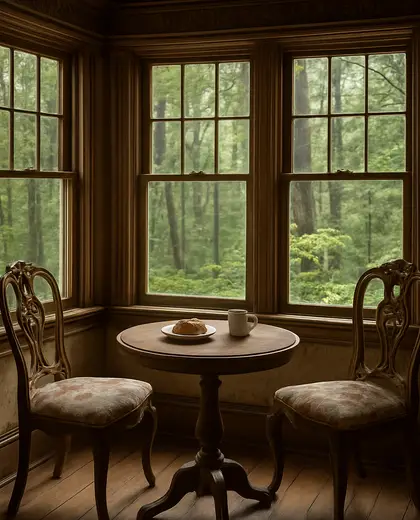
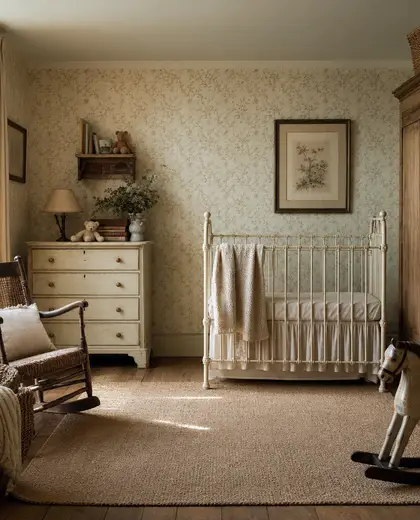
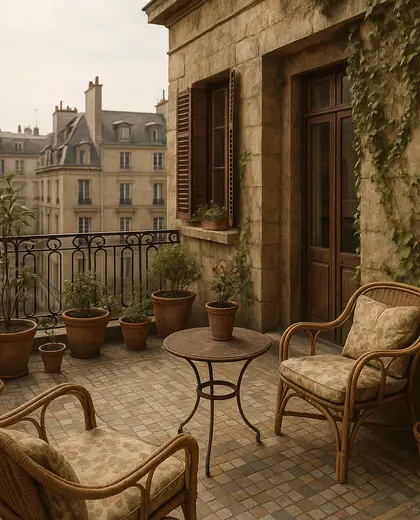
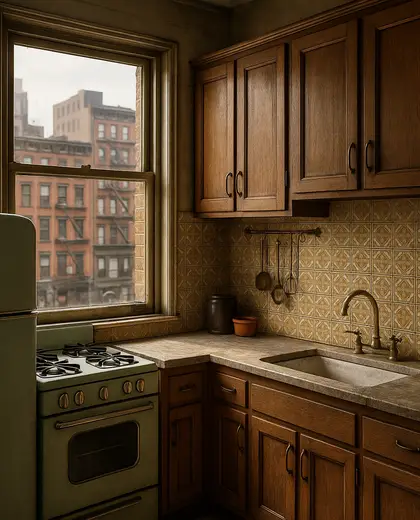
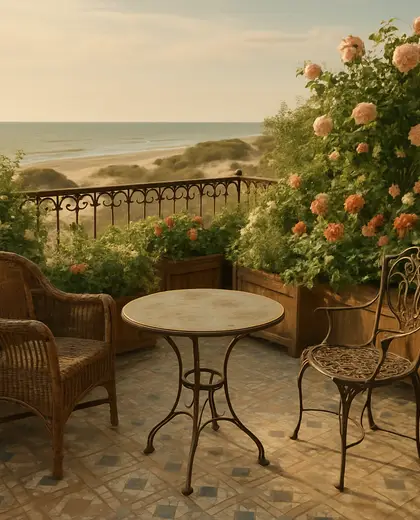
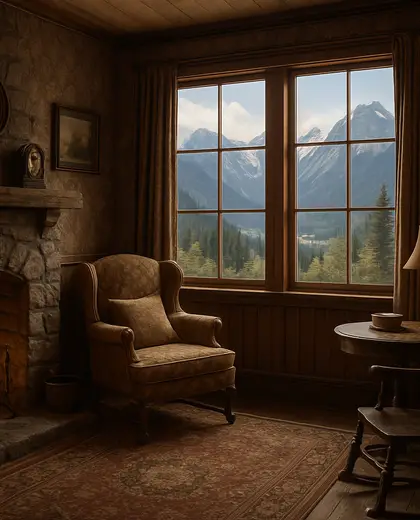
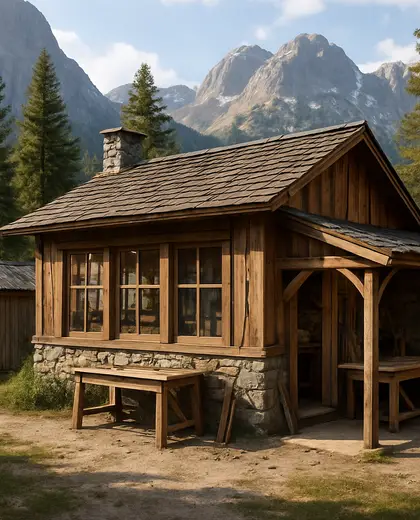
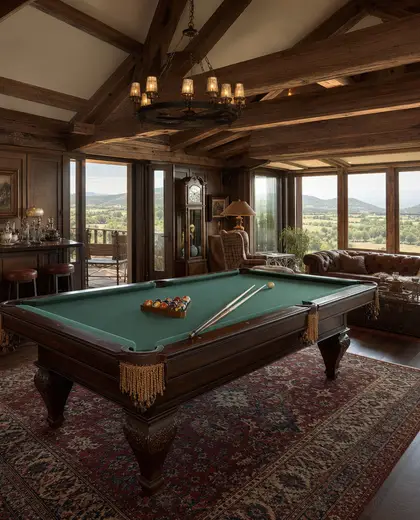
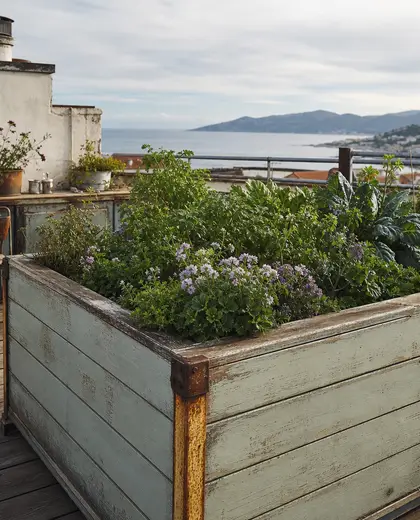
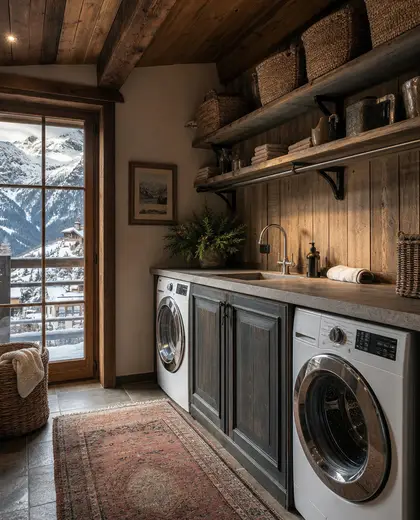
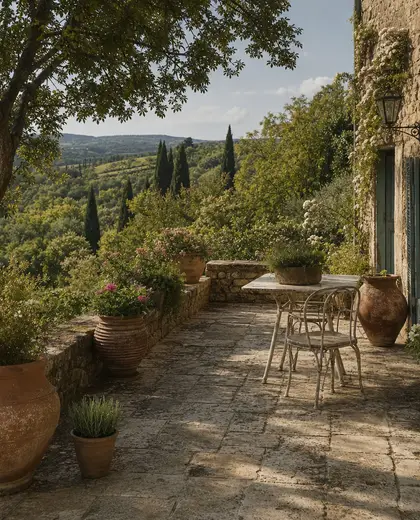
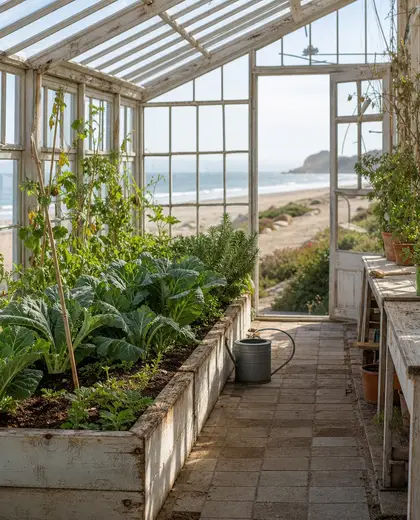
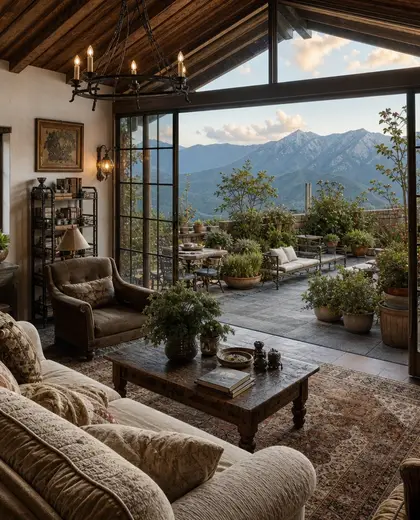
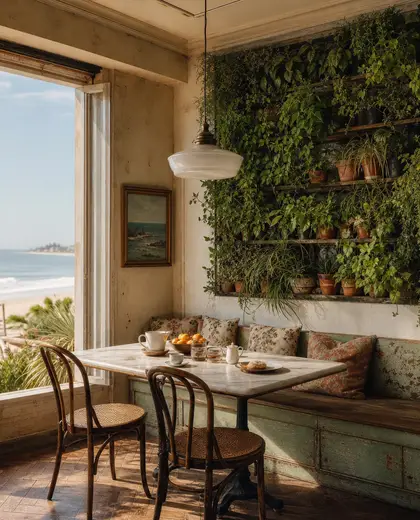
Vintage composition is defined by aged materials, visible patina, and furniture or details with a clear historical reference. Common elements include wood with wear, brass or aged metal, patterned textiles, and ceramics or glass with a collected look. The palette usually stays warm and muted, with cream, brown, olive, burgundy, dusty blue, and faded neutrals.
- vintage
— References
References to explore
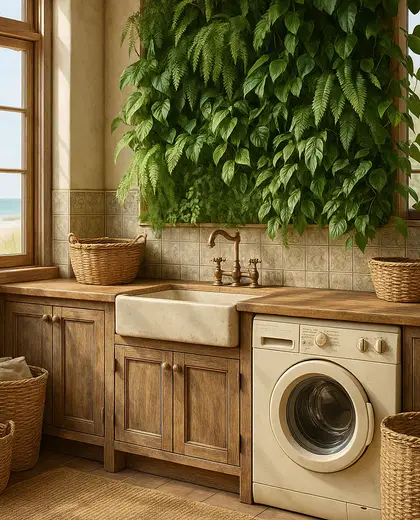
How do I make a room feel vintage without looking like a themed set?
Use a few older-looking pieces with real patina, then keep the rest of the room simple. Mixing vintage with contemporary furniture helps it feel natural.

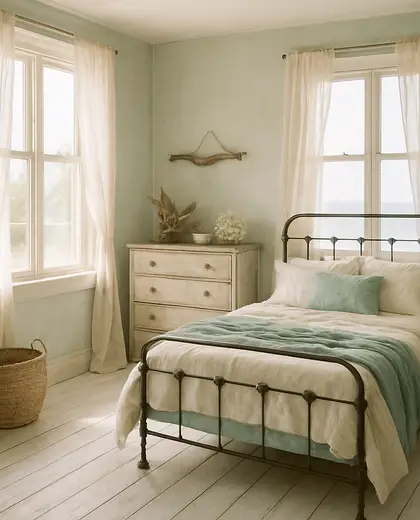
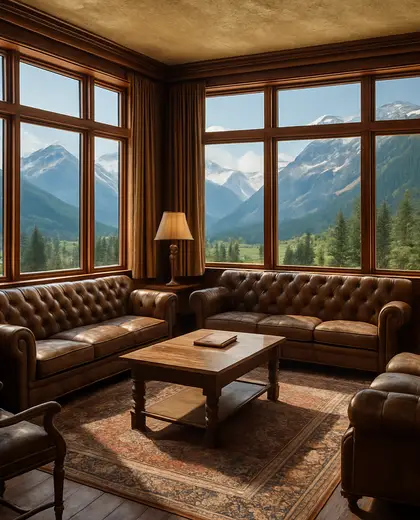
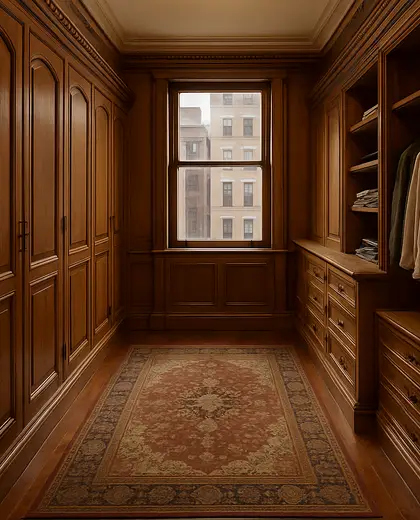
What finishes work best in a vintage interior?
Matte, worn, brushed, and softly reflective finishes work best. Highly glossy surfaces usually feel less authentic unless used sparingly.
Can vintage work in a small apartment or modern home?
Yes, if you limit the number of statement pieces and keep the palette restrained. A single vintage cabinet, lamp, or textile can give the room character without overwhelming it.
— The style
What defines it
Aged wood, brass, iron, velvet, linen, ceramic, and patterned tile are common choices, often with worn or matte finishes.
Warm neutrals, tobacco brown, cream, olive, muted blue, rust, and faded jewel tones keep the look soft and lived-in.
It pairs well with modern minimal, rustic, classic, and eclectic interiors when balanced with simpler forms and fewer decorative layers.
— Professionals
Who has already built it


- Karavaan Homefurniture sellers · High Point · 4 projectsView profile →
— Explore
Keep exploring
— Questions
Frequently asked questions
How do I make a room feel vintage without looking like a themed set?
Use a few older-looking pieces with real patina, then keep the rest of the room simple. Mixing vintage with contemporary furniture helps it feel natural.
What finishes work best in a vintage interior?
Matte, worn, brushed, and softly reflective finishes work best. Highly glossy surfaces usually feel less authentic unless used sparingly.
Can vintage work in a small apartment or modern home?
Yes, if you limit the number of statement pieces and keep the palette restrained. A single vintage cabinet, lamp, or textile can give the room character without overwhelming it.