— Ideas & inspiration
Warehouse composition
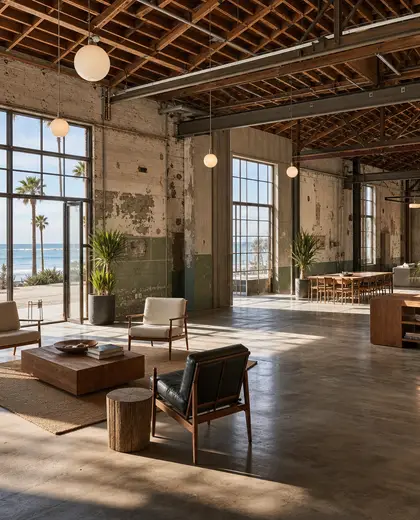
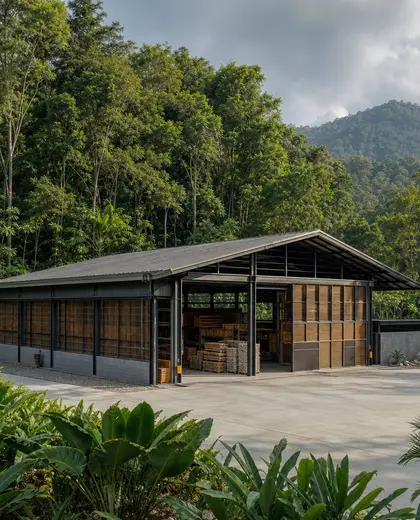
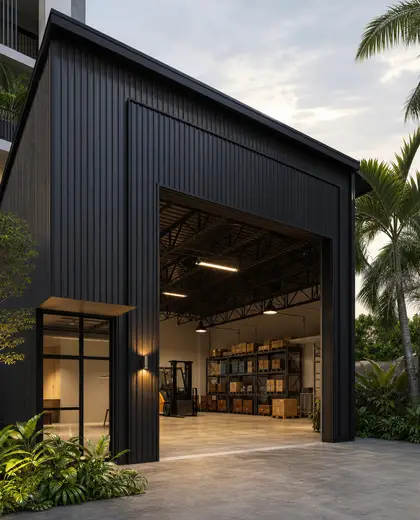
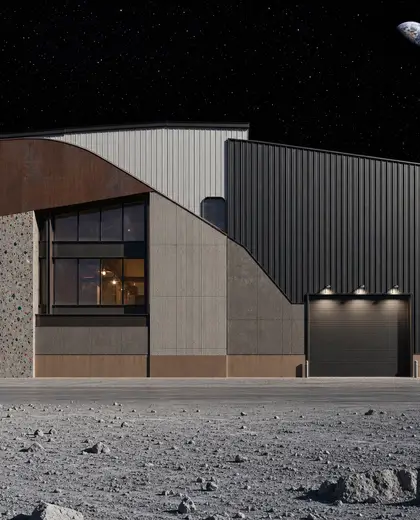
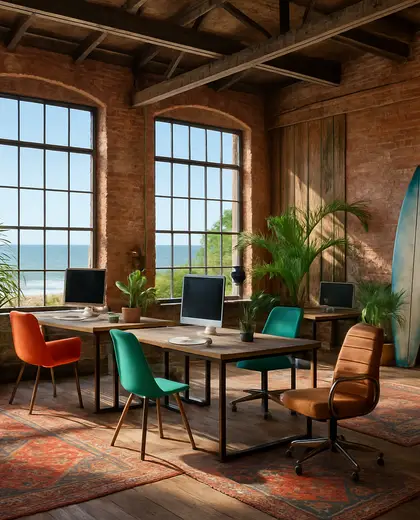
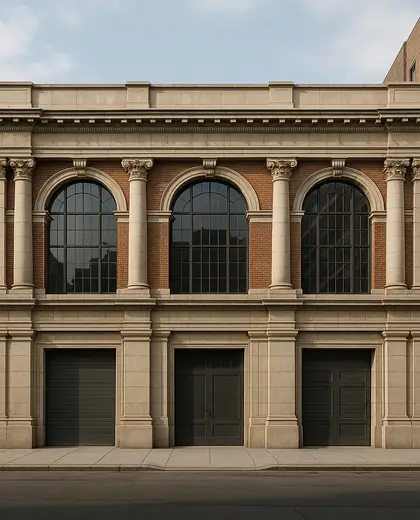
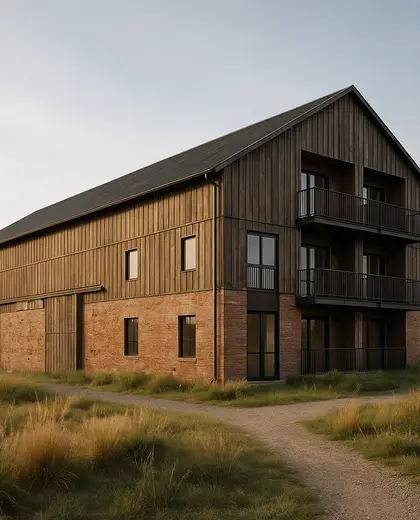
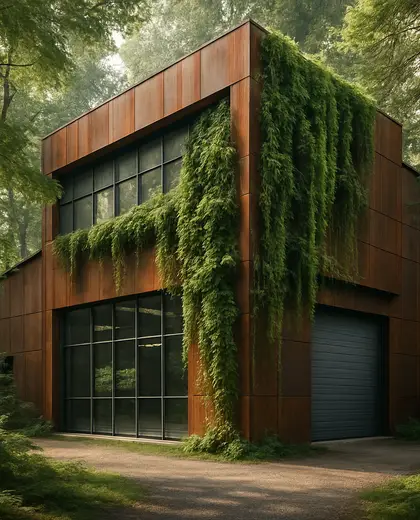
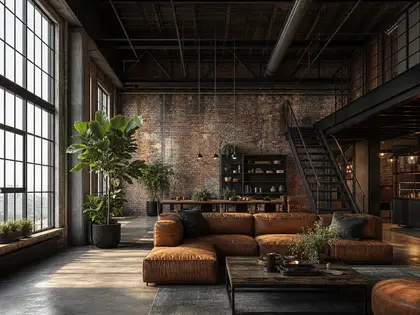
A warehouse composition is defined by exposed structure, large open spans, and durable industrial finishes. Common materials include steel, concrete, brick, reclaimed wood, and glass, with visible beams, ducts, and service lines often left exposed. The palette is usually restrained: gray, black, brown, and off-white, with matte or weathered surfaces.
- warehouse

— References
References to explore



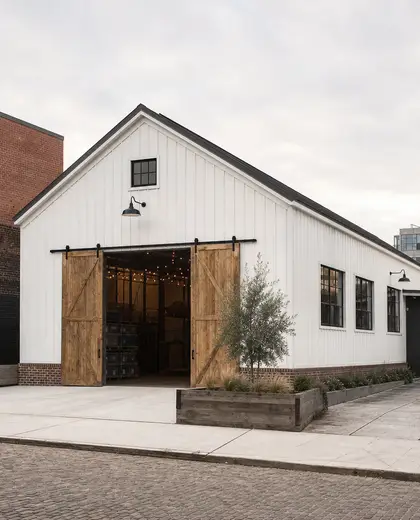
Will a warehouse composition make my home feel cold?
It can feel cool or stark if everything is left hard and dark. Adding timber, textiles, warm lighting, and a few softer furnishings helps balance the industrial shell.
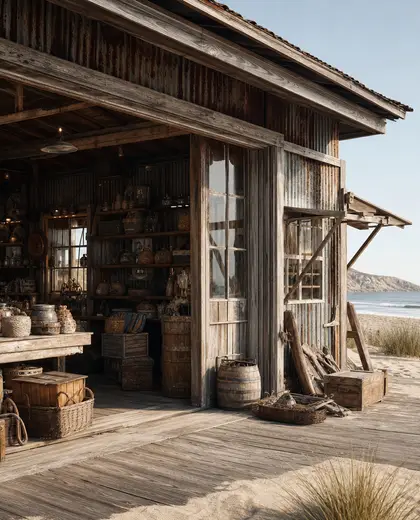



Does this style require an actual warehouse building?
No. The look can be created in a standard home by using exposed materials, open layouts, metal details, and industrial-style finishes.
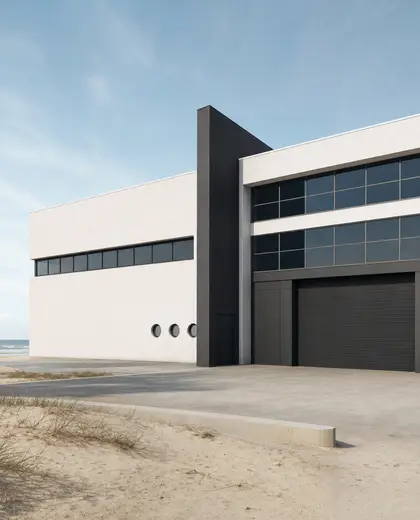

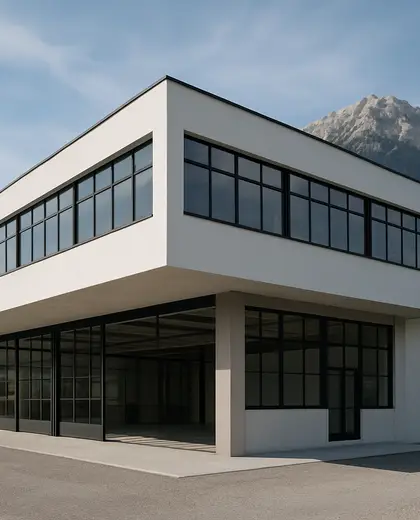

Is this composition practical for everyday living?
Yes, as long as storage, acoustic comfort, and heating or cooling are planned carefully. Open volumes and hard surfaces can be beautiful, but they need thoughtful detailing to feel livable.




— The style
What defines it
Steel frames, concrete floors, brick walls, timber, and glass are the core materials, often left in a raw or minimally refined state.
Neutral and muted tones dominate: charcoal, graphite, warm brown, cement gray, and occasional rust or black accents.
It pairs well with loft layouts, oversized glazing, industrial lighting, leather, metal shelving, and simple contemporary furniture.
— Professionals
Who has already built it
- pfuner designinterior designers · 11 projectsView profile →
- annilee b watermanarchitects · Wylie · 6 projectsView profile →
- Karavaan Homefurniture sellers · High Point · 4 projectsView profile →
- jacob galleslandscape designers · 6 projectsView profile →
— Questions
Frequently asked questions
Will a warehouse composition make my home feel cold?
It can feel cool or stark if everything is left hard and dark. Adding timber, textiles, warm lighting, and a few softer furnishings helps balance the industrial shell.
Does this style require an actual warehouse building?
No. The look can be created in a standard home by using exposed materials, open layouts, metal details, and industrial-style finishes.
Is this composition practical for everyday living?
Yes, as long as storage, acoustic comfort, and heating or cooling are planned carefully. Open volumes and hard surfaces can be beautiful, but they need thoughtful detailing to feel livable.