— Ideas & inspiration
Youth Room
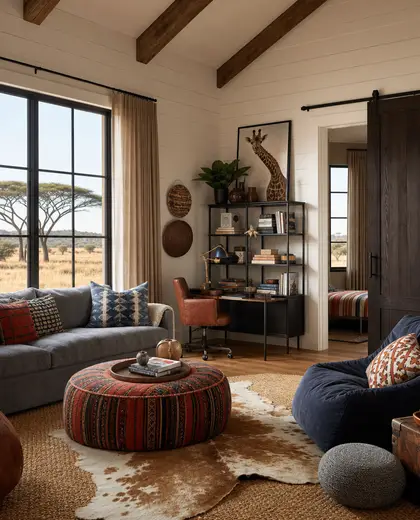
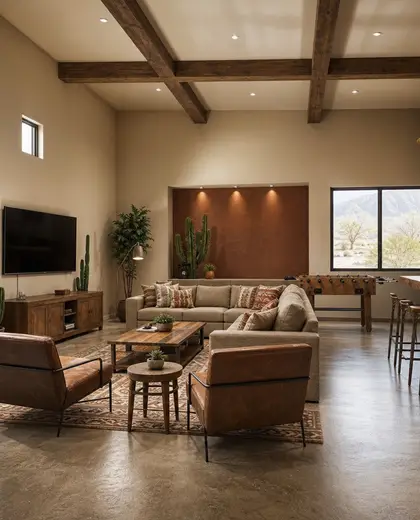
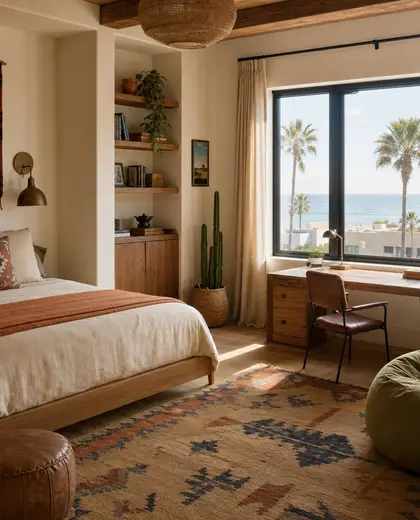
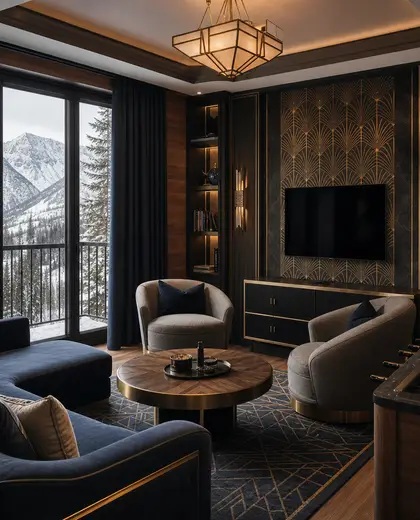
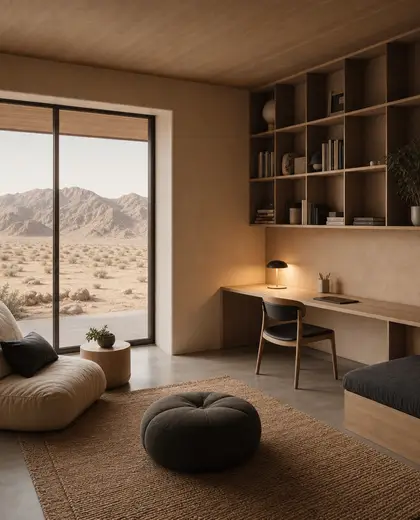
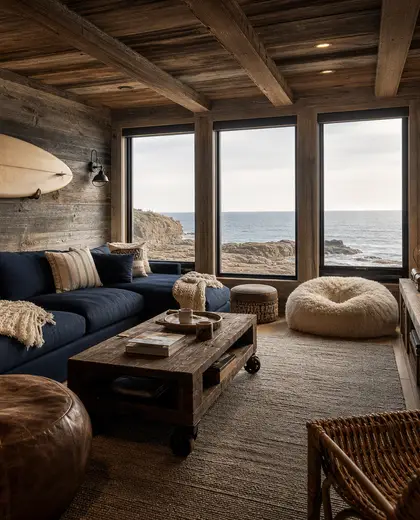
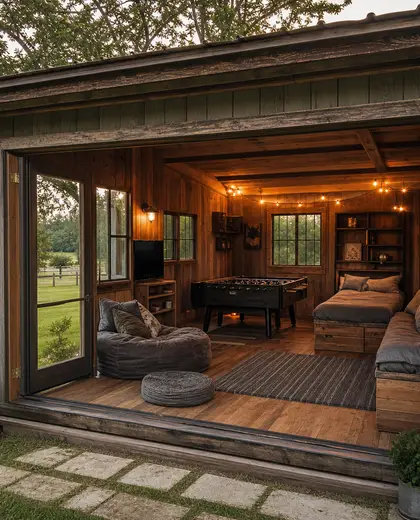
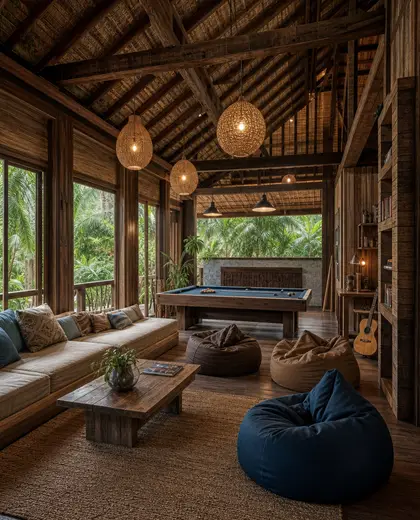
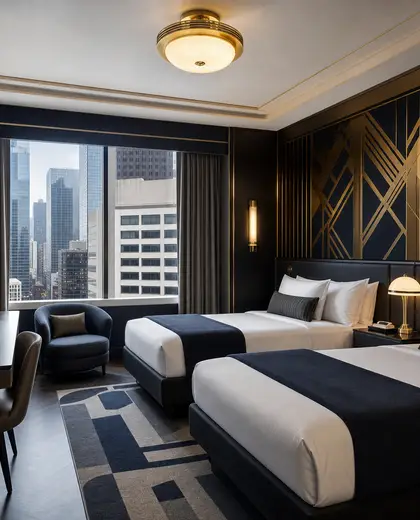
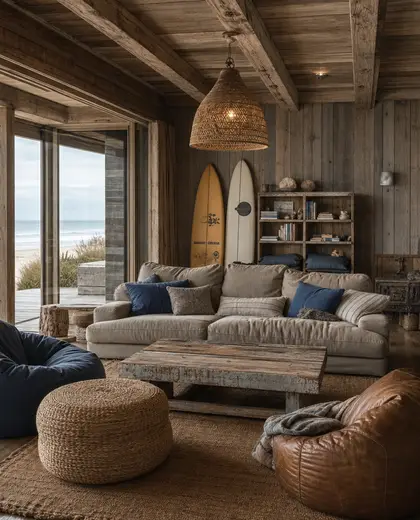
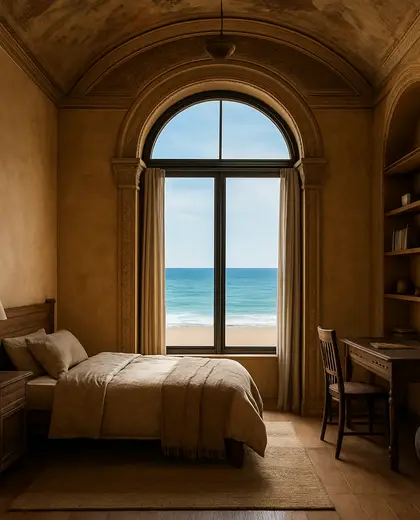
A youth room is defined by durable, adaptable furnishings, easy-clean surfaces, and storage that can handle changing needs. It often uses laminated wood, painted MDF, metal accents, and washable textiles in a palette of neutrals, soft pastels, or stronger accent colors. The composition usually includes a bed or daybed, desk, open shelving, and flexible lighting to support sleep, study, and leisure.
- youth room
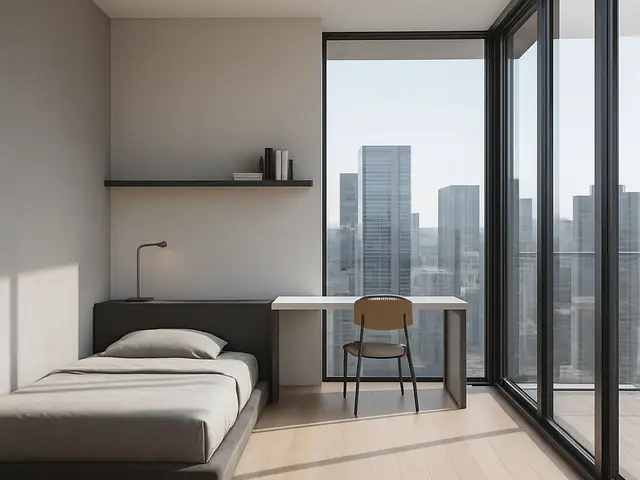
— References
References to explore
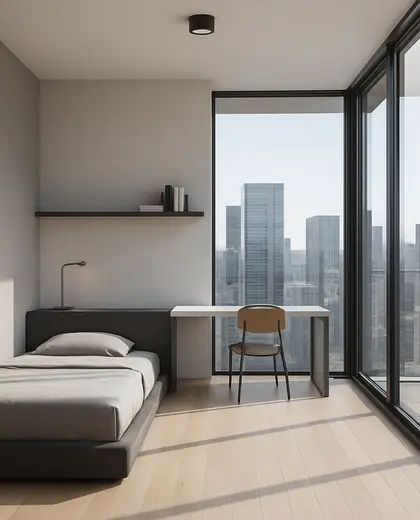
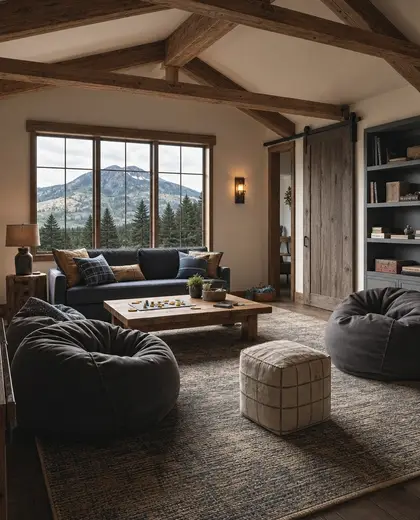
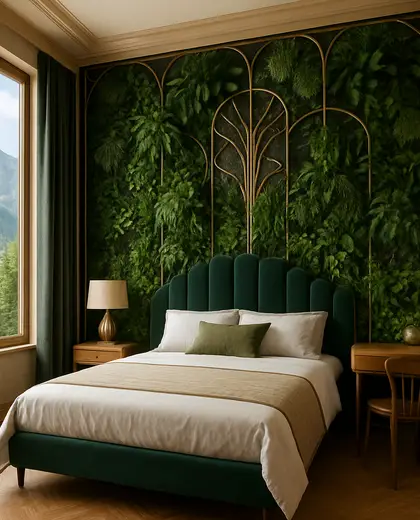
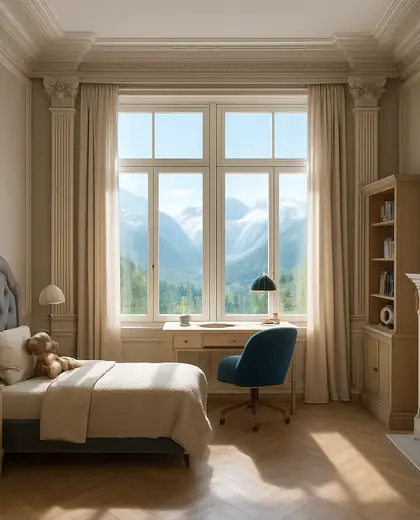
What makes a youth room different from a regular bedroom?
A youth room usually mixes sleeping, studying, and storage in one layout, with furniture and finishes chosen for durability and flexibility rather than decoration alone.
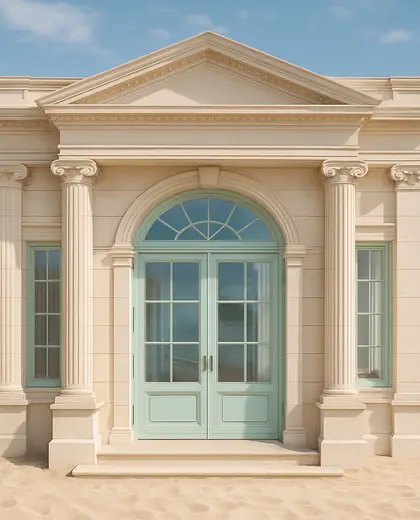
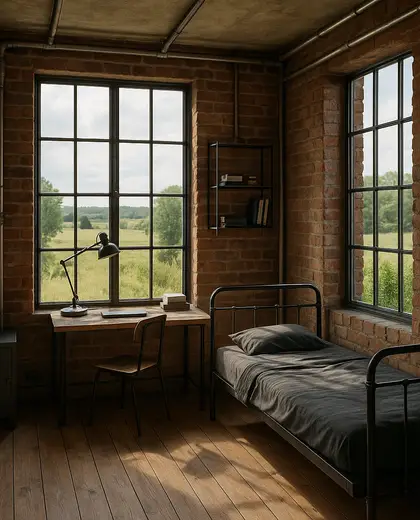
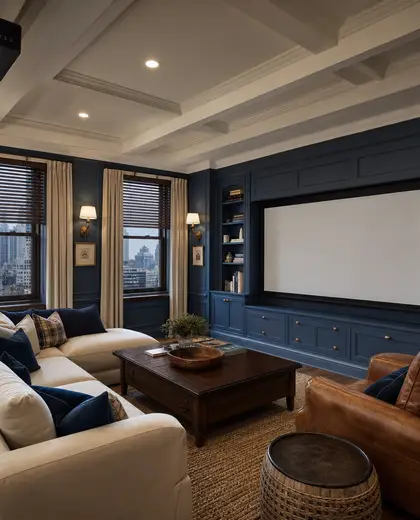
Which colors work best in a youth room?
Neutral bases are the safest choice, because they stay easy to update. You can add color through bedding, wall accents, or accessories so the room can change over time.
What furniture should I prioritize?
Start with a comfortable bed, a proper desk, and enough closed storage to reduce clutter. After that, add shelves, a reading chair, or modular pieces depending on the room’s size.
— The style
What defines it
Laminated wood, MDF, powder-coated metal, cotton, and other washable textiles are common because they are practical and hard-wearing.
Most youth rooms use light neutrals as a base, then add pastel tones or brighter accents for energy and personalization.
It pairs well with compact storage, task lighting, pegboards, rugs, and modular furniture that can evolve as the user grows.
— Professionals
Who has already built it
- john allegrettiarchitects · 6 projectsView profile →
- pfuner designinterior designers · 11 projectsView profile →
- Karavaan Homefurniture sellers · High Point · 4 projectsView profile →
- jacob galleslandscape designers · 6 projectsView profile →
— Questions
Frequently asked questions
What makes a youth room different from a regular bedroom?
A youth room usually mixes sleeping, studying, and storage in one layout, with furniture and finishes chosen for durability and flexibility rather than decoration alone.
Which colors work best in a youth room?
Neutral bases are the safest choice, because they stay easy to update. You can add color through bedding, wall accents, or accessories so the room can change over time.
What furniture should I prioritize?
Start with a comfortable bed, a proper desk, and enough closed storage to reduce clutter. After that, add shelves, a reading chair, or modular pieces depending on the room’s size.