— Ideas & inspiration
Rest room
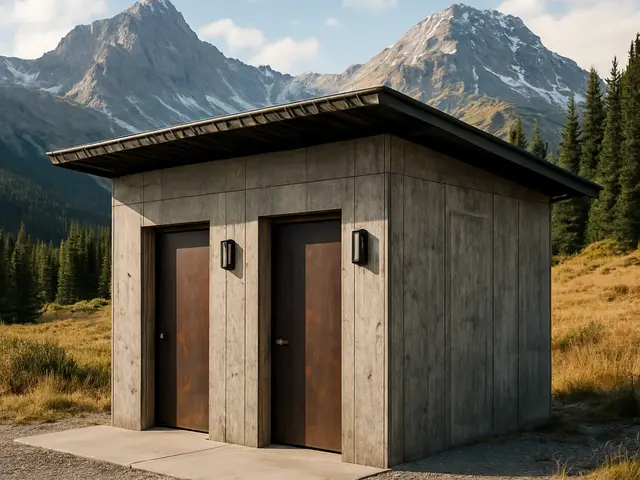
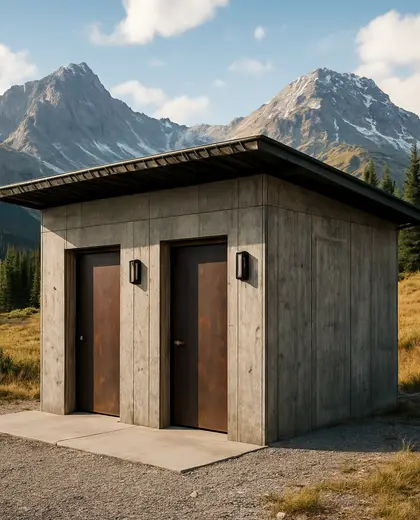
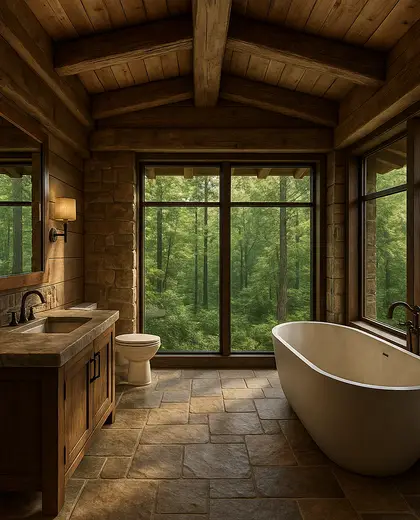
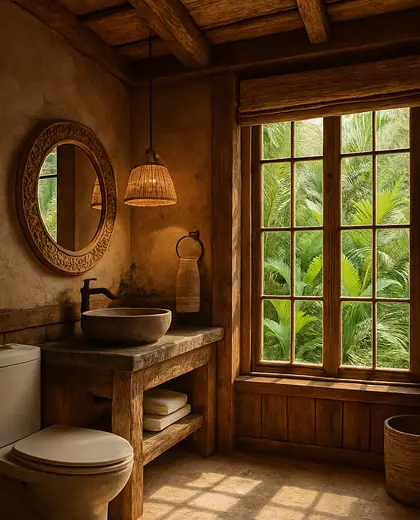
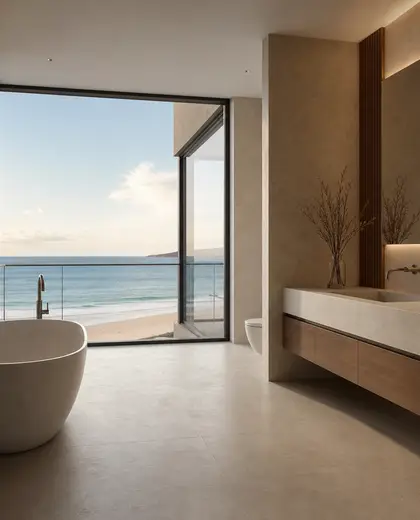
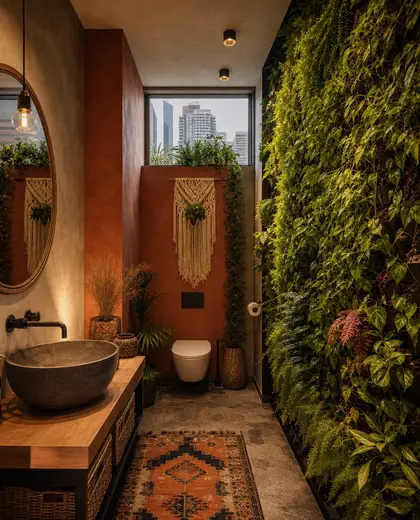
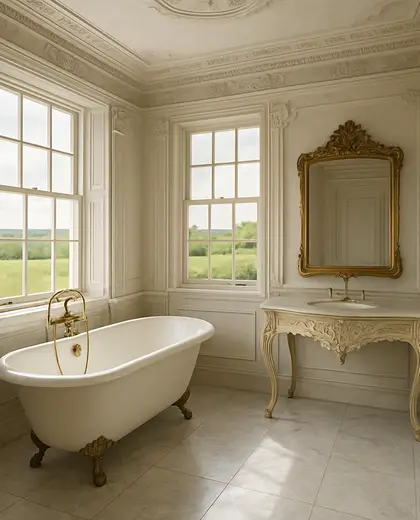
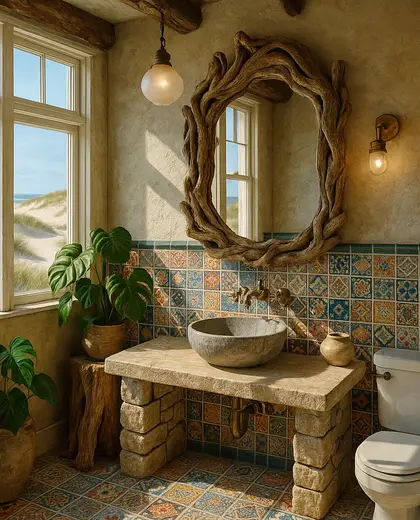
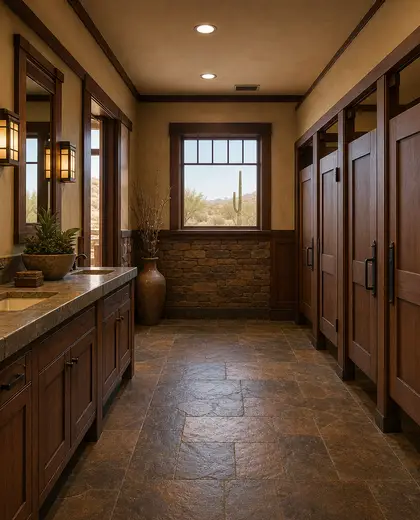
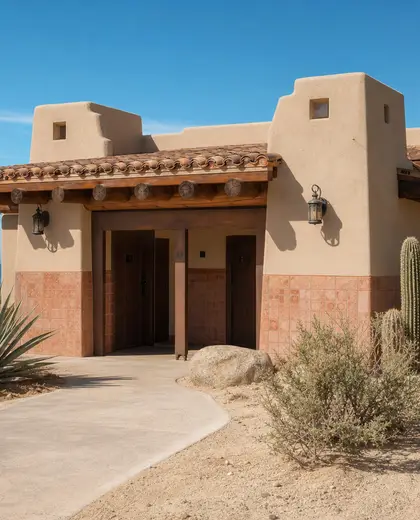
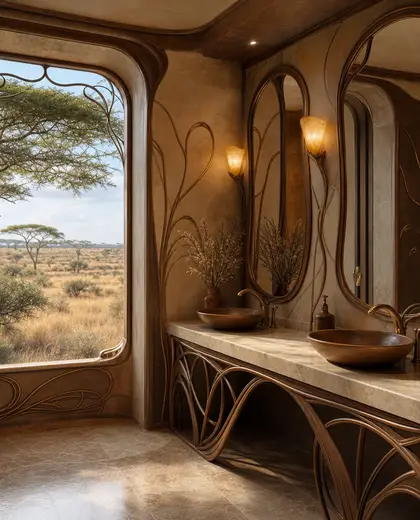
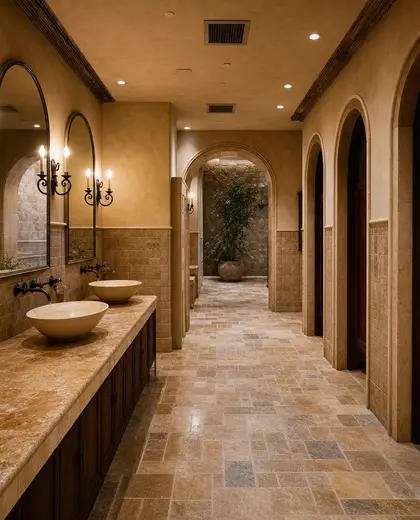
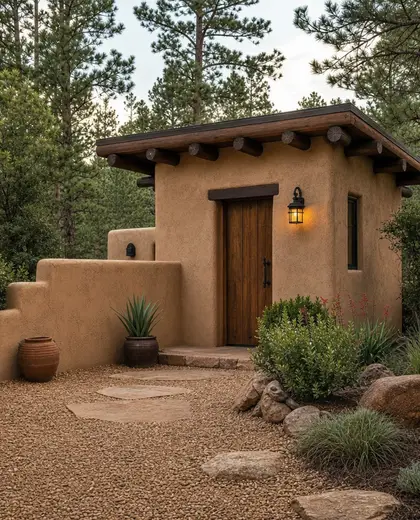
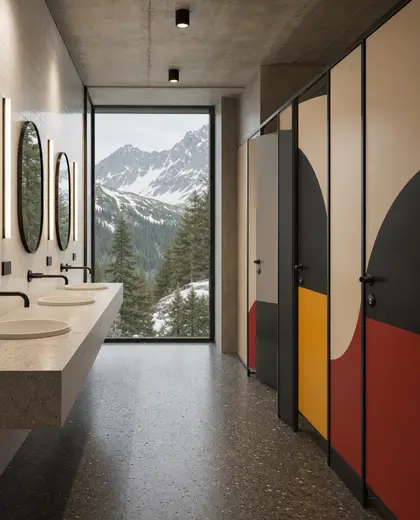
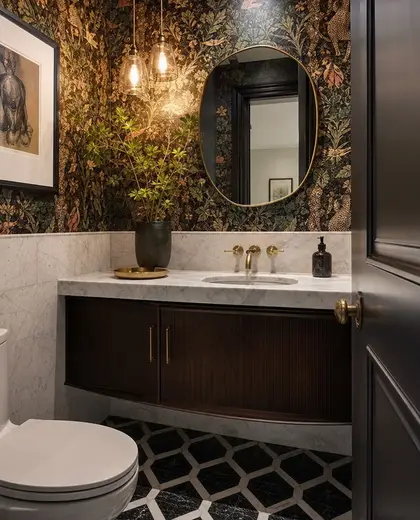
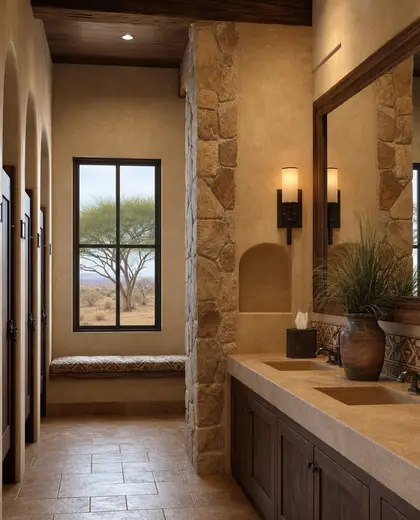
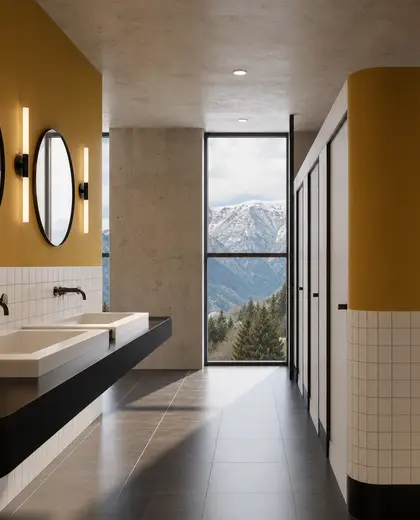
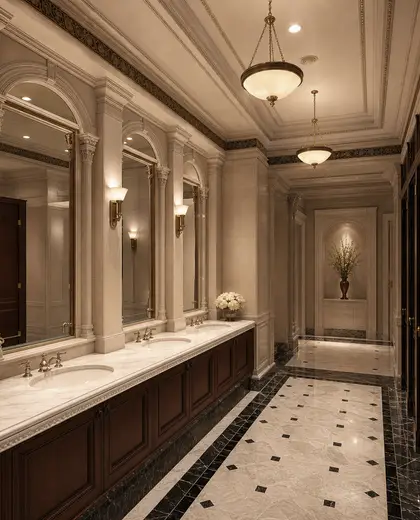
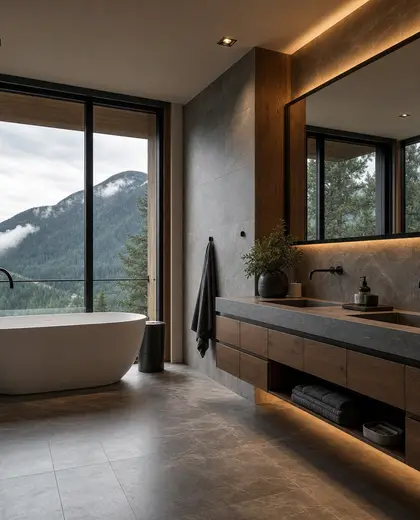
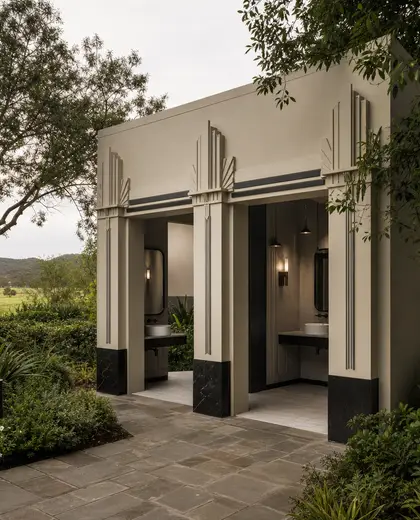
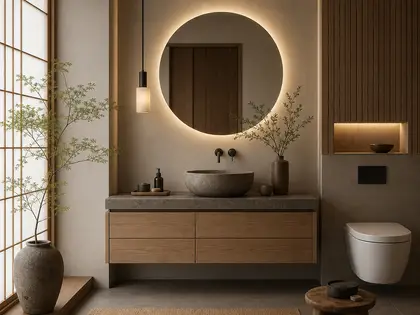
A rest room composition is typically defined by calm, low-contrast finishes and durable, easy-clean surfaces. It often uses neutral tiles, painted plaster, natural stone or wood accents, and discreet built-in storage to keep the room uncluttered. The look is shaped by simple fixtures, soft lighting, and a restrained palette that supports comfort and privacy.
- rest room
— References
References to explore
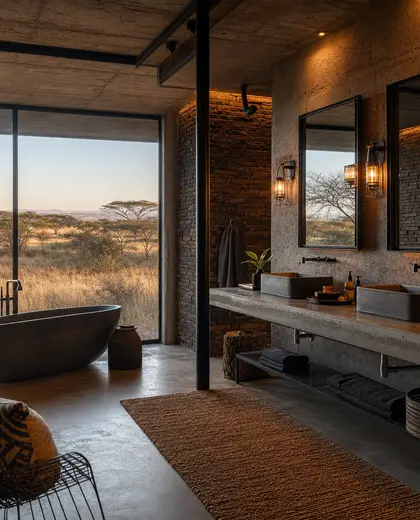
What makes a rest room different from a standard bathroom?
In design terms, a rest room usually refers to a more compact, guest-oriented or public-facing washroom composition with a simple layout and limited fixtures. It focuses on practicality, cleanliness, and a calm visual impression.
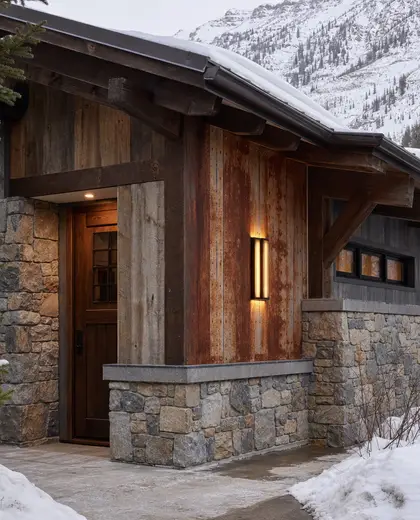
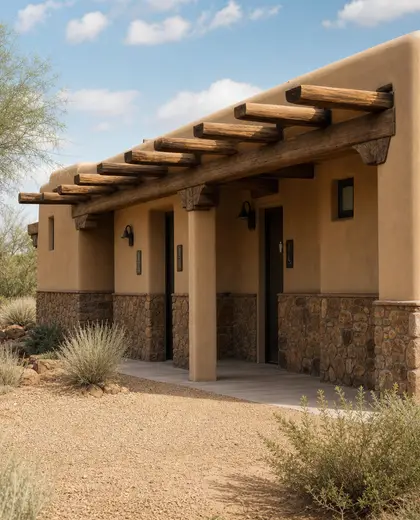

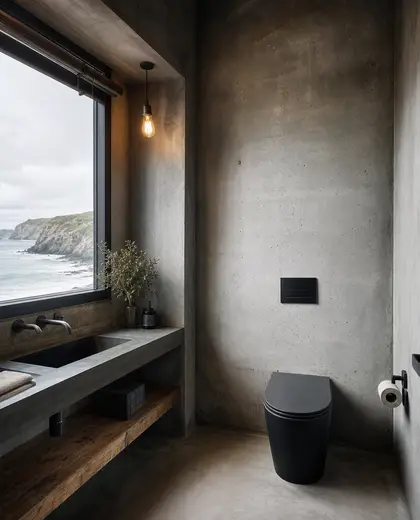
Which materials work best for a rest room?
Moisture-resistant and easy-maintenance materials work best, such as porcelain tile, sealed paint, stone-look surfaces, and metal or laminate cabinetry. If wood is used, it should be well sealed and kept away from direct splash zones when possible.
Can a rest room feel warm instead of sterile?
Yes. Warmth usually comes from the palette and detailing: softer whites, beige or greige tones, wood accents, textured tile, and lighting with a warmer color temperature can make the room feel less clinical.
— The style
What defines it
Common materials include ceramic or porcelain tile, painted drywall or plaster, sealed wood, compact laminate, glass, and brushed metal fixtures.
Most rest rooms use whites, warm grays, beige, taupe, or muted earth tones, sometimes with darker accents for contrast and definition.
This composition pairs well with minimal, contemporary, Scandinavian, or spa-inspired interiors, and with natural textures like wood, stone, and linen.
— Professionals
Who has already built it
- john allegrettiarchitects · 6 projectsView profile →
- pfuner designinterior designers · 11 projectsView profile →
- Karavaan Homefurniture sellers · High Point · 4 projectsView profile →
- jacob galleslandscape designers · 6 projectsView profile →
— Questions
Frequently asked questions
What makes a rest room different from a standard bathroom?
In design terms, a rest room usually refers to a more compact, guest-oriented or public-facing washroom composition with a simple layout and limited fixtures. It focuses on practicality, cleanliness, and a calm visual impression.
Which materials work best for a rest room?
Moisture-resistant and easy-maintenance materials work best, such as porcelain tile, sealed paint, stone-look surfaces, and metal or laminate cabinetry. If wood is used, it should be well sealed and kept away from direct splash zones when possible.
Can a rest room feel warm instead of sterile?
Yes. Warmth usually comes from the palette and detailing: softer whites, beige or greige tones, wood accents, textured tile, and lighting with a warmer color temperature can make the room feel less clinical.